
Congressional probe promised answers on Epstein. A year later, frustrations are mounting
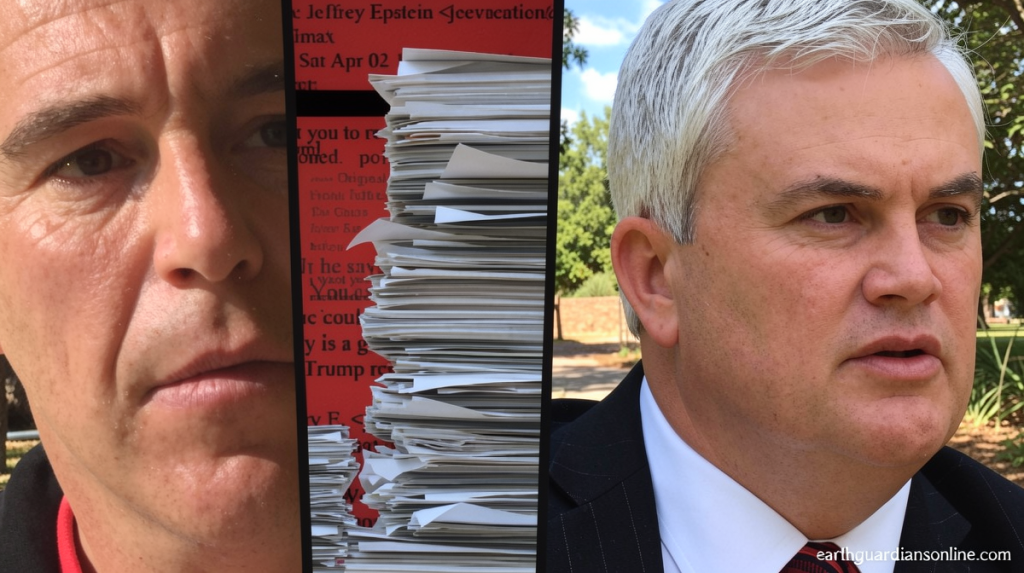
Epstein Investigation Faces Growing Scrutiny as Year-End Deadline Approaches
Earthguardiansonline.com – When Congress initiated its comprehensive examination of Jeffrey Epstein’s network last summer, the mission carried substantial expectations. Lawmakers pledged to uncover systemic failures in federal investigations spanning decades, demand complete disclosure of classified documents, and deliver a thorough public explanation of how the convicted sex offender avoided meaningful consequences for years. Twelve months into the inquiry, however, the investigation has generated more questions than definitive answers, leaving both survivors and legislators increasingly dissatisfied with the trajectory of proceedings.
The congressional probe has maintained media attention through a steady stream of high-profile testimonies, yet these appearances have fallen short of delivering the transformative revelations anticipated by many observers. Rather than dramatic disclosures, the investigation has been characterized by private sessions where numerous witnesses have either denied awareness of Epstein’s activities or claimed insufficient memory regarding crucial events. Compounding these concerns, Epstein survivors have publicly accused a former assistant of providing false testimony to the committee about information she possessed or observed.
Comer Defends Voluntary Interview Approach
The disconnect between public expectations and actual outcomes has emerged as the defining challenge facing House Oversight Committee Chairman James Comer’s investigation. The Kentucky Republican acknowledged the mounting pressure to deliver meaningful results before the current Congress concludes its term.
“I feel more pressure to achieve something than not do something,” Comer stated during a recent interview.
Comer expressed strong confidence that the Justice Department will ultimately be compelled to restart its Epstein investigation once his committee delivers a comprehensive set of recommendations to federal prosecutors later this year. Nevertheless, conversations with numerous lawmakers and insiders reveal a considerably more intricate reality than Comer’s public statements suggest.
As the Trump administration encourages Americans to look beyond the Epstein saga and federal prosecutors maintain their position that insufficient evidence exists for additional charges, dissatisfaction is intensifying across party lines. While Democratic committee members have been vocal critics, Republican colleagues are increasingly expressing unease about the investigation’s accomplishments.
Witness Testimony Drawbacks Highlighted
A significant point of contention involves the voluntary nature of many witness appearances. Numerous individuals have been permitted to testify without formal subpoenas, and some have even avoided appearing on camera entirely. Critics argue this arrangement has provided convenient escape routes for those most closely connected to Epstein, particularly wealthy individuals who typically arrive with substantial legal representation.
“How many people do you have to hear, ‘I do not recall.’ And you know, it’s just a load of bullsh*t,” Republican Representative Nancy Mace told CNN in a candid assessment. “It’s just like, just tell the truth, and they couldn’t do it. Most of them, many of them.”
Mace has distinguished herself as one of the few Republican Oversight Committee members to consistently challenge the investigation’s direction. She was among only four GOP representatives who successfully compelled a vote regarding the release of Epstein-related documents last year. Of those four, only Colorado Representative Lauren Boebert is seeking reelection to Congress.
Partisan Perspectives on Investigation Progress
Republican Representative Rich McCormick of Georgia offered a straightforward assessment when questioned about new information emerging from closed-door sessions. “I haven’t,” McCormick responded when asked whether he had learned anything novel from the panel’s private interviews, though he acknowledged uncertainty about alternative methods for extracting greater transparency.
Democratic members have signaled their intention to utilize subpoenas more aggressively should they gain control of the House in upcoming elections. Committee Ranking Member Robert Garcia identified interviews with President Trump and First Lady Melania Trump as priorities for the next Congress. He emphasized that Republicans established the precedent for such formal depositions when they questioned Bill and Hillary Clinton in February.
“It has been really jaw-dropping to see how the men who have come before us, and in some cases the women who have come before us, continue to lie so brazenly,” said Representative Yassamin Ansari of Arizona. “I think it demonstrates that they are very much accustomed to the fact that they have gotten away with this.”
Addressing criticism of his voluntary interview strategy, Comer explained that mandatory subpoenas would significantly extend the timeline. “These people can fight these subpoenas for months and months and months and months and run out the clock,” he noted. “If they will come in voluntarily, then that saves a lot of time. And we’re on a time clock because this Congress expires and it’s rapidly approaching.”
Hidden Moments in Plain Sight
Representative Melanie Stansbury identified particularly revealing aspects of the investigation involving off-the-record consultations. “Generally the witness was consulting with their attorney about whether or not to answer questions they did or did not want to answer,” she explained. “But because that wasn’t on tape, the public doesn’t see that. You don’t even see the gaps in the written record. But that would happen pretty much in every single transcribed interview in almost every hour, with every witness.”
These hidden deliberations have become emblematic of broader concerns about transparency. Democrats have also criticized Republican committee members for declining to examine Trump’s references within the Epstein files, further fueling debates about political motivations influencing the investigation’s scope and direction.
As the investigation enters its final months, the central question remains whether the current approach will yield sufficient evidence to justify renewed federal prosecution or if the window for meaningful action is closing rapidly. The outcome will likely shape not only the Epstein case but also the broader landscape of congressional oversight and accountability mechanisms for years to come.
Related Reading
Frequently Asked Questions
What is Congressional probe promised answers on Epstein?
Congressional probe promised answers on Epstein is the main topic of this guide. The article explains the context, practical details, and next steps readers should understand.
Why does Congressional probe promised answers on Epstein matter?
Congressional probe promised answers on Epstein matters because readers are looking for a useful answer, not just a short summary. Good content should match search intent and help them decide what to do next.
