
Some food prices are rising. See how much the cost of common grocery items has shifted
Some Food Prices Are Rising: What’s Changed in Grocery Costs
Earthguardiansonline.com – Some food prices are rising as American households navigate a shifting grocery landscape. While certain categories have stabilized after the pandemic surge, others continue climbing. Understanding which items are becoming more expensive—and why—can help families plan their budgets more effectively.
Eggs Lead the Recovery
Egg prices have retreated significantly from their 2025 peak, offering one of the clearest signs of stabilization. Avian influenza and rising production costs had previously pushed prices to record highs. Now, improved supply conditions have brought costs back to more manageable levels for consumers.
This recovery demonstrates how quickly certain food categories can respond to changing market conditions. When production ramps up and supply constraints ease, prices can fall rapidly. Such responsiveness provides optimism that other volatile categories may follow similar patterns.
Categories Still Climbing
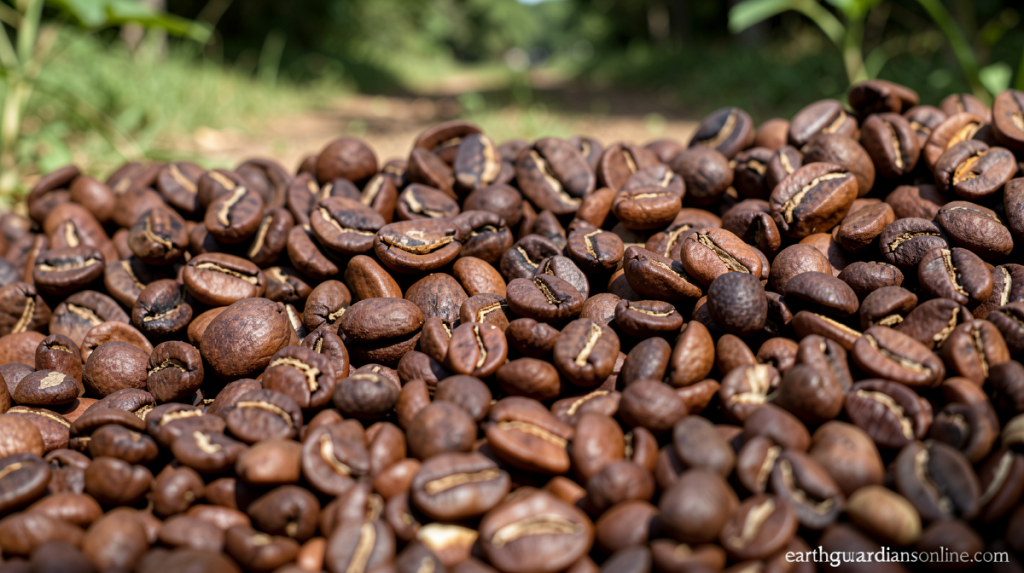
Not every grocery item has experienced the same trajectory. Some food prices are rising in categories like steak, ground beef, and coffee. These items face distinct market pressures, including ongoing supply chain challenges and shifting consumer demand patterns.
Coffee prices have been particularly affected by weather disruptions in major producing regions alongside rising transportation expenses. Beef costs reflect both production increases and consumer preferences for premium cuts. These categories may need additional time before reaching price equilibrium.
Tariffs Add Complexity
Government trade policy has introduced another layer of complexity to food pricing. President Donald Trump’s global tariff implementation last year has contributed to higher costs for numerous household items. These tariffs affect imported goods and create ripple effects throughout domestic supply chains.
The impact varies considerably by product category. Some foods face minimal disruption, while others experience more pronounced increases. Understanding these dynamics helps consumers anticipate which categories may see continued pressure in coming months.
Tracking the Trends
Government economists maintain detailed records of inflation specifically for foods purchased for home consumption. This specialized measure represents a subset of the broader Consumer Price Index and provides a more targeted view of what families experience at the grocery store.
The data reveals that food inflation has declined substantially from its pandemic peak. Current rates align more closely with historical averages, suggesting the market has adjusted to new conditions. This alignment indicates prices have found a new baseline rather than continuing previous trajectories.
What Consumers Should Know
Stabilization does not mean prices have stopped changing entirely. Rather, it indicates that the rate of increase has slowed and become more predictable. Consumers can now plan budgets with greater confidence, knowing dramatic month-to-month swings are less likely.
Some products will continue experiencing volatility due to seasonal factors, weather events, and global market conditions. However, the overall direction points toward greater predictability. This stability allows households to make more informed purchasing decisions.
Frequently Asked Questions
Which food categories are seeing the biggest price increases?
Steak, ground beef, and coffee continue climbing despite broader stabilization. These categories face unique supply chain challenges and shifting consumer demand patterns that keep prices moving upward.
Why have egg prices dropped after 2025?
Egg prices retreated from their 2025 peak as avian influenza outbreaks subsided and production costs normalized. Improved supply conditions have brought costs back to more manageable levels for consumers.
How do tariffs affect my grocery bill?
Tariffs on imported goods create ripple effects throughout domestic supply chains. The impact varies by product, with some foods experiencing minimal disruption while others see more pronounced price increases.
When can I expect prices to stabilize further?
Current data suggests food inflation has declined substantially from its peak. Categories like coffee and beef may require additional time before reaching equilibrium with historical norms.
