
FIFA boss Gianni Infantino’s apology doesn’t quell Europe’s boycott plans as reckoning looms
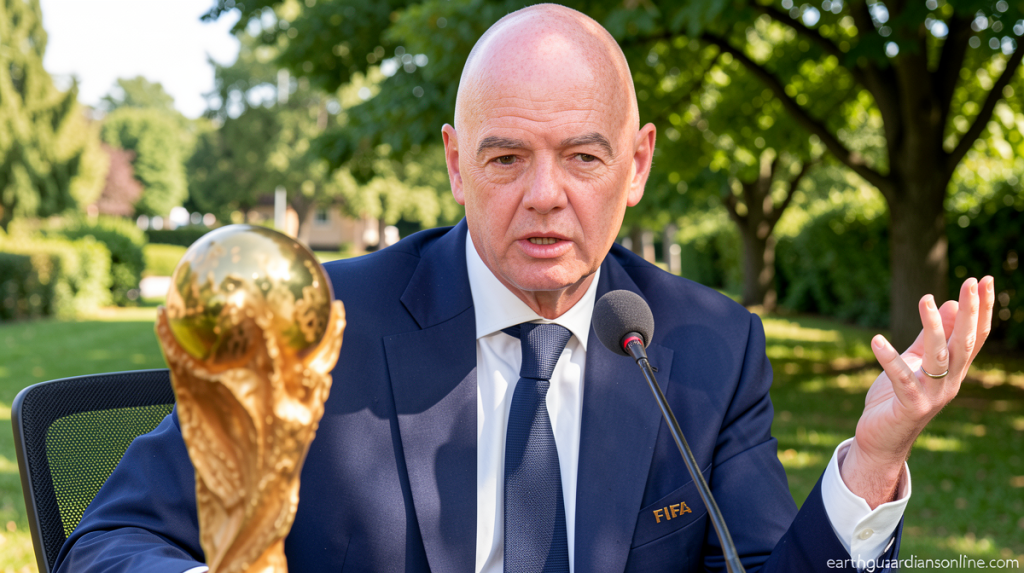
Europe’s Boycott Continues Despite Infantino’s Apology
Earthguardiansonline.com – The European football community remains unmoved by FIFA boss Gianni Infantino s apology, with plans for a full boycott of world football competitions still on track. The apology, issued on Wednesday following an emergency meeting in Morocco, failed to address the core concerns raised by UEFA and other confederations.
UEFA has made its position clear: the apology does not meet the conditions needed to restore normal relations. The European confederation’s stance carries significant weight, given that its fifty-five member associations include football’s most powerful nations and commercial forces.
The FFE Proposal at the Center of the Crisis
The controversy stems from the FFE proposal, a comprehensive plan to commercialize World Cup rights that many viewed as unprecedented. During the crisis meeting in Rabat, FIFA acknowledged that errors occurred in how this proposal was presented to member associations.
The apology recognized that the manner in which the FFE plan was introduced fell short of proper protocol. However, acknowledgment of procedural missteps has not been enough to satisfy those calling for leadership change.
UEFA’s associations were very clear about the conditions attached to the non-participation in FIFA competitions. First, the proposals to sell off the major competitions had to be withdrawn and secondly, assurances have to be made that such attempts to disfigure the game in this way will never be made again.
While the FFE proposal has been formally withdrawn, UEFA maintains that its concerns extend beyond this single issue. The confederation’s statement emphasizes that the underlying problem involves a broader pattern of decision-making.
Practical Consequences of the Boycott
The European confederation’s boycott represents more than a symbolic gesture. It carries practical consequences for FIFA’s calendar and commercial arrangements. Perhaps most significantly, Poland—UEFA’s host nation for the Under-20 Women’s World Cup beginning September 5—remains committed to the boycott.
UEFA made it abundantly clear in its statement on Saturday that it has lost confidence in Gianni Infantino’s presidency. That position holds.
The boycott’s implications extend beyond immediate competitions. UEFA’s stance signals to other confederations that the crisis is not merely procedural but reflects deeper concerns about governance.
Player and Continental Responses
The criticism has not been limited to confederation leaders. FIFPRO, the organization representing professional players worldwide, has joined the chorus calling for meaningful reform. The players’ body characterized the FFE proposal as a profound abuse of presidential power.
The withdrawal of FFE prevented an irreversible decision. It did not restore the confidence that made such a proposal possible in the first place.
CONMEBOL, South America’s football governing body, has taken a more measured approach. While welcoming the withdrawal of the controversial plan, the South American confederation declined to support an extraordinary congress vote on Infantino’s future.
What Lies Ahead
The path forward for the FIFA president remains uncertain. Any candidate wishing to challenge Infantino in the upcoming election must submit their application before November 18. Given the mounting pressure, it is unclear whether Infantino will even reach that date without facing additional demands for his resignation.
Frequently Asked Questions
Why is UEFA boycotting FIFA competitions?
UEFA is boycotting FIFA competitions because it lost confidence in Gianni Infantino’s presidency following the controversial FFE proposal. The European confederation demanded that the proposal be withdrawn and that assurances be given against similar attempts in the future.
What is the FFE proposal?
The FFE proposal was a comprehensive plan to commercialize and operationalize World Cup rights in ways that many within the football community viewed as unprecedented and potentially damaging to the sport’s governance structure.
When is the deadline for Infantino’s potential challenger?
Any candidate wishing to challenge the FIFA president in the upcoming election must submit their application before November 18, 2026.
How is Poland affected by the boycott?
Poland, UEFA’s host nation for the Under-20 Women’s World Cup beginning September 5, remains committed to the boycott, creating uncertainty about whether FIFA will need to secure an alternative venue at short notice.
