Judge dismisses Nevada case against ‘fake electors’ accused of forging certificate in 2020 election

Earthguardiansonline.com –
Judge Dismisses Nevada Case Against Fake Electors Over Intent
Earthguardiansonline.com – A Nevada judge has dismissed the case against six Republicans accused of forging a certificate during the 2020 election, ruling that prosecutors did not prove fraudulent intent. The decision by Judge Mary Kay Holthus concludes a lengthy legal battle that began when the defendants submitted an alternate electoral certificate proclaiming Donald Trump as Nevada’s winner. This outcome adds to a growing trend of similar cases being dropped or dismissed across several swing states. Prosecutors had charged the group with forgery and offering a false instrument for filing, but Holthus found the evidence insufficient to establish criminal intent beyond a reasonable doubt.
Background of the Charges
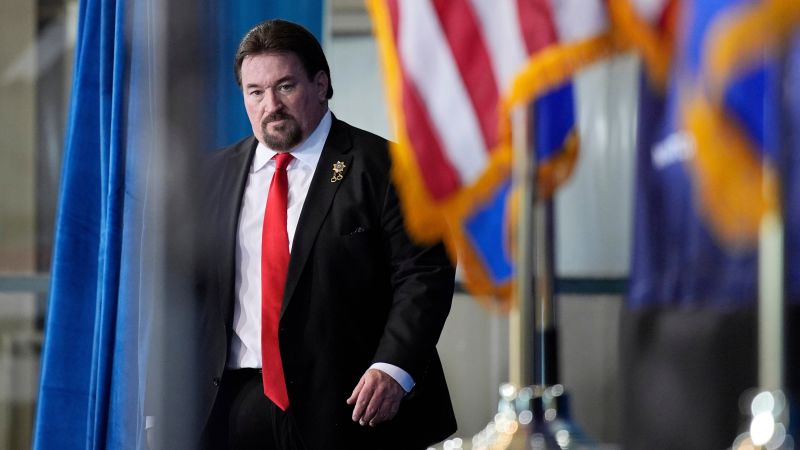
Nevada Attorney General Aaron Ford launched the prosecution against the six Republicans, including Michael McDonald, the current Nevada Republican Party chair, and Jesse Law, former Clark County Republican Party chair. The charges stemmed from an event in January 2021 when the electors gathered outside the Nevada Legislature to present their certificate. Ford, who is now running for governor as a Democrat, has stated that his office plans to appeal the dismissal. The defendants declined to comment when questioned by reporters on Thursday following the ruling.
What Happened on January 6, 2021
After the 2020 presidential election, six Republican electors assembled to execute a certificate awarding Nevada’s six electoral votes to Trump. This occurred even though Joe Biden had won the state by more than 30,000 votes. The ceremony was broadcast online, and the video later became key evidence in the criminal case. Prosecutors argued the defendants intended for their certificate to be confused with legitimate electoral votes that Vice President Mike Pence would count on January 6, 2021. The defendants countered that their actions were political theater meant to draw attention to their concerns about the election outcome.
The Court’s Reasoning
Judge Holthus found the defendants’ explanation compelling in her written ruling. She noted that the electors openly announced both their actions and their purpose rather than concealing their conduct.
The fact that Defendants openly announced both their actions and their asserted purpose, rather than concealing their conduct or attempting to secretly induce governmental reliance, weighs against a reasonable inference that they acted with fraudulent intent.
The judge also pointed out that prosecutors failed to present crucial exculpatory evidence to the grand jury, which further weakened the case.
Jurisdiction and Legal Complications
The case faced jurisdictional questions before being resolved in Clark County, the Las Vegas area known for its Democratic leanings. Similar dismissals have occurred in Michigan and Georgia courts. A federal case in Washington, D.C., also concluded in late 2024 after Trump defeated Kamala Harris in the 2024 presidential race. Meanwhile, a special prosecutor’s investigation into Trump’s efforts to overturn the 2020 results ended following that victory. Arizona Attorney General Kris Mayes recently announced plans to revive her criminal case through a grand jury after losing an appeal in June. A fake elector prosecution remains active in Wisconsin, making it the last remaining case of its kind nationwide.
What This Means for Future Cases
The Nevada dismissal highlights the challenges prosecutors face when attempting to prove criminal intent in cases where defendants can plausibly claim their actions were public and transparent. Legal experts suggest that prosecutors must be more meticulous in presenting all relevant information during grand jury proceedings to avoid similar dismissals. For Nevada Republicans, the ruling provides relief from what could have been a lengthy legal battle. For Democrats seeking to establish precedent, the decision underscores the need to strengthen arguments regarding fraudulent intent in future prosecutions. The failure to disclose exculpatory evidence represents another procedural concern that may influence how similar cases are structured going forward.
Frequently Asked Questions
Who were the six fake electors in Nevada? The six Republicans included Michael McDonald, chair of the Nevada Republican Party, and Jesse Law, former chair of the Clark County Republican Party, along with four other party members who submitted an alternate electoral certificate in January 2021.
What charges were filed against them? Nevada Attorney General Aaron Ford charged the defendants with forgery and offering a false instrument for filing or record, alleging they submitted a fraudulent certificate that incorrectly proclaimed Trump as the state’s winner.
Why was the case dismissed? Judge Mary Kay Holthus dismissed the case because prosecutors failed to demonstrate fraudulent intent and neglected to present crucial exculpatory evidence to the grand jury during the initial proceedings.
Will the case be appealed? Yes, Nevada Attorney General Aaron Ford’s office has indicated it intends to appeal the ruling to a higher court.
How does this compare to other fake elector cases? Similar dismissals have occurred in Michigan and Georgia. Arizona is attempting to revive its case through a grand jury, while Wisconsin remains the only state with an active fake elector prosecution as of this ruling.