No one seems to be able to tell Trump ‘no’ — and it’s a huge problem for the GOP

No One Seems to Be Able to Tell Trump No — GOP Faces Crisis
Earthguardiansonline.com – No one seems to be able to tell President Donald Trump no, and this dynamic is becoming a significant political liability for the Republican Party. With the 2026 midterm elections approaching in less than three months, GOP leaders are navigating a challenging landscape. Rather than concentrating on policies that could energize their base, many observers note the administration is intensifying initiatives that may alienate moderate voters. Two recent developments underscore this pattern: Trump’s Supreme Court appeal concerning his controversial ballroom construction, and a fresh attempt to link his name with the Kennedy Center. No one seems to be able to stop these cultural institution efforts, even as public opinion turns against them.
A Second Attempt at Kennedy Center Recognition
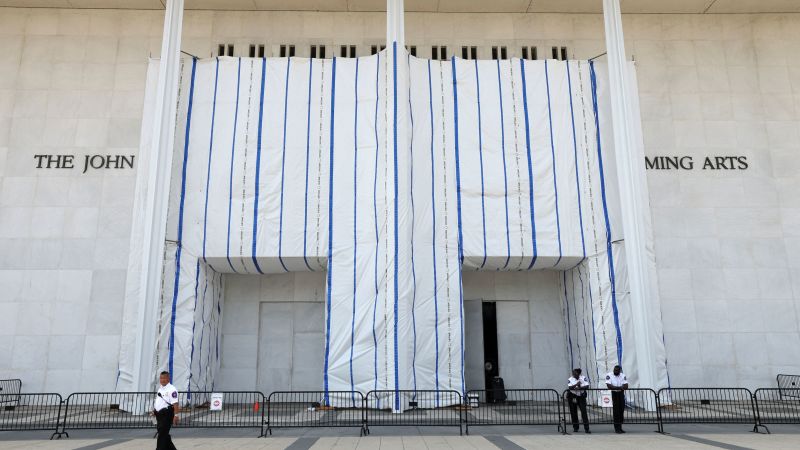
The Kennedy Center controversy has evolved considerably since a federal judge initially blocked the administration’s effort to rename the performing arts venue as the “Trump Kennedy Center.” That ruling mandated the removal of Trump’s name from the building’s exterior. Now, the board—appointed largely by Trump—has proposed an alternative strategy. No one seems to be able to prevent these repeated attempts at recognition.
According to Democratic Representative Joyce Beatty, who serves as an ex-officio trustee and filed the original lawsuit challenging the name change, the board voted Thursday to install an inscription beneath the Kennedy Center’s existing signage. The text would read that the complex was “Restored and Renovated by President Donald J. Trump.” Additionally, the surrounding area would be designated as the “President Donald J. Trump Plaza.”
The board is simultaneously pursuing another renovation closure, following the rejection of their earlier attempt to shut down the center for improvements. [Read more: Trump’s Kennedy Center Move Explained]
Legal Questions Remain
The legal foundation for these changes faces considerable scrutiny. The federal judge who opposed the initial rebranding stated that federal legislation “makes crystal clear” that the center “cannot bear any other formal name or public memorial based on the Board’s unilateral say-so.”
CNN’s Sunlen Serfaty notes that the law allows an “inscription on the marble walls in the north or south galleries, the Hall of States, or the Hall of Nations acknowledging a major contribution.”
While these moves may satisfy legal requirements, political wisdom remains questionable. The administration is attempting to attach the name of a living, sitting president with historically low approval ratings to a prestigious cultural landmark—this time around. No one seems to be able to convince the administration to step back from these controversial initiatives.
Voter Sentiment Points to Trouble
Public opinion data suggests Americans are growing weary of these efforts. A CNN poll conducted last month revealed that 59% of respondents believed Trump had “gone too far” in modifying cultural institutions including both the Kennedy Center and the Smithsonian. Notably, this sentiment extends beyond partisan lines, with 32% of Republicans and GOP-leaning independents agreeing that the president has overreached.
Further polling from Pew Research Center in April showed only 9% of Americans considered it appropriate to name government buildings after Trump while he remains in office. This represents an exceptionally rare practice for an incumbent president. Approximately eight times more respondents either opposed naming buildings after Trump entirely (50%) or supported it only after his presidency concludes (21%). Among Republicans specifically, just 17% found it acceptable to place Trump’s name on government facilities during his current term.
The Bigger Picture for Republicans
Some might argue that voters simply do not prioritize cultural institutions or building names. Perhaps the Kennedy Center holds less significance for certain demographics than it does for politically engaged readers. Or maybe people view these efforts as temporary—believing Trump’s name would eventually be removed once he leaves office.
However, these actions risk cementing a damaging narrative for both Trump and the Republican Party: that the president remains excessively self-focused while neglecting matters voters consider essential. CBS News polling indicates that nearly eight out of ten Americans believe the Trump administration has devoted insufficient attention to reducing prices. The previously mentioned CNN poll found that 73% of respondents felt Trump “hasn’t paid enough attention to the country’s most important problems”—a figure that has climbed approximately 20 points throughout his second term.
As the election approaches, Republicans may find themselves defending initiatives that seem disconnected from everyday concerns. The question remains whether voters will view these cultural institution efforts as harmless tributes or as evidence of misplaced priorities at a critical moment for the party. No one seems to be able to tell Trump no, and that could cost Republicans dearly.
Frequently Asked Questions
What is the Kennedy Center inscription proposal?
The Kennedy Center board has proposed installing an inscription beneath the existing signage stating the complex was “Restored and Renovated by President Donald J. Trump.” The surrounding area would also be designated as the “President Donald J. Trump Plaza.” This approach follows a federal judge’s rejection of the administration’s attempt to officially rename the venue.
Why is no one able to stop Trump’s cultural initiatives?
No one seems to be able to halt these efforts because the board controlling the Kennedy Center was appointed largely by Trump. Additionally, the administration is pursuing legal workarounds that satisfy statutory requirements while achieving similar goals. Political opposition has been limited, and the administration continues to push forward despite public skepticism.
How do Republicans feel about naming buildings after Trump?
Only 17% of Republicans find it acceptable to place Trump’s name on government facilities during his current term. This contrasts sharply with the 50% of all Americans who oppose naming buildings after Trump entirely. The data suggests that even within the GOP, there is limited enthusiasm for these initiatives.
What are the midterm implications for the GOP?
With less than three months until the 2026 midterms, Republicans face the challenge of defending initiatives that many voters view as excessive. The CNN poll showing 59% of respondents believe Trump has “gone too far” indicates potential vulnerability, particularly among moderate and independent voters who may prioritize economic concerns over cultural tributes.