
How to Create a Nature Garden: A Step-by-Step Guide
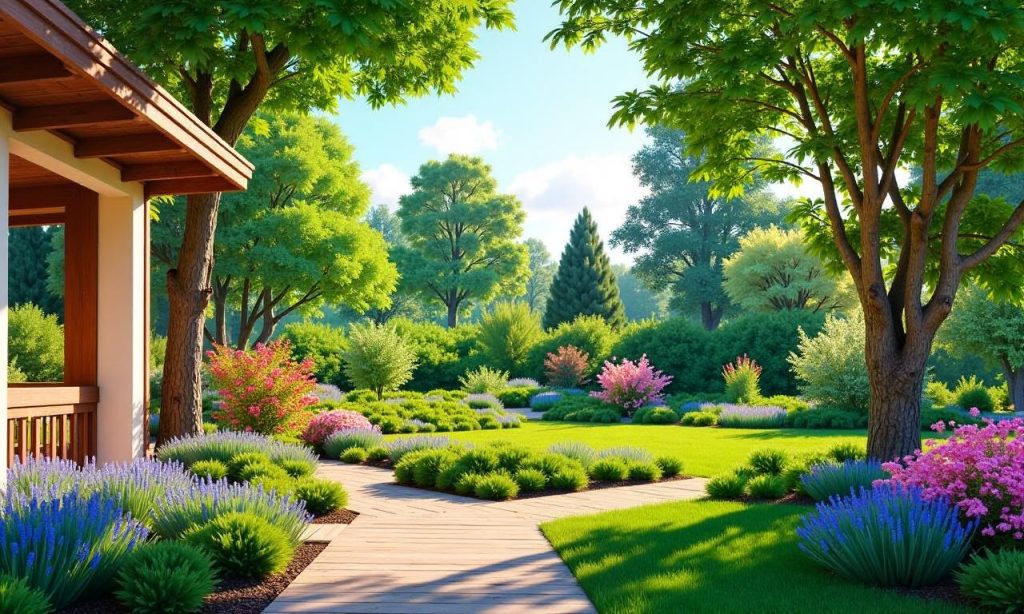
Creating a nature garden is more than just planting flowers and shrubs—it’s about designing a space that mimics the beauty and harmony of the natural world. Whether you have a sprawling backyard or a small balcony, a nature garden can bring tranquility, biodiversity, and a connection to the earth into your daily life. This guide will walk you through the how to create a nature garden process, from planning to maintenance, ensuring you have all the tools and knowledge to transform your outdoor space into a thriving ecosystem.
Section 1: Understanding the Concept of a Nature Garden
A nature garden is an area of land designed to replicate natural environments, often incorporating native plants, natural materials, and minimal human intervention. Unlike traditional gardens that prioritize aesthetics over ecological balance, a nature garden focuses on creating a self-sustaining habitat that supports local wildlife, promotes biodiversity, and provides a serene atmosphere for relaxation.
What Makes a Nature Garden Unique
The key to a successful nature garden lies in its ecological design. This means selecting plants that are indigenous to your region, using organic materials like untreated wood or stone, and allowing the garden to evolve naturally over time. A nature garden is not about perfection—it’s about harmony with nature, which can result in a more resilient and low-maintenance space.
Benefits of a Nature Garden
Beyond its visual appeal, a nature garden offers numerous benefits. It can improve air quality by absorbing carbon dioxide and releasing oxygen, reduce stress through exposure to greenery, and provide a habitat for birds, insects, and small animals. Additionally, these gardens require less water and chemical inputs, making them sustainable and environmentally friendly.
When to Start Your Nature Garden
The best time to begin your how to create a nature garden journey is when you’re ready to invest time and effort into nurturing a living space. While spring is a popular season for planting, you can start at any time of the year by planning the layout, sourcing materials, and preparing the soil.
Section 2: Planning Your Nature Garden
Before you lay a single seed, it’s essential to plan your nature garden thoroughly. This step ensures that your garden aligns with your goals and the natural conditions of your environment.
Assessing Your Space
The first bold step in how to create a nature garden is to evaluate your available space. Consider factors like sunlight exposure, soil type, and drainage. For example, if your yard receives limited sunlight, opt for shade-loving plants like ferns or moss. Italic text can emphasize how soil quality directly impacts plant health.
Choosing the Right Location
Location plays a critical role in the success of your nature garden. Ideally, select an area that allows for natural flow and easy access to water sources. If you have a sloped yard, consider creating a terraced layout to prevent erosion and enhance visual appeal.
Ask yourself: What do you want to achieve with your nature garden? Do you want it to serve as a wildlife sanctuary, a place for meditation, or a mix of both? Italic text here highlights the importance of purpose-driven design, which will guide your choices in plants and features.
Researching Native Plants
Native plants are the cornerstone of a nature garden. They are adapted to local climate conditions, require less maintenance, and provide food and shelter for native wildlife. Research which plants thrive in your area to ensure your garden is ecologically sustainable.
Section 3: Designing Your Nature Garden
Once your plan is in place, it’s time to design your nature garden. This stage involves creating a layout that balances functionality, beauty, and ecological needs.
Creating a Natural Layout
Design your nature garden to mimic the randomness of a wild landscape. Avoid rigid rows of plants; instead, arrange them in clusters or drifts to reflect natural growth patterns. Italic text can describe how cluster planting enhances visual interest and supports pollinators.
Zoning Your Garden
Divide your nature garden into distinct zones based on plant types, water features, and human activity. For example, create a wildflower meadow in an open area for butterflies and bees, while design a shaded corner with ferns and ground covers for a peaceful retreat. Bold text here emphasizes the importance of zoning for optimal functionality.
Incorporating Natural Elements
Add elements like stone pathways, wooden benches, or a small watering pond to enhance the natural feel of your garden. These features not only improve aesthetics but also create microhabitats for beneficial organisms. Italic text can explain how water features attract birds and amphibians, enriching biodiversity.
Selecting the Right Plants
Choose a mix of plants that offer different textures, colors, and heights. Include a variety of perennials, shrubs, and wildflowers to create a layered look. Bold text here underscores the need for plant diversity, which is vital for a healthy ecosystem.
Section 4: Building Your Nature Garden
With your design finalized, it’s time to build your nature garden. This involves preparing the soil, planting, and adding finishing touches to complete the space.
Preparing the Soil
Healthy soil is the foundation of any nature garden. Test the soil’s pH and nutrient levels, then amend it with compost or organic matter to improve fertility. Italic text can stress how soil preparation ensures strong root development and plant vitality.
Planting Your Garden
Follow a planting schedule that aligns with seasonal changes. Start by planting hardy species that can establish themselves quickly, then gradually introduce more delicate plants. Bold text here highlights the importance of planting timing, which affects growth rates and survival.
Adding Natural Decorations
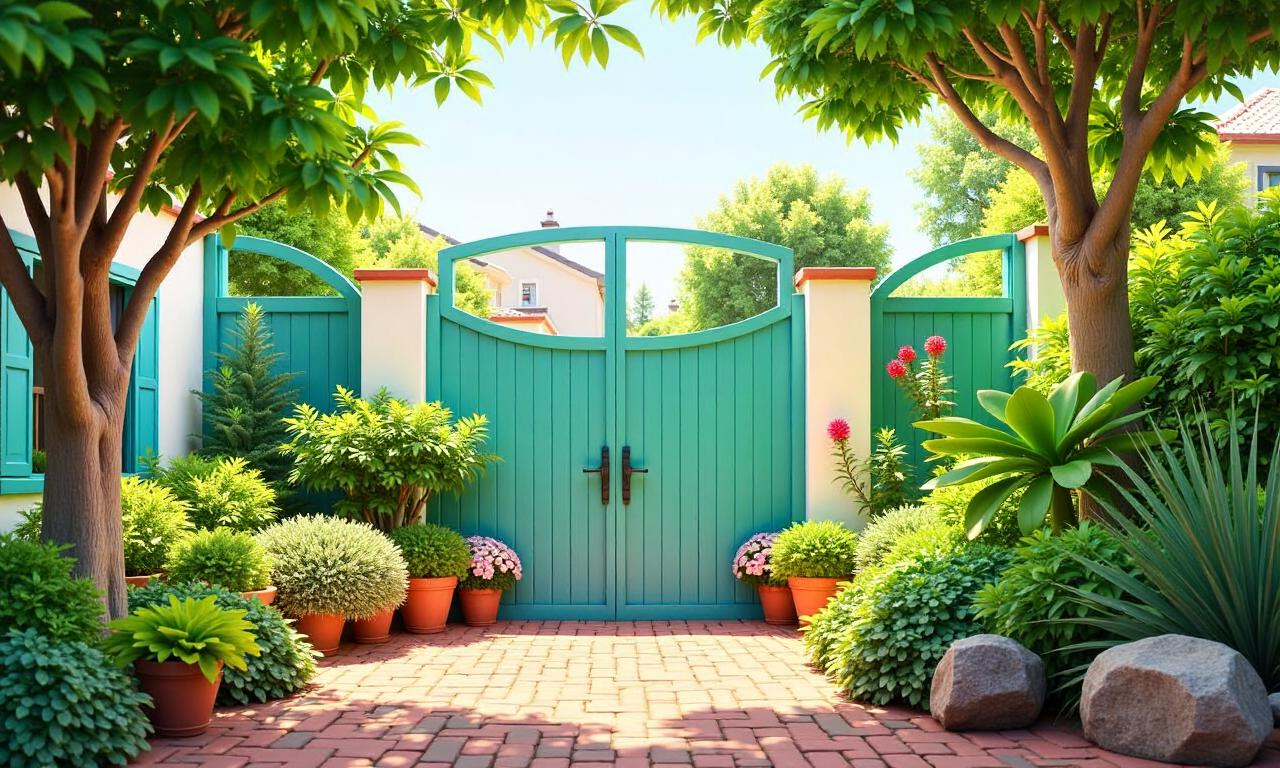
Incorporate elements like wooden sculptures, rock formations, or wildlife-friendly structures to give your nature garden a unique character. These additions should blend seamlessly with the surroundings, avoiding artificial-looking designs. Italic text can describe how natural decorations complement the garden’s organic feel.
Creating a Wildlife-Friendly Environment
Include features that support local wildlife, such as a bird feeder, insect hotels, or bee-friendly flowers. This not only enhances the garden’s ecological value but also adds a dynamic element to your outdoor space. Bold text here emphasizes the role of wildlife support in a nature garden.
Section 5: Maintaining Your Nature Garden
A nature garden requires regular care to thrive, but the maintenance is usually less intensive than in traditional gardens. Focus on sustainable practices that promote long-term health and beauty.
Watering and Mulching
Water your nature garden according to the needs of each plant, and use mulch to retain soil moisture and suppress weeds. Italic text can explain how mulching reduces the need for frequent watering and prevents soil erosion.
Pruning and Seasonal Care
Prune dead or damaged branches to encourage new growth, and adjust your care routine based on seasonal changes. For example, in winter, protect perennials with a layer of mulch, while in summer, ensure plants have enough shade. Bold text here stresses the importance of seasonal maintenance for plant longevity.
Managing Pests Naturally
Avoid chemical pesticides by using natural pest control methods like companion planting or introducing beneficial insects. Italic text can highlight how natural predators like ladybugs help maintain balance in your garden.
Encouraging Biodiversity
To keep your nature garden thriving, rotate plant species and add new elements periodically. This ensures a continuous supply of food and shelter for wildlife, promoting a dynamic ecosystem. Bold text here reinforces the goal of biodiversity enhancement.
Section 6: Tips for a Successful Nature Garden
To ensure your how to create a nature garden project is both beautiful and functional, follow these practical tips.
Embrace Imperfection
A nature garden is meant to look untamed and organic. Don’t worry about symmetrical designs or perfectly trimmed hedges. Italic text here encourages embracing natural irregularities, which create a more authentic feel.
Use Natural Materials
Opt for untreated wood, stone, or local clay when building structures or paths. These materials blend with the environment and reduce the need for frequent replacements. Bold text emphasizes the importance of natural materials in achieving an eco-friendly design.
Create a Sustainable Water System
Install a rainwater collection system or use a soaker hose to water your plants. This reduces reliance on tap water and supports water conservation in your garden. Italic text can explain how rainwater systems are cost-effective and environmentally friendly.
Invite Wildlife to Your Garden
Plant wildflower patches, nectar-rich shrubs, and bug-friendly herbs to attract pollinators and small creatures. This not only enriches the garden’s ecosystem but also adds interactive elements for visitors to enjoy. Bold text here underscores the role of wildlife integration in a nature garden.
Section 7: Common Mistakes to Avoid
Even the most enthusiastic gardeners can make errors when starting a nature garden. Avoid these common mistakes to ensure your project succeeds.
Over-Planting in One Area
Spacing plants too closely can lead to overcrowding, reducing air circulation and increasing the risk of disease. Italic text here warns against over-planting, which disrupts the natural balance of the garden.
Using Artificial Fertilizers
While artificial fertilizers can boost plant growth, they often harm beneficial soil microbes. Stick to organic fertilizers or compost to maintain soil health and support a thriving ecosystem. Bold text highlights the negative impact of chemical inputs on natural habitats.
Neglecting Soil Health
Healthy soil is crucial for plant growth. Regularly add compost and avoid compaction by using raised beds or mulch layers. Italic text can stress how soil neglect can lead to poor plant performance.
Ignoring Drainage Issues
Poor drainage can cause root rot and weaken plants. Ensure your soil preparation includes proper drainage, and avoid planting in low-lying areas prone to waterlogging. Bold text here emphasizes the importance of drainage planning.
Conclusion
Creating a nature garden is a rewarding process that combines ecological awareness with creative design. By following the how to create a nature garden steps outlined in this guide—planning, designing, building, and maintaining—you can cultivate a space that supports biodiversity, reduces environmental impact, and brings natural beauty into your home. Remember, a nature garden is not about perfection, but about fostering a harmonious environment that thrives with minimal intervention. Whether you’re a seasoned gardener or a beginner, this approach will help you build a sustainable and eco-friendly garden that delights both you and the natural world around you.
