
Explore Hidden Nature Reserves: A Traveler’s Guide to Serene Adventures
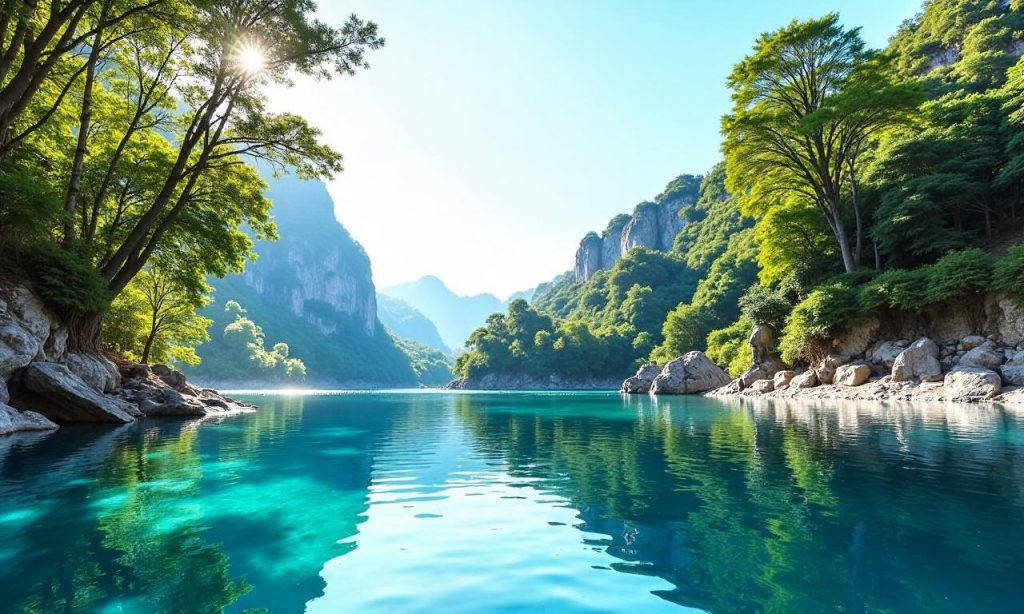
Paragraf pembuka artikel. Nature reserves are more than just places to see trees and wildlife—they are gateways to tranquility, untouched beauty, and a deeper connection with the Earth. In an age where city life and digital distractions dominate our daily routines, travel to nature reserves offers a refreshing escape to serene landscapes that whisper stories of ancient ecosystems. While popular national parks draw crowds, hidden nature reserves remain relatively unknown, making them perfect for travelers seeking solitude and authenticity. Whether you’re an avid hiker, a photography enthusiast, or simply someone looking to unwind in a natural setting, these lesser-known destinations promise unforgettable experiences. This guide will help you discover the best travel to nature reserves, explore their unique features, and learn how to plan an adventure that blends exploration with relaxation.
Why Travel to Nature Reserves?
Nature reserves are often overlooked in favor of more bustling tourist spots, but their quiet charm is unmatched. These protected areas serve as sanctuaries for biodiversity, offering a chance to witness rare species and pristine environments that have remained undisturbed by modern development. For travelers, the appeal lies not just in the natural beauty but in the opportunity to disconnect from the noise of everyday life. Travel to nature reserves allows you to immerse yourself in untouched wilderness, where the air is crisp, the sounds of nature fill your ears, and the pace of life slows down. Unlike crowded cities, these reserves provide a sense of peace and serenity that is hard to find elsewhere.
One of the key reasons to travel to nature reserves is the opportunity to engage with the environment in a meaningful way. Whether it’s hiking through dense forests, kayaking along calm rivers, or simply sitting by a mountain lake, these activities foster a sense of wonder and appreciation for nature. Moreover, many nature reserves are located in remote regions, offering a chance to experience local cultures and traditions that have preserved their natural heritage for generations. For example, some reserves are home to indigenous communities who live in harmony with the land, providing unique insights into sustainable living and ecological stewardship.
Another compelling reason to travel to nature reserves is the chance to contribute to conservation efforts. Many reserves rely on visitor support to fund research, habitat restoration, and wildlife protection programs. By visiting these areas, you become part of a global movement to preserve natural wonders for future generations. Additionally, nature reserves often have designated trails and viewing points that allow for safe exploration without disrupting the local ecosystem. This balance between adventure and preservation makes them ideal for eco-conscious travelers.
How to Choose the Right Nature Reserve for Your Journey
Selecting the perfect nature reserve depends on your interests, travel goals, and the type of experience you’re seeking. Start by researching the biodiversity of the reserve—some are home to endangered species, while others offer unique geological formations or seasonal landscapes. For instance, if you’re fascinated by birdwatching, look for reserves known for migratory birds or rare avian species. Similarly, if you enjoy photography, prioritize reserves with dramatic vistas, sunrises over mountain ranges, or hidden waterfalls that create stunning backdrops.
Consider the accessibility of the reserve as well. While some nature reserves are remote and require a multi-day trek, others are within reach of major cities and can be visited in a day or two. This factor determines how much time you can dedicate to exploring the area. For example, a reserve near a coastal town might offer short walks along the beach, while a mountain reserve might require a more extended stay to fully appreciate its remote beauty. Researching the best travel to nature reserves that align with your travel style ensures you’ll have an enjoyable and fulfilling trip.
Seasonal factors also play a role in choosing the right reserve. Some areas are best visited during the spring for blooming wildflowers or in the fall for vibrant foliage. Others may have optimal conditions for hiking during the summer months or offer winter sports like skiing in the colder season. Checking the best times to visit can help you maximize your experience. For instance, visiting a tropical reserve during the rainy season might mean witnessing lush greenery and waterfalls, while a desert reserve might be more scenic during the dry season.
Top Hidden Nature Reserves Around the World
There are countless nature reserves waiting to be discovered, each with its own unique charm and natural wonders. One such destination is The Mawana Wildlife Sanctuary in India, a lesser-known gem located in the dense forests of the Western Ghats. This reserve is home to tigers, leopards, and a rich variety of flora and fauna, offering an adventurous yet serene escape for travel to nature reserves enthusiasts. The sanctuary’s remote location ensures that visitors can experience the wild without the usual crowds, making it a perfect spot for those who want to connect with nature in a meaningful way.
In the heart of South America, Manu National Park in Peru is another hidden treasure that beckons adventurous travelers. This UNESCO World Heritage Site is one of the most biodiverse places on Earth, with over 1,000 species of birds, 100 species of mammals, and 127 species of reptiles. While Manu National Park is well-known, its remote access and challenging terrain mean that it remains a quiet refuge for those willing to travel to nature reserves with a sense of purpose. The park’s network of trails and lodges allows for immersive exploration, from guided jungle treks to night safaris where you can spot nocturnal creatures in their natural habitat.
For a more coastal experience, Heron Island in Australia is an excellent choice. This small coral island, accessible only by boat, is a protected marine reserve teeming with marine life, including sea turtles, dolphins, and vibrant coral reefs. Travel to nature reserves like Heron Island offers a chance to snorkel or dive in crystal-clear waters, surrounded by biodiversity that thrives in the ocean’s embrace. The island’s remote location and limited visitor numbers ensure a peaceful atmosphere, ideal for those seeking a tranquil escape from the hustle of daily life.
Tips for a Successful Adventure in Nature Reserves
To make the most of your travel to nature reserves experience, preparation is key. Start by researching the reserve’s guidelines and regulations, such as permitted trails, wildlife viewing etiquette, and conservation practices. Many reserves have strict rules to protect their ecosystems, so familiarizing yourself with these beforehand ensures you can enjoy the environment responsibly. For example, some reserves require visitors to stay on designated paths to avoid disturbing animal habitats or to minimize human impact on fragile ecosystems. Pack the essentials for a comfortable and safe journey. Lightweight, moisture-wicking clothing is a must for hiking through dense forests or climbing rocky terrains. A good pair of hiking boots, a reusable water bottle, and a compact first-aid kit can also enhance your experience. Additionally, bring binoculars for birdwatching, a camera to capture the beauty, and a notebook to jot down observations or sketch the landscape. Some reserves offer guided tours, which can be a great way to learn about the local wildlife and history while ensuring a safe and informative experience. Embrace the local culture during your visit to add depth to your journey. Many nature reserves are located near indigenous communities or rural villages where traditions have been passed down for generations. Engaging with local guides or participating in cultural activities can provide a more enriching experience. For instance, some reserves offer cooking classes with traditional recipes, storytelling sessions about local legends, or even opportunities to learn traditional crafts. These interactions not only enhance your adventure but also support the communities that help preserve these natural treasures. Stay mindful of the environment while exploring. Nature reserves are delicate ecosystems that require careful treatment to maintain their beauty. Avoid littering, stay on marked trails, and refrain from feeding animals, as this can disrupt their natural behaviors. Some reserves have eco-lodges or campsites that follow sustainable practices, offering a unique way to experience the wilderness without compromising its integrity. By adopting eco-friendly habits, you ensure that future generations can also enjoy these hidden gems.
How to Prepare for a Nature Reserve Adventure
Before embarking on your travel to nature reserves journey, it’s crucial to plan your trip carefully. Start by checking the weather forecast for the region, as sudden changes can affect your itinerary. For example, a rainy season in a tropical reserve might turn hiking trails into muddy paths, but it could also create a magical atmosphere for photography. Packing appropriately for the climate and terrain will help you stay comfortable and focused on the experience. Research the local wildlife to understand what you might encounter. Some reserves are home to dangerous animals, such as snakes or bears, so knowing how to react can enhance your safety. Carrying a small guidebook or using a mobile app to identify species can also make your trip more educational and enjoyable. For instance, if you’re visiting a forest reserve, learning about the calls of different birds or the behavior of mammals can deepen your connection with the environment. Plan your meals in advance, especially if you’re staying in a remote area. Many nature reserves have limited food options, so bringing a lightweight, non-perishable meal is a practical choice. Some reserves also offer local cuisine, allowing you to taste regional specialties while supporting the community. For example, in a reserve near a rural village, you might have the chance to sample traditional dishes made from locally sourced ingredients.

The Best Time to Visit Nature Reserves
Timing your visit to a nature reserve can significantly impact your experience. Travel to nature reserves during the off-peak season often means fewer crowds and more peaceful exploration. For example, visiting a reserve in the early morning or late afternoon can provide a more intimate encounter with wildlife, as many animals are more active during these times. Additionally, the lighting conditions during these hours can create stunning photography opportunities.
Some reserves are best visited during specific seasons for unique experiences. Manu National Park, for instance, is ideal for birdwatching during the dry season, when the vegetation is less dense and species are more visible. Similarly, Heron Island offers the best snorkeling conditions during the whale-watching season, when humpback whales migrate through the surrounding waters. Understanding the seasonal highlights of a reserve helps you plan your trip to align with the most memorable moments.
Weather patterns also influence the best time to visit. In temperate regions, spring and fall often provide mild temperatures and vibrant landscapes. However, in colder climates, winter might be the best time to explore a reserve’s snow-covered mountains or frozen lakes. For example, Tundra reserves in Alaska or Siberia offer a unique experience during the winter months, where you can witness the quiet beauty of ice-covered rivers and snow-dusted forests.
Packing for a Unique Nature Reserve Experience
Packing the right gear is essential for a successful travel to nature reserves adventure. Start with your basics: a sturdy backpack, a waterproof jacket, and a reusable water bottle. Depending on the reserve’s terrain, you might need hiking poles, a hat for sun protection, or a pair of gloves for cooler climates. For those who enjoy photography, a camera with a good zoom lens and extra batteries will allow you to capture the breathtaking moments of your journey. Include comfort items that can make your trip more enjoyable. A portable phone charger, a lightweight sleeping bag, and a small towel are useful for unexpected situations. Some reserves require overnight stays, so bringing a sleeping mat or tent can be a must. Additionally, consider packing a small journal and pen to document your experiences, as these moments are often unforgettable. The tranquility of a nature reserve is best appreciated when you can reflect on it without distractions. Check for permits and any special requirements before your visit. Many reserves require reservations for entry, especially during peak seasons. Some may also ask for proof of vaccination or a travel insurance document to ensure you’re prepared for any emergencies. Additionally, packing a reusable shopping bag can help you bring back souvenirs or local products, supporting the reserve’s economy. These small preparations ensure a smooth and stress-free travel to nature reserves experience.
Exploring Nature Reserves: Activities and Experiences
Nature reserves offer a wide range of activities tailored to different interests. For the adventurous, hiking through dense forests or climbing rugged cliffs can provide an exhilarating experience. These trails often lead to hidden viewpoints, where you can take in panoramic vistas of the landscape. Some reserves also have designated areas for rock climbing, kayaking, or even canyoning, making them suitable for thrill-seekers.
For those who prefer a more relaxed pace, nature walks and birdwatching are excellent options. These activities allow you to observe the delicate balance of ecosystems and appreciate the quiet beauty of the surroundings. Many reserves have guided tours that provide insights into the local flora and fauna, enhancing your understanding of the environment. Photography enthusiasts can also find plenty of opportunities to capture the unique landscapes, from blooming wildflowers to dramatic sunsets over mountain ranges.
Educational experiences are another highlight of nature reserves. Some reserves have visitor centers with exhibits on local wildlife, conservation efforts, and the region’s ecological history. Participating in guided hikes or wildlife observation sessions can deepen your appreciation for the environment. For example, in a reserve like Kakadu National Park in Australia, you can join a guided tour to learn about the Indigenous culture and its connection to the land. These interactions not only enrich your trip but also foster a greater sense of environmental responsibility.
Embracing the Serenity of Nature Reserves
The true magic of nature reserves lies in their ability to provide a peaceful retreat from the chaos of the outside world. Travel to nature reserves is not just about exploring the environment—it’s about finding a sense of calm and mindfulness. The sound of rustling leaves, the sight of a distant waterfall, or the stillness of a forest clearing can evoke a profound sense of tranquility. These moments are often the most cherished, reminding you of the importance of preserving natural spaces.
To fully embrace the serenity, try to disconnect from technology. Many reserves have designated areas where cell phone signals are weak or nonexistent, encouraging you to be present in the moment. This disconnection allows you to connect with the environment on a deeper level, noticing the subtle details that often go unnoticed in a busy world. Meditation or journaling in a nature reserve can be a transformative experience, helping you reflect on your journey and the world around you.
Serenity is also found in the simplicity of nature. A sunset over a lake, a quiet morning walk through a forest, or simply sitting by a river and watching the flow of water can be deeply calming. Travel to nature reserves gives you the chance to slow down, breathe in fresh air, and reconnect with the Earth. This rejuvenation is not only beneficial for your mental health but also for your overall well-being.
Preserving the Beauty of Nature Reserves
As more people discover the allure of nature reserves, it’s important to ensure their preservation for future generations. Travel to nature reserves should be done with a sense of responsibility, minimizing your environmental footprint. One way to do this is by following the reserve’s guidelines, such as staying on marked trails, avoiding litter
