
Stunning Nature Photography Techniques: A Beginner’s Guide to Capturing Wonders
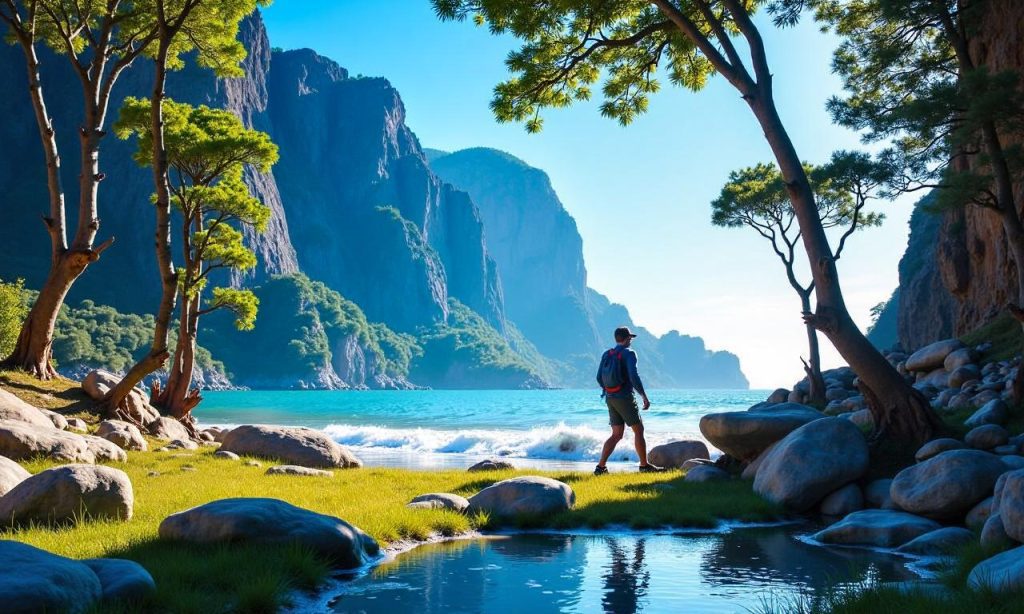
Nature photography is more than just capturing images of trees, mountains, or oceans—it’s about conveying the essence of the natural world through a lens. Whether you’re a beginner or looking to refine your skills, learning nature photography guide techniques can transform your ability to document the planet’s beauty. From the soft glow of dawn to the vibrant hues of a sunset, the outdoors offers endless opportunities for creativity. But with so many elements to consider, it’s easy to feel overwhelmed. This article will walk you through essential nature photography guide tips, helping you elevate your shots with confidence. By focusing on key areas such as equipment, composition, lighting, and post-processing, you’ll gain the tools to capture wonders like a professional. Let’s dive in and explore how to unlock your potential as a nature photographer.
Essential Equipment for Nature Photography
Having the right gear is the first step toward creating stunning images. While a high-end camera can enhance your results, the nature photography guide also emphasizes the importance of selecting equipment that suits your style and environment. A DSLR or mirrorless camera with manual settings gives you greater control over exposure, but even smartphones with quality cameras can produce remarkable shots with the right techniques.
Choosing the Right Camera
For beginners, a camera with a high megapixel count and good low-light performance is ideal. However, it’s not just about the number of megapixels. A camera that allows manual adjustments to ISO, aperture, and shutter speed gives you the flexibility to adapt to different lighting conditions. If you’re starting with a smartphone, ensure it has a high-quality lens and features like HDR mode or pro mode for more creative control.
Lenses That Make a Difference
A wide-angle lens is perfect for capturing vast landscapes, while a telephoto lens allows you to zoom in on distant subjects like birds or flowers. A prime lens with a fixed focal length, such as a 50mm or 85mm, often delivers sharper images and better low-light performance. For macro photography, a microscope lens or a close-up lens can reveal intricate details in nature, like the texture of a leaf or the patterns on a butterfly’s wings.
Tripods and Filters
A tripod is essential for long exposures and panoramic shots, ensuring your camera remains steady. Even a small monopod can be useful for dynamic compositions. Don’t forget about filters—a polarizing filter can reduce glare and enhance colors, while a neutral density (ND) filter helps you create smooth water effects or slow-moving clouds. These accessories can significantly improve the quality of your shots and give you more creative freedom.
Mastering Composition in Nature Photography
Composition is the backbone of any great photograph. It determines how the viewer’s eye moves through the image and highlights the most compelling elements of your subject. By understanding basic composition principles, you can craft visually striking shots that tell a story.
Rule of Thirds and Leading Lines
The rule of thirds is a fundamental technique in nature photography guide. Divide the frame into nine equal parts with two horizontal and two vertical lines, and place your subject along these lines or at their intersections. This creates a sense of balance and depth. For example, when photographing a mountain range, position the horizon along the top third of the image to emphasize the sky. Leading lines, such as rivers, trails, or tree branches, can guide the viewer’s attention toward the main subject and add visual interest.
Framing and Depth
Framing your subject with natural elements like arches, trees, or rocks can create a sense of layering and depth. This technique is especially effective for portrait shots of animals or plants. Use the background to complement the foreground without overpowering it. For instance, when capturing a wildflower, include a distant tree or mountain to add context. Depth of field also plays a role here—adjust your aperture to blur the background and keep the subject sharp, or keep everything in focus for detailed landscapes.
Symmetry and Balance
Nature often provides perfect symmetry, such as reflective water surfaces or geometric patterns in rock formations. Capturing these elements can create visually balanced images that feel harmonious. If symmetry isn’t present, focus on asymmetrical balance by distributing visual weight evenly. For example, a single tree in the center of a tree-lined path can create dynamic tension and draw attention to the scene.
Lighting: The Secret Ingredient in Nature Photography
Lighting can make or break a photograph. The quality and direction of light determine how colors, textures, and shadows are rendered. By mastering lighting techniques, you can highlight the beauty of your subject and create emotional impact.
Golden Hour and Blue Hour
The golden hour—the hour after sunrise and before sunset—offers soft, warm light that enhances colors and reduces harsh shadows. This is an ideal time for landscape photography or portrait shots. Conversely, the blue hour occurs just before sunrise and after sunset, producing cool, diffused light that adds a mysterious atmosphere to your images. Both times are crucial for stunning results in a nature photography guide.
Backlighting and Side Lighting
Backlighting can create dramatic silhouettes and vivid highlights, especially when capturing subjects against a bright sky. Use this technique to emphasize transparency in leaves or shimmering water. Side lighting adds texture and dimension, making it perfect for capturing the details of a stone wall or a forest canopy. Experiment with different angles to find the most flattering light for your subject.
Overcast Days and Flash
On overcast days, the diffused light can be ideal for portraits and detailed shots of textures and patterns. However, it can also create flat images if not used correctly. Add flash or reflectors to create contrast and highlight key areas. For low-light situations, such as nighttime photography, a tripod and long exposure settings can capture the stars or bioluminescent organisms.
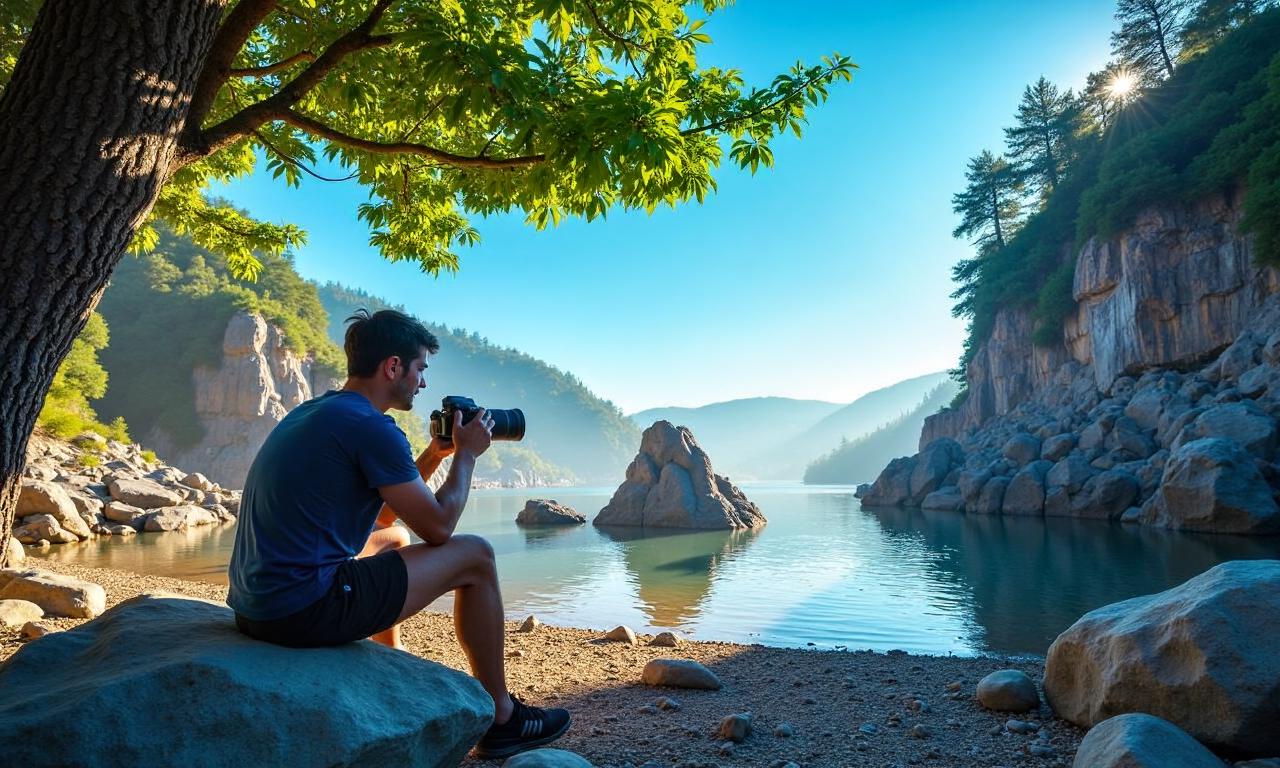
Post-Processing: Enhancing Your Nature Photos
Even the best nature photography guide can benefit from post-processing. Editing allows you to refine colors, adjust contrast, and remove distractions to bring out the full potential of your images. While it’s important not to overdo it, subtle edits can elevate the quality of your work.
Basic Editing Techniques
Start with cropping to eliminate unnecessary elements and focus on the subject. Adjust brightness and contrast to enhance the colors of a sunrise or sunset. Use clarity and sharpness tools to bring out details in textured surfaces like tree bark or rock formations. For color grading, consider boosting the greens in a forest scene or saturating the blues in a water photograph.
Removing Distractions
Use spot removal tools to eliminate blemishes or distracting elements like flies or branches in the foreground. Dodging and burning can brighten specific areas or darken others to emphasize the main subject. For example, brighten the sky in a sunset shot to highlight the colors without overpowering the landscape below.
Creative Effects
Experiment with filters like vibrance or saturation to add a bold aesthetic to your nature photography guide. Black and white conversions can create a timeless feel for monochrome shots, while adding grain can give your image a nostalgic look. Don’t forget to adjust the white balance to match the natural colors of your scene, especially when photographing under different lighting conditions.
Final Touches
Before sharing your work, preview the image on different screens to ensure consistency in colors and tones. Use batch processing to save time when editing multiple shots. Finally, add a subtle vignette to focus attention on the center of the frame and create a professional finish.
The Power of Patience and Practice
Capturing wonders of nature requires more than just technical skill—it demands patience and practice. Spend time observing your surroundings and waiting for the perfect moment. This might mean staying in one place for hours to capture the movement of animals or the gradual change of light.
Understanding Your Environment
Familiarize yourself with the behavior of wildlife and the changing weather patterns. Knowing when a herd of deer is likely to cross your path or when clouds will break for a clear sky can make all the difference in your nature photography guide. Study the natural light cycles and seasonal changes to plan your shoots effectively.
Capturing Motion and Action
To convey movement in your images, use slow shutter speeds and tripods. This technique works well for photographing waterfalls, flowing rivers, or flying birds. Panning shots can create a sense of motion while keeping the subject sharp. For fast action, increase your shutter speed to freeze the moment in high detail.
Experimenting with Perspectives
Try different angles to break the monotony of your shots. Low-angle perspectives can highlight the grandeur of a mountain or tree, while high-angle views offer a unique vantage point for capturing textures and details. Bird’s-eye views are ideal for landscapes, while close-up shots focus on micro details like insect wings or plant textures.
Sharing and Learning
Once you’ve captured your images, share them with others to get feedback and inspire new ideas. Join online communities or local photography groups to learn from experienced photographers and improve your skills. Keep a journal to track your progress and note what works best in different scenarios.
Conclusion
Incorporating these nature photography guide techniques into your practice will help you capture the wonders of the natural world with greater confidence and creativity. Whether you’re focusing on equipment, composition, lighting, or post-processing, each element plays a crucial role in producing stunning images. Remember, nature photography is a journey of discovery, and with patience and dedication, you can refine your skills and create art that reflects the beauty of the Earth. Start small, experiment with new ideas, and keep learning. Over time, you’ll develop your unique style and capture moments that leave a lasting impression.
