
Practical Ways to Improve Biodiversity in Everyday Life
Biodiversity is not an abstract concept reserved for rainforests and national parks. It is the living network of plants, animals, insects, fungi, and microorganisms that keeps food systems stable, water clean, and ecosystems resilient. The good news is that there are realistic ways to improve biodiversity in everyday life, even if you live in a city, rent a home, or have limited time. Small actions, repeated consistently, create real ecological impact when done by many people.
Most biodiversity loss comes from habitat destruction, pesticide use, pollution, invasive species, and climate pressure. Everyday decisions influence all of these drivers through what we buy, how we manage outdoor spaces, how we travel, and what we waste. The goal is not perfection, but shifting habits toward choices that support more species and healthier habitats. Below are practical, proven actions that fit normal routines and budgets.
Create Biodiversity at Home: Gardens, Balconies, and Micro-Habitats
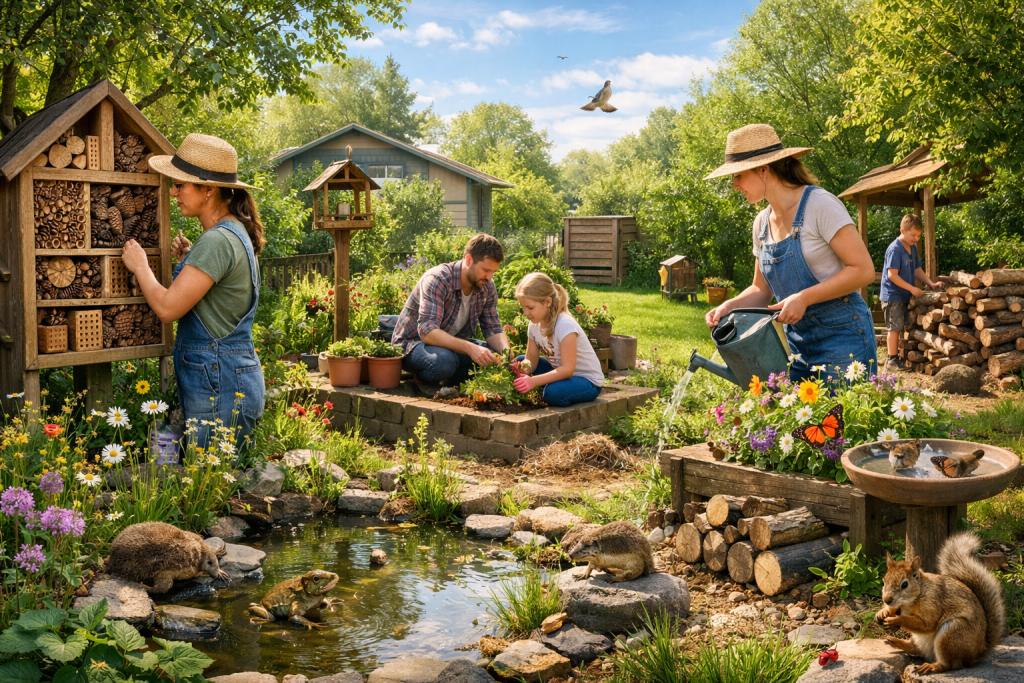
One of the most direct ways to improve biodiversity is to turn your living space into a small habitat. Even a balcony, rooftop, or small yard can provide food and shelter for pollinators, birds, and beneficial insects. The key is choosing plants and materials that support local ecosystems, not just decorative value. A single pot of the right flowers can matter more than a large area of non-native plants.
Prioritize native plants because local insects and birds evolved alongside them. Native plants tend to support more caterpillars, bees, and seed-eating species than imported ornamentals. If you do not know what is native in your area, start with “native wildflower mix” from reputable local sources. Avoid mixes that contain invasive species, which can harm ecosystems.
Add layers to your planting: ground cover, flowering plants, shrubs, and if possible a small tree. Biodiversity increases when habitats offer different heights and microclimates. Choose plants that bloom in different seasons so pollinators have food across spring, summer, and fall. This is a practical method that works even with a few containers.
Reduce “over-cleaning” outdoors because many species depend on natural mess. Leave some leaf litter, dead stems, and small branches in a corner. These materials provide nesting sites and overwintering shelter for insects and spiders. A neat garden often becomes a low-life garden, even if it looks green.
Provide clean water in a safe way. A shallow dish with stones allows insects and small animals to drink without drowning. Refresh it regularly to prevent mosquito breeding. This is a simple but effective action that supports urban wildlife.
Eat and Shop in a Way That Protects Ecosystems
Food systems are one of the biggest biodiversity pressures because agriculture uses land, water, chemicals, and energy. That means your grocery choices are quietly among the strongest ways to improve biodiversity. You do not need extreme diets to make an impact. You need fewer high-impact foods and more biodiversity-friendly options.
Reduce consumption of products linked to deforestation and habitat loss. Beef, soy tied to animal feed, and unsustainably produced palm oil are common drivers in many regions. This does not require eliminating them entirely, but reducing frequency and choosing better-sourced alternatives matters. When demand shifts, supply chains follow.
Buy seasonal and locally produced food when possible. Seasonal food often requires fewer artificial inputs and less energy for transport and storage. Local farms also tend to be more visible, meaning you can learn how they manage land. Supporting farms that use regenerative practices helps soil biodiversity and reduces chemical reliance.
Choose seafood carefully because marine biodiversity is under heavy pressure. Look for sustainable certifications and avoid species known for overfishing or destructive harvesting methods. Small changes, like choosing lower-trophic fish or certified products, reduce stress on ecosystems. Marine biodiversity is as important as forests, even if it feels distant.
Avoid “perfect produce” habits that create waste. Food waste increases land conversion pressure because more farmland is needed to replace what is thrown away. Buying slightly imperfect fruits and vegetables helps reduce waste across the system. It also supports a healthier, less extractive supply chain.
Cut Chemical Pollution: Pesticides, Cleaners, and Microplastics
Chemical pollution is a major biodiversity killer, especially for insects, amphibians, and aquatic life. Many everyday products contain compounds that accumulate in soil and waterways. Reducing chemical load is one of the most underrated ways to improve biodiversity, because it improves survival rates for many species at once. It also tends to improve human health and indoor air quality.
Avoid pesticides and herbicides in home gardening. Many products marketed as “safe” still harm pollinators and beneficial insects. Instead, use manual weeding, mulching, and biodiversity-based pest control. For example, diverse planting reduces pest outbreaks by breaking monoculture patterns.
Switch to simpler, biodegradable cleaning products. Harsh disinfectants and synthetic fragrances can contribute to water pollution when washed down drains. You do not need extreme “natural living” changes; just reduce unnecessary chemical variety. Unscented, low-toxicity options are often sufficient for everyday cleaning.
Reduce microplastics by changing a few common habits. Synthetic clothing sheds microfibers during washing, which enter waterways and harm aquatic life. Washing less frequently, using a microfiber-catching laundry bag, and buying more durable fabrics reduce shedding. Avoid cosmetics with plastic microbeads, which still exist in some markets.
Dispose of hazardous waste properly. Batteries, electronics, and old chemicals should not go into normal trash when safer collection options exist. These materials leak heavy metals and toxic compounds into ecosystems. Proper disposal is a direct action that prevents long-term contamination.
Support Wildlife Without Creating New Problems
Many people want to help wildlife but accidentally cause harm. Feeding wildlife improperly, introducing non-native species, or building unsafe structures can increase mortality. The goal is to support wildlife in ways that strengthen natural behaviors and survival. Done correctly, this becomes one of the most meaningful ways to improve biodiversity in urban and suburban areas.
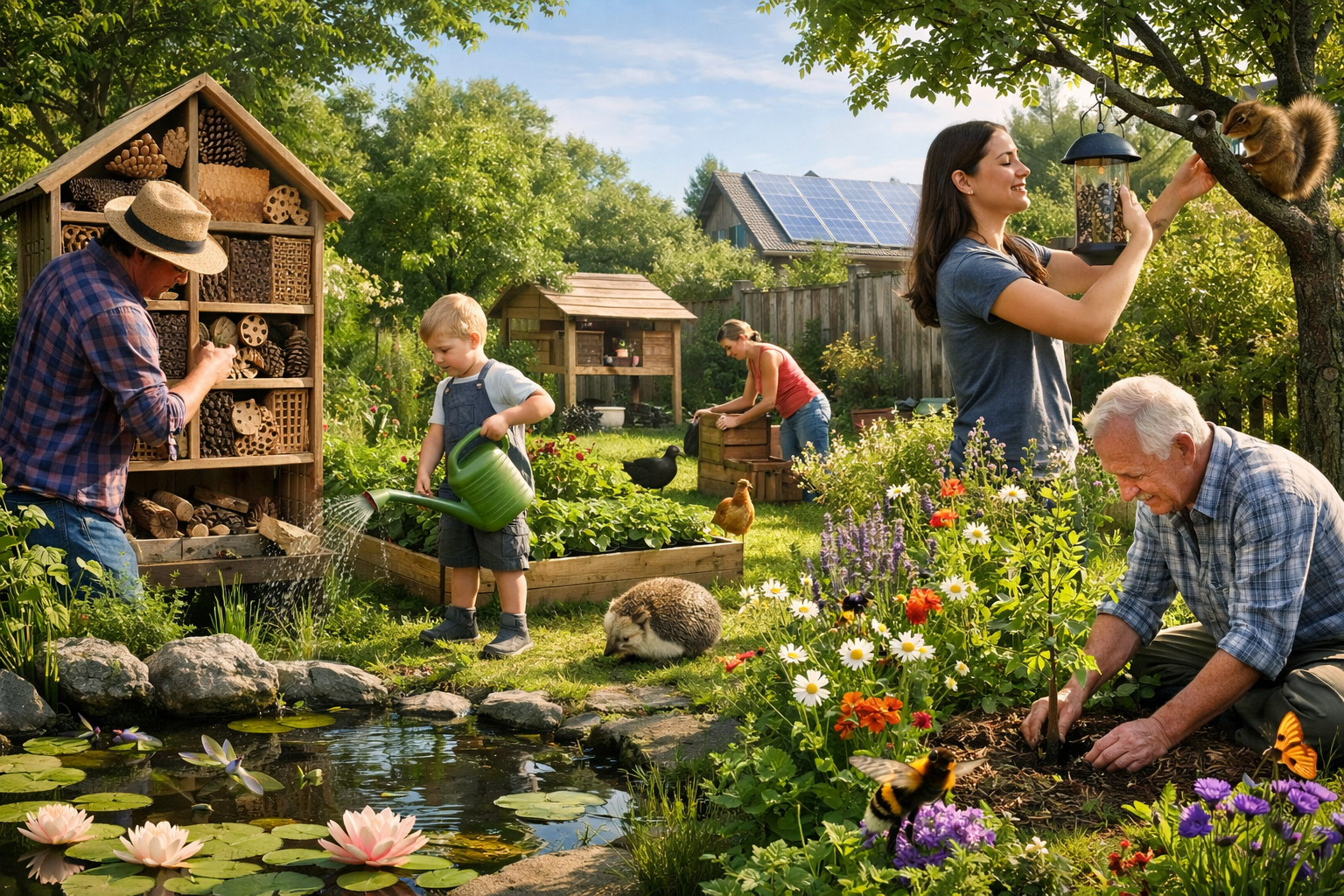
If you feed birds, do it responsibly. Use clean feeders, avoid cheap seed mixes with filler, and place feeders where cats cannot ambush. Dirty feeders spread disease, and poorly placed ones increase predation. A well-managed feeder can help birds through seasonal shortages without causing dependency.
Make your home safer for wildlife. Window collisions kill enormous numbers of birds each year. Simple solutions like window decals, external screens, or patterned films reduce collisions significantly. This is one of the highest-impact actions for city residents.
Keep cats indoors or supervised. Domestic cats are efficient predators and have contributed to major wildlife declines worldwide. Even well-fed cats hunt instinctively. Indoor living is safer for cats and dramatically safer for birds, reptiles, and small mammals.
Avoid releasing pets or aquarium species into nature. Many invasive species problems start with “just one release.” Invasive species can outcompete natives and disrupt entire food webs. Responsible pet management is biodiversity protection, not just personal responsibility.
Reduce Your Carbon and Land Footprint in Realistic Ways
Climate change intensifies biodiversity loss by altering habitats, shifting seasons, and increasing extreme weather. Land use and energy consumption are deeply connected to biodiversity because they shape what ecosystems can survive. You do not need to solve climate change alone, but lowering your footprint supports biodiversity in measurable ways. This is especially important because climate pressure affects every ecosystem at once.
Reduce energy waste at home through simple efficiency habits. Use LED lighting, reduce unnecessary air conditioning, and unplug devices that draw power continuously. Energy efficiency lowers demand on power generation, which often affects habitats through mining, drilling, or land conversion. Small reductions add up over time.
Walk, cycle, or use public transit when feasible. Transportation emissions contribute heavily to climate pressure. Even replacing a few short car trips per week reduces emissions and air pollution. Cleaner air benefits both human health and sensitive species.
Buy fewer, longer-lasting products. Overconsumption drives mining, deforestation, and industrial pollution. Choosing durable items reduces resource extraction and waste. This is one of the most practical ways to improve biodiversity because it attacks the problem upstream.
Reduce paper and packaging waste. Excess packaging contributes to landfill expansion and plastic pollution. Choose bulk options when possible and prioritize reusable containers. Waste reduction lowers the demand for raw materials that often come from habitats.
Community Actions That Multiply Your Impact
Individual actions matter, but community actions scale faster. Biodiversity improves when neighborhoods, schools, workplaces, and local governments change how land and resources are managed. The best ways to improve biodiversity often involve collective participation because ecosystems operate at landscape scale. Even one person can influence community decisions through consistent involvement.
Support local conservation groups and habitat restoration projects. Many groups organize tree planting, wetland cleanups, pollinator garden builds, and invasive species removal. These activities create direct habitat improvements and educate communities. The value is not symbolic; it is measurable land recovery.
Advocate for biodiversity-friendly urban planning. Cities can improve biodiversity by planting native trees, reducing mowing, creating green corridors, and protecting waterways. You can support these changes through community meetings, local voting, or neighborhood initiatives. Urban biodiversity is not a luxury; it reduces heat, improves air, and supports pollinators.
Encourage schools and workplaces to create native gardens. Even small green spaces can become biodiversity hubs. A school garden that uses native plants can support insects, birds, and soil life while educating students. This creates long-term cultural change, not just a one-time improvement.
Reduce light pollution in your area. Artificial night lighting disrupts insects, birds, and nocturnal mammals. Simple actions like using motion sensors, warm lighting, and turning off unnecessary outdoor lights protect wildlife. It also saves energy and improves nighttime environments for people.
Conclusion
The most effective ways to improve biodiversity in everyday life are the ones you can repeat consistently: planting native species, reducing chemical pollution, making wildlife-safe choices, lowering waste and carbon footprint, and supporting community habitat projects. Biodiversity is rebuilt through many small habitats connected across neighborhoods and regions. When daily habits shift toward ecological support, ecosystems become more resilient and species have a better chance to recover.
FAQ
Q: What are the easiest ways to improve biodiversity if I live in an apartment? A: Use native potted plants, provide a shallow water source, reduce chemical cleaners, and prevent bird-window collisions with simple window treatments.
Q: Do native plants really make a difference compared to ornamental plants? A: Yes. Native plants usually support far more local insects and birds because they evolved together and match local ecological needs.
Q: Is feeding birds a good way to support biodiversity? A: It can help if done responsibly, but planting native food sources and making windows safer often has a more consistent positive impact.
Q: How can I improve biodiversity without spending much money? A: Reduce pesticide use, waste less food, buy fewer disposable products, and leave natural garden materials like leaf litter for insects.
Q: What is one high-impact change most people overlook? A: Keeping cats indoors or supervised, because free-roaming cats significantly reduce local bird and small animal populations.
