
They survived the bombs, but not the virus: Fatal illness spreads in Gaza
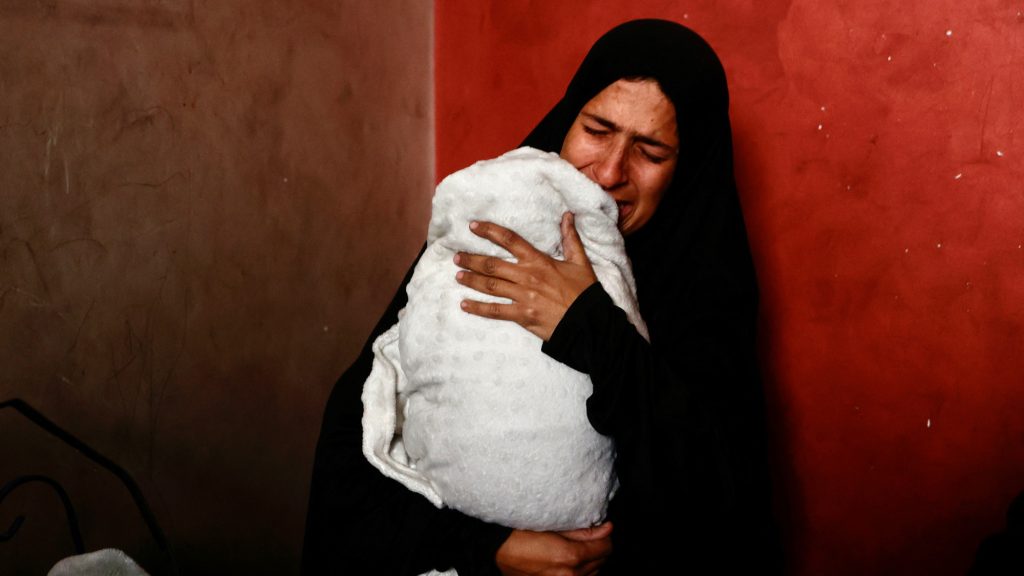
They survived the bombs, but not the virus: Fatal illness spreads in Gaza
In the darkest moments of her fears, Marwa Kalloub never imagined her daughter Mariam would pass away after being admitted with flu-like symptoms. The 38-year-old mother had confidence in her child’s natural defenses and the simplicity of basic treatment.
Yet Gaza, ravaged by months of Israeli starvation and a crumbling healthcare network, saw a common ailment claim lives. “Mariam had no previous health issues,” her aunt, Iman Kalloub, shared with Middle East Eye. “Before she died, Mariam suffered from a severe cough, vomiting, and a high fever. She stopped eating altogether,” Kalloub added.
“So many people in Gaza were infected with this virus that we anticipated her recovery to take time. We never thought it would end this way.”
Recently, a modified virus has rapidly spread through Gaza, targeting communities already weakened by years of conflict and a failing medical system. Health officials have not yet confirmed the virus’s identity, citing limited testing abilities and shortages of critical supplies, which has left residents uncertain about its effects.
Mariam, eight years old, was admitted to Rantisi Hospital on 11 January. Once a hub for treating children with kidney disease and cancer, the facility now focuses on respiratory and digestive infections, along with managing long-term conditions. Israeli attacks have repeatedly damaged Gaza’s healthcare infrastructure, forcing it to adapt to new challenges.
Despite the Palestinian Ministry of Health’s attempts to restore services, the hospital remains overburdened. “Two years of war didn’t kill her. A small virus did,” said Kalloub, describing how Mariam’s mother rushed her to the hospital after severe breathing issues emerged. “She waited hours to see a pediatrician, overwhelmed by the number of sick children,” Kalloub explained. Doctors discovered her lungs were critically damaged, and treatment was nearly impossible. “All they could do was provide oxygen. They couldn’t even offer intravenous nutrition. Perhaps they knew they couldn’t save her,” the mother noted.
The family had celebrated the October ceasefire with cautious optimism, beginning to rebuild their home and sending Mariam back to school. The idea that a child who endured months of bombardment would succumb to a virus seemed impossible. “It’s hard to believe a child who survived the bombs would die from a virus,” Kalloub remarked.
Health Crisis Deepens Amid Escalating Infections
Hospitals are urging families to keep children at home, fearing a fast-moving illness. “Children, the elderly, pregnant women, and those with chronic illnesses are most at risk,” said Mohammed Abu Salmiya, director of al-Shifa Medical Complex in Gaza City. He cited overcrowded refugee camps, leaking tents, contaminated water, and weakened immunity as key factors in the virus’s spread.
A November 2025 report by the Health Cluster, led by the World Health Organization, revealed that most medical facilities in Gaza cannot offer full services. It noted that 55% of essential medicines were unavailable, and 71% of basic medical supplies were out of stock. “We lack medicines and lab equipment, making diagnosis and treatment extremely difficult,” Abu Salmiya said. Bed occupancy has reached 150 to 200 percent due to the surge in patients.
Severe pneumonia cases have led thousands to hospitals, some requiring intensive care. Deaths have also been reported. UN agencies reported last month that 77% of Gaza’s population still faces acute food insecurity, leaving many highly susceptible to illness.
