
Middle East war may force Rachel Reeves to raise taxes AGAIN despite warning burden is ALREADY hitting economy – as new report warns of impact on inflation and GDP
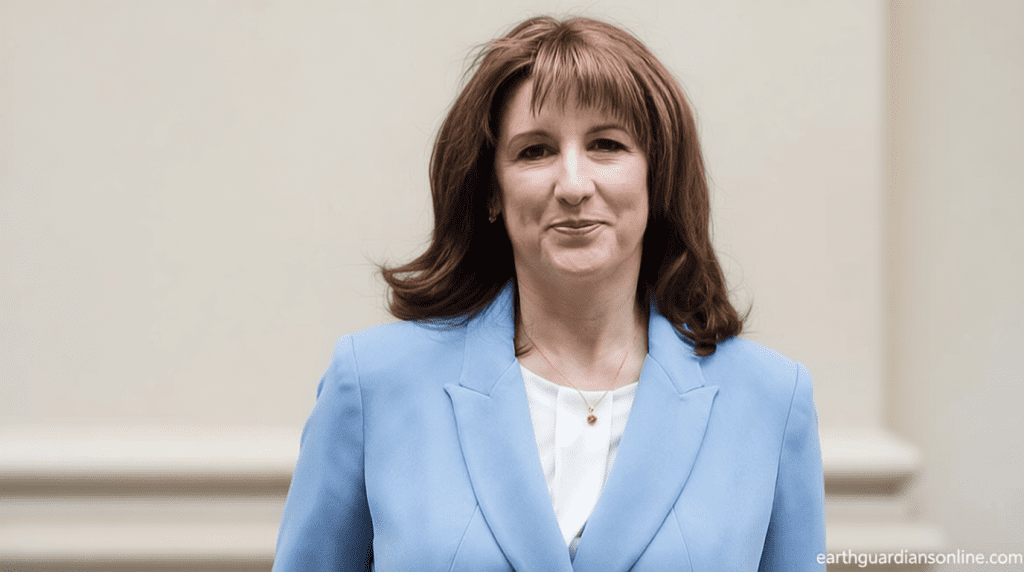
Middle East war may force Rachel Reeves to raise taxes AGAIN despite warning burden is ALREADY hitting economy – as new report warns of impact on inflation and GDP
Rachel Reeves faces renewed pressure to increase taxation as escalating tensions in the Middle East threaten to intensify economic strain. The Chancellor’s recent fiscal decisions have already added £75 billion annually to the tax load on UK citizens, with the Spring Statement indicating the financial burden is poised to set a new record.
Significant portions of this tax increase have been directed toward soaring welfare expenditures, as Labour MPs pushed for the government to abandon attempts to limit spending and remove the two-child benefits cap. Yet, despite Reeves’ claims of improved fiscal health, the Office for Budget Responsibility (OBR) highlighted that the government’s budget balance hinges heavily on a windfall from surging stock markets.
The OBR warned that a 35 per cent drop in those markets could add £26 billion to national borrowing, effectively eroding the Chancellor’s fiscal flexibility. Recent volatility in the FTSE 100, triggered by Donald Trump’s attacks on Iran, has already wiped out a month’s worth of gains, heightening concerns about economic stability.
Scenario analysis highlights risks to growth and inflation
A new report from Bloomberg Economics suggests prolonged Middle East conflict could depress GDP and elevate inflation if oil prices remain elevated. In the worst-case scenario, closure of the strategically vital Strait of Hormuz and oil prices hitting $108 per barrel could reduce GDP by half a percentage point and raise inflation by over a point. A less severe situation, with oil prices stabilizing around $80, would still result in a 0.3 percentage point GDP decline and a 0.5 point inflation surge.
The OBR’s latest findings, released alongside Reeves’ Spring Statement, reveal that the tax burden was already on course to reach 38.5 per cent of GDP by 2030-31—surpassing the 38.3 per cent forecast from November. This trend threatens to undermine the government’s fiscal goals, as higher taxes may dampen productivity and economic activity.
“It’s very difficult to increase taxes faster than GDP—what’s needed to bring the fiscal situation back under control—without causing some damage to incentives for investment, work, and saving,” said David Miles of the OBR, appearing on BBC Radio 4’s Today programme.
Miles emphasized the OBR’s concern over the reliance on a shrinking base of high-income taxpayers for revenue. Freezing earnings thresholds, he noted, is particularly vulnerable to shifts in inflation and wage growth.
The Institute for Fiscal Studies (IFS) warned that boosting defense spending to meet NATO targets—raising the current 2.4 per cent of national income to 3.5 per cent—would cost £35 billion annually. This would require either cutting other public services or hiking VAT rates by 3 to 3.5 percentage points.
“We shouldn’t expect the government to meaningfully increase defense spending without significant cuts to other programs or substantial tax rises,” remarked IFS director Helen Miller. “The Middle East developments and market reactions were the real economic headlines on Wednesday, not the Spring Statement.”
Miller pointed to sharp increases in energy costs and a steep decline in stock markets as immediate indicators of economic uncertainty. Gas prices jumped over 20 per cent in a single day, while the stock market fell nearly 3 per cent, reflecting growing anxiety about inflation and borrowing costs.
