
Cuba is going dark under US pressure. How the crisis unfolded and why its troubles are far from over
Cuba is going dark under US pressure. How the crisis unfolded and why its troubles are far from over
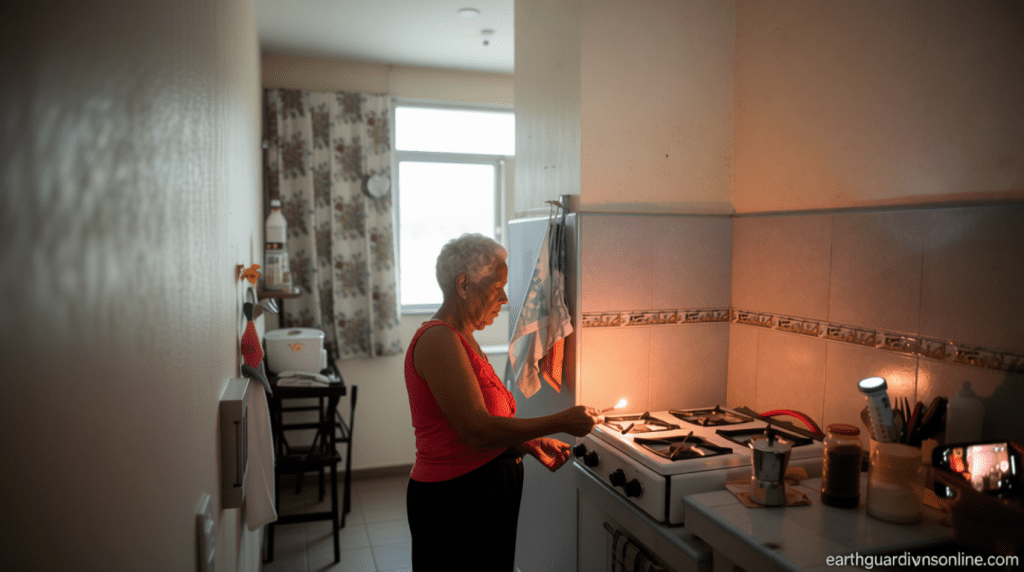
Three months into the US oil embargo, Cuba faces a deepening energy crisis that is disrupting daily life across the country. Streets in Havana now host growing piles of waste, while hospitals struggle with limited operations and patients endure extended waits. Many Cubans have resorted to burning wood for heating, and power outages have become a regular occurrence. President Miguel Díaz-Canel acknowledged the challenges during a recent televised address, stating that authorities are actively seeking solutions but warned the task remains complex.
The Embargo’s Impact
The US has enforced an economic embargo on Cuba since the 1960s, costing the island “trillions of dollars” and hindering “overall human development,” as noted in a UN report. Despite international calls for easing sanctions, Washington has intensified its pressure on the communist-led nation. In January, the US severed Cuba’s primary oil supply from Venezuela following a military operation that captured the country’s leader. Subsequently, Mexico and other suppliers were compelled to halt deliveries after threats of additional tariffs, citing Havana’s alignment with “hostile countries and malign actors” as a justification.
With oil critical for vehicle fuel and electricity generation, the disruption has worsened Cuba’s long-standing energy shortages. Díaz-Canel reported that power outages have grown more frequent, as plants lack enough fuel to operate. This has led to the first nationwide blackout since the embargo began, highlighting the severity of the situation.
Strain on Essential Services
Antonio Rodríguez Rodríguez, head of the National Institute of Hydraulic Resources (INRH), revealed that the fuel shortage is also affecting water supply. The agency is exploring solar panel installations to lessen reliance on the electrical grid. Meanwhile, the Cuban government claims to be addressing the oil crisis through increased domestic production, though details remain scarce.
CNN has contacted both INRH and the Aguas de La Habana company for updates on how these challenges are being managed. The shortage has disrupted transportation, education, and healthcare, with “tens of thousands” of patients unable to receive necessary treatments due to unreliable power. Garbage trucks now run on empty fuel tanks, leaving streets in Havana littered with waste, while public transit has seen reduced services and overcrowded buses.
Public Response
Protests have emerged in response to the crisis, a rare sight in Cuba. On March 7, residents in Havana’s neighborhoods gathered to voice frustration by clanging pots and pans and setting fires. Days later, students staged a peaceful demonstration near the University of Havana, citing power and internet outages as barriers to their studies. A more dramatic event unfolded in Morón, where demonstrators attacked the local Communist Party headquarters, prompting five arrests.
“The humanitarian situation in Cuba was already extremely fragile, but the electricity crisis is pushing many essential services to the limit,” said Juanita Goebertus, Americas director at Human Rights Watch. “People don’t have reliable access to drinking water, hospitals can’t operate safely, basic goods are becoming increasingly difficult to obtain, and garbage is piling up in the streets.”
