Why a delayed Xi-Trump summit could give China a stronger hand

Why a delayed Xi-Trump summit could give China a stronger hand
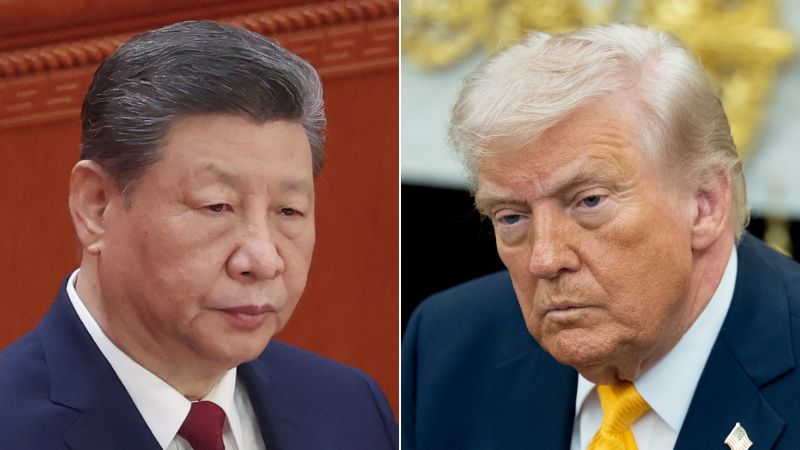
Analysts suggest that the postponement of the Trump-Xi summit, initially slated for March 31 to April 2, might inadvertently bolster China’s position in ongoing negotiations. Chinese officials, who have not officially confirmed the rescheduled meeting, remain cautious but optimistic, according to sources. The delay, which the White House proposed as a “5-to-6 week” adjustment, could allow Beijing to navigate potential complications tied to the US conflict with Iran—a key ally in the Middle East.
Beijing’s stance on the postponement is deliberately ambiguous, offering flexibility while maintaining a positive outlook. Chinese Foreign Ministry spokesperson Lin Jian emphasized the importance of such summits, calling them “irreplaceable” for steering the relationship between the world’s two largest economies and military powers. Yet, behind the diplomatic veneer, uncertainty persists. Some Chinese sources hint the summit may not occur as planned, with either side potentially withdrawing if tensions escalate further.
“If the war in Iran causes major casualties of Chinese citizens or significant damage to Chinese assets, Trump would struggle to maintain his resolve,” said one anonymous source, highlighting a key concern for Beijing.
Trump’s decision to delay the meeting reflects his administration’s strategy to manage the crisis, but it may also expose his vulnerability. Experts note that prolonged hostilities could erode his domestic support, especially after the US Supreme Court struck down his emergency tariffs in February. The unexpected Iranian campaign has divided public opinion, and repeated promises of a swift resolution have not quelled concerns about its duration.
Wang Yi, China’s foreign minister, framed 2026 as a “pivotal year” for US-China ties during a press conference amid the conflict. His remarks underscored Beijing’s resolve to push forward with the summit, despite the shifting geopolitical landscape. The war has also positioned China as a credible alternative to the unpredictable US, with global leaders increasingly viewing it as a stable partner.
“Many nations now regard China as a more reliable collaborator than the US,” observed Rana Mitter of Harvard Kennedy School. “This shift in perception, though not necessarily reality, is something Beijing can leverage during and after the summit.”
While the economic fallout from the war is undeniable, China sees political opportunities. By waiting for the summit, officials aim to capitalize on the growing perception of US instability, particularly as Gulf states and Europe grow wary of Washington’s approach. The delay, experts argue, may also reveal Trump’s internal calculations about the war’s timeline, further weakening his negotiating stance.