
Denmark’s Frederiksen bruised in election, as voters put Trump’s Greenland ambitions to the side
Denmark’s Frederiksen bruised in election, as voters put Trump’s Greenland ambitions to the side
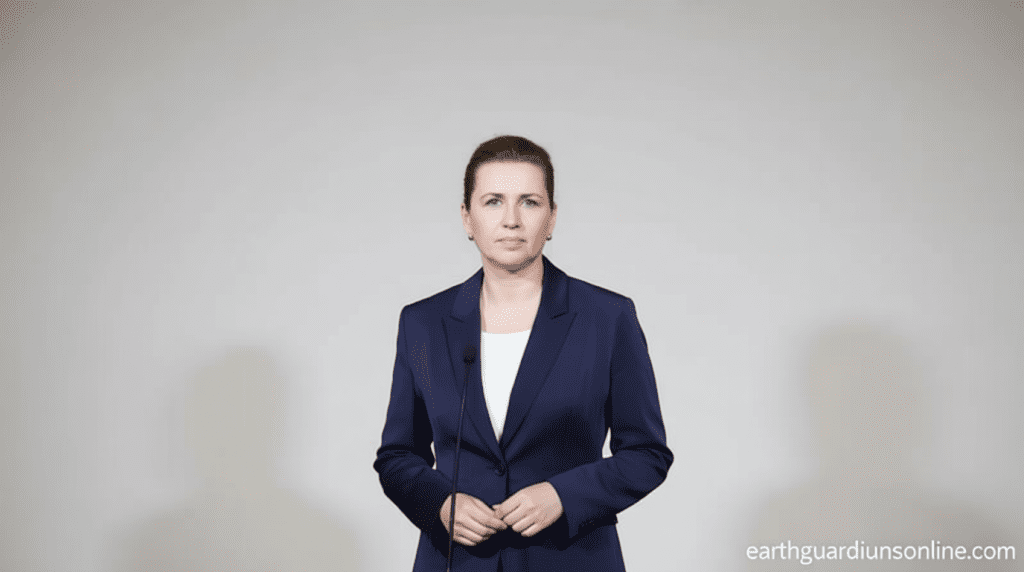
Denmark’s Tuesday election delivered a fragmented outcome, casting uncertainty over the prime minister’s continued leadership, as the campaign centered on everyday concerns rather than her handling of the U.S. president’s interest in Greenland. The official tally revealed a decline for the Social Democrats, led by Mette Frederiksen, compared to their 2022 performance, with her coalition partners also losing ground. No left or right bloc secured a parliamentary majority, placing Lars Løkke Rasmussen, the former foreign minister, in a pivotal role. With 14 seats in a 179-member parliament, his Moderate party could determine if Frederiksen would remain in charge of the EU and NATO nation.
Trump’s Greenland Ambitions: A Lingering Shadow
While Trump’s Greenland aspirations were a backdrop, voters prioritized domestic matters. Troels Lund Poulsen, the center-right Liberal Party’s top rival, emphasized his party’s intent to form a new government without Frederiksen. The Social Democrats, though still the largest bloc, fell short of their previous 27.5% in the 2022 election, earning only 21.9% of the vote. Frederiksen, 48, is recognized for her strong support of Ukraine and strict migration policies, continuing a long-standing Danish political trend.
Frederiksen stated she is prepared to remain in office. ‘The world is unsettled. There are strong winds around us,’ she remarked. ‘Denmark needs a stable government, a competent one. We are ready to take the lead.’
Rasmussen urged left and right opponents to moderate their campaign stances and ‘come and play with us.’ ‘Denmark is a small country of 6 million people in a world of 8 billion, which is in upheaval — and there are wars in Iran and Ukraine,’ he noted. ‘We are one tribe. We must come together. We must not be divided.’
Voter Priorities and Campaign Dynamics
Frederiksen triggered the election in February, months ahead of the mandatory call. She aimed to leverage her firm stance against Trump’s Greenland maneuvering and her efforts to rally European allies in favor of Denmark. However, her support weakened due to rising living costs, which, alongside pension concerns and a proposed wealth tax, dominated the campaign. No
