
The lesser-known meningitis symptom to look out for after Kent outbreak
A Hidden Meningitis Symptom Emerges Amid Kent Outbreak
In response to a recent meningitis outbreak in Kent, the UK Health Security Agency has expanded vaccination efforts to include students across the region following two fatalities reported this month.
The two individuals affected were in their late teens to early twenties, with the University of Kent confirming one as a student. Meanwhile, local MP Helen Whately highlighted that the other was a Year 13 student from Queen Elizabeth’s Grammar School in Faversham.
As of now, the UK Health Security Agency reports 20 confirmed cases, with three additional instances under review.
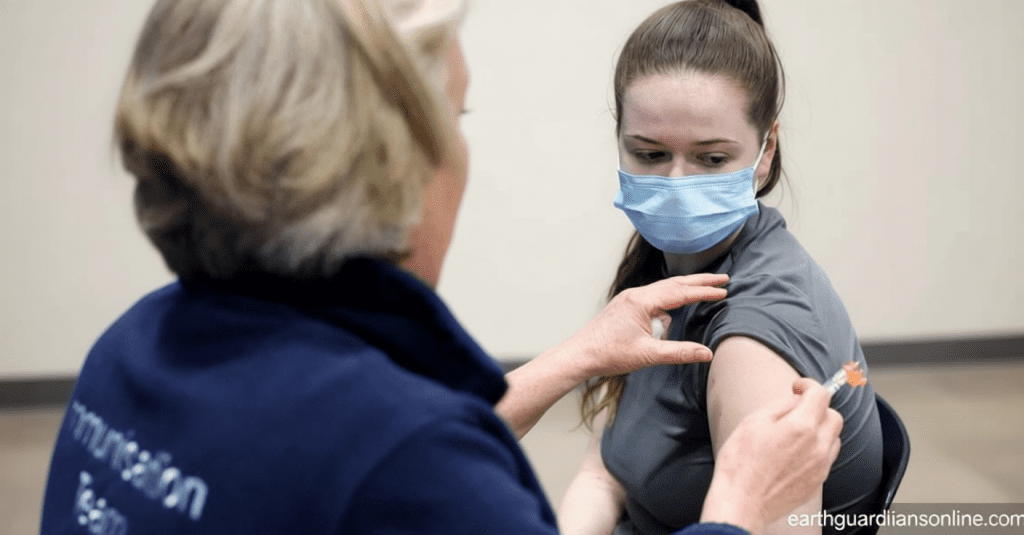
Over 10,600 individuals have received vaccinations since the outbreak began, and the UKHSA announced that the initiative will now target 15 and 16-year-olds at four schools as a preventive step to enhance long-term immunity.
A Lesser-Known Symptom to Watch For
Experts stress the importance of recognizing meningitis symptoms, particularly highlighting a less recognized indicator.
“A lesser-known symptom is light sensitivity, or photophobia, which can be a telltale sign of the disease,” says Tina Patel, a contact lens optician.
Individuals experiencing photophobia often find standard lighting—be it sunlight, electronic displays, or artificial lights—uncomfortable or even painful.
While commonly associated with migraines or eye fatigue, persistent light sensitivity might signal a more severe condition, such as meningitis.
“With meningitis, photophobia results from inflammation of the protective layers around the brain and spinal cord,” explains Patel. “This inflammation can stimulate pain-sensing nerves and affect the brain’s ability to process light, leading to heightened sensitivity in the eyes.”
She notes that warning signs may include discomfort with typical lighting, a preference for dimmer settings, or severe headaches, nausea, and trouble maintaining focus.
Tina adds that photophobia is frequently mistaken for migraines or digital eye strain, though it may accompany more serious symptoms in meningitis cases.
Experts caution that when light sensitivity becomes intense and coincides with overall unwellness, it warrants immediate attention.
Early Signs and Age-Related Variations
Dr. Suzanne Wylie, a GP and medical advisor for IQdoctor, warns that bacterial meningitis can rapidly progress to sepsis, shock, and organ failure within hours of initial symptoms. Prompt treatment is crucial in such cases.
She notes that typical symptoms prompting concern for meningitis include a sudden severe headache, neck stiffness, fever, and occasionally photophobia, alongside general malaise and vomiting.
A critical early sign for meningococcal meningitis is a non-blanching rash—appearing purplish or bruised—that can be tested using the glass test, where applying pressure with a glass doesn’t make it fade.
Dr. Wylie emphasizes that meningitis symptoms can differ based on the patient’s age group.
“In infants and young children, classic symptoms like neck stiffness or headache may not be present. Instead, signs such as irritability, poor feeding, lethargy, or a bulging fontanelle—commonly referred to as the soft spot on a baby’s head—might be observed,” she explains.
Additional uncommon indicators, including cold extremities, rapid breathing, excessive drowsiness, confusion, or seizures, could signal a more severe disease progression.
Faversham and Mid Kent MP Helen Whately contributed to a public statement, underscoring the need for vigilance and awareness in the community.
