
Hip-hop pioneer, Afrika Bambaataa, dies aged 67
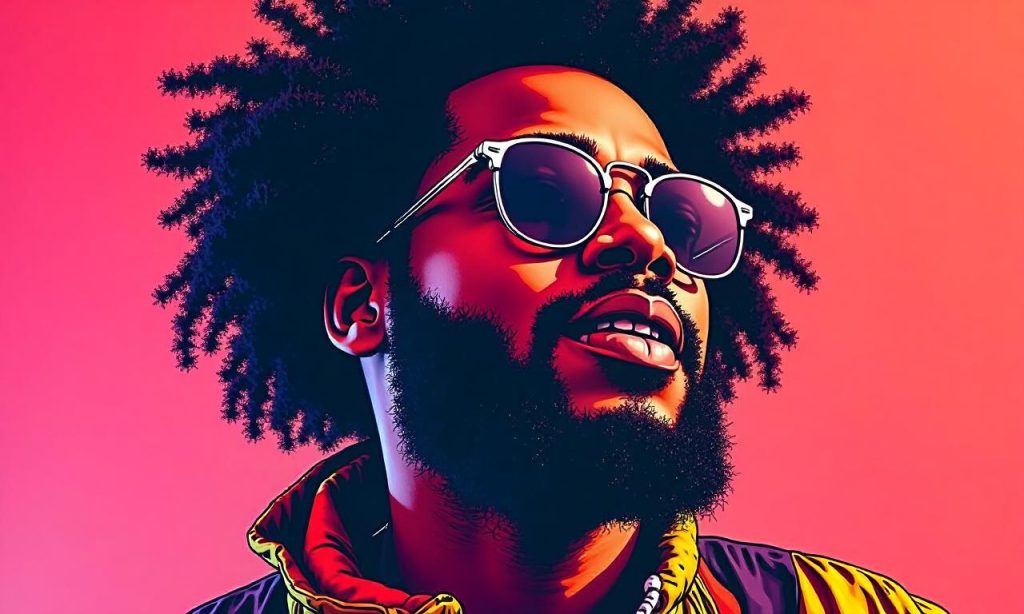
Afrika Bambaataa, Hip-Hop Pioneer, Passes Away at 67
A Legacy Shaped by Culture and Controversy
The Hip Hop Alliance has announced the passing of Afrika Bambaataa, a key architect of hip-hop culture, at 67. His contributions were pivotal in establishing hip-hop as a global phenomenon built on peace, unity, love, and creativity.
Born as Lance Taylor in the Bronx, the artist emerged during the black liberation movement’s peak. As a teenager, he joined the Black Spades gang, later using his leadership to steer youth away from violence and toward artistic expression. In 1973, he co-founded the Universal Zulu Nation, an organization dedicated to promoting hip-hop awareness globally.
Bambaataa’s 1982 track “Planet Rock” earned him international acclaim and played a pivotal role in defining hip-hop’s trajectory during the 1980s. Reverend Dr Kurtis Blow Walker, director of the Hip Hop Alliance, described his vision as transforming the Bronx into “the birthplace of a culture that now reaches every corner of the world.”
Throughout the 1980s and beyond, he collaborated with icons like James Brown and John Lydon, and supported politically charged initiatives such as the anti-apartheid anthem “Sun City” in 1985. However, his later years were marked by accusations of child sexual abuse and trafficking, which he denied as “baseless and a cowardly attempt to tarnish my reputation and legacy in hip-hop.”
TMZ was the first to report his passing, stating that Bambaataa died in Pennsylvania from cancer-related complications on Thursday. In 2025, he lost a civil lawsuit over the same allegations after failing to appear in court, according to The Guardian. Despite the controversy, the Hip Hop Alliance acknowledged the impact of his work, noting that his legacy remains a topic of significant discussion within the community.
“His efforts contributed to the creation of a worldwide movement centered on peace, unity, love, and enjoyment.”
Bambaataa stepped down from leading the Universal Zulu Nation in 2016 following abuse claims from the 1980s and 1990s. While he maintained his innocence, the allegations added complexity to his enduring influence on the genre.
