
Back to Earth: What happens to the Artemis II astronauts now?
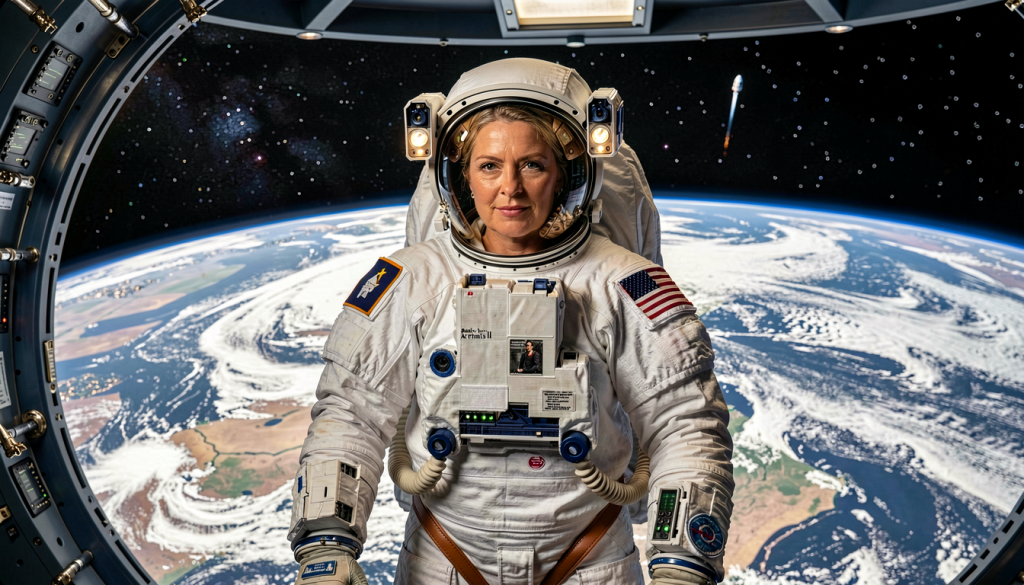
Back to Earth: What happens to the Artemis II astronauts now?
The Artemis II crew successfully touched down after re-entering Earth’s atmosphere at an astonishing speed of 25,000mph (40,000km/h). Their splashdown occurred off the California coast, marking the end of a mission that pushed human exploration further than ever before. The crew surpassed the previous distance record, which was set by Apollo 13 in 1970, by over 4,000 miles.
Astronauts’ Perspectives
Despite the physical and mental challenges of space travel, astronauts often describe their experience as a pinnacle of their lives. They express eagerness to repeat the journey, emphasizing the value of sacrifices like freeze-dried meals or limited privacy in space facilities.
“The inconveniences… were worth it,” said Christina Koch during a pre-landing press conference.
Health and Recovery
Upon returning, the astronauts will undergo immediate medical assessments by doctors on a U.S. warship tasked with retrieving them. They will then be transported by helicopter to shore, followed by a flight to NASA’s Johnson Space Center in Houston. The mission’s duration, while significant, is relatively short compared to longer stays in low Earth orbit or the International Space Station.
Gravity’s absence leads to muscle and bone mass reduction during space travel. Posture-related muscles in the back, neck, and calves are most affected, even with strict exercise routines. Studies show muscle loss can reach up to 20% in two weeks. However, the Artemis II crew’s shorter time in space likely results in less severe physical strain than earlier missions.
Family and Personal Moments
The return home brings emotional relief for families. Commander Reid Wiseman, who has raised his two teenage daughters alone since losing his wife to cancer in 2020, shared his plans with them before launch. His family will be overjoyed to see him safe, especially after the risks of splashdown.
“We will have a celebration… When Jeremy is back safely, we will absolutely come together,” said Dr. Catherine Hansen, wife of astronaut Jeremy Hansen, reflecting on her children’s anticipation.
Looking Ahead
NASA has not disclosed specifics of the astronauts’ post-mission activities, but their roles remain active with the agency. Future missions, such as Artemis III in 2027 and Artemis IV in 2028, are already planned. Artemis III targets a lunar landing, though its timeline may shift.
President Donald Trump, who launched the Artemis program during his first term in 2017, contacted the crew mid-flight to invite them to the White House for an Oval Office reception. “I’ll ask for your autograph… you deserve that,” he told them, vowing to honor their achievement on behalf of the global community.
