
Historic Vance-Ghalibaf talks must bridge deep distrust
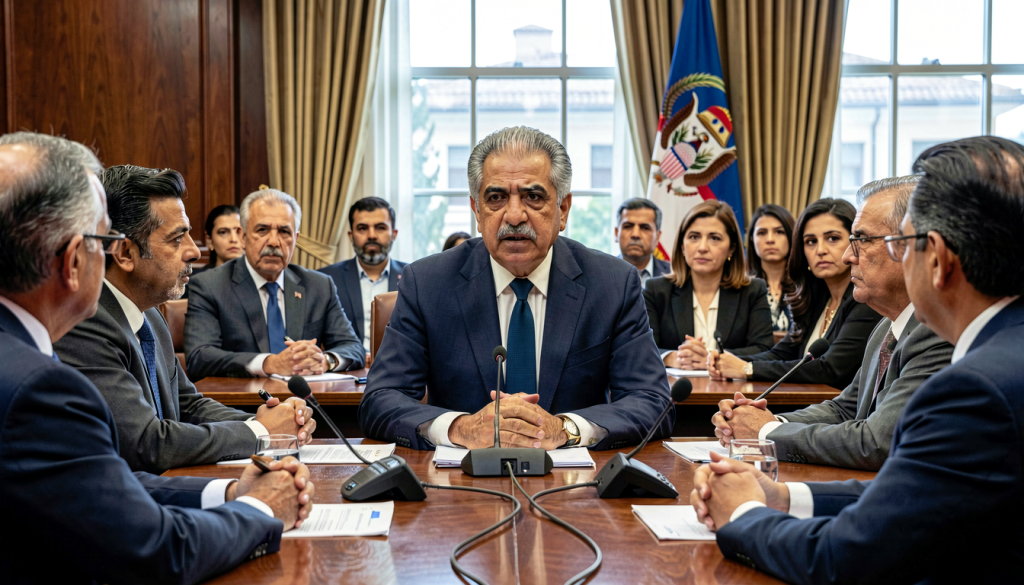
Historic Vance-Ghalibaf Talks Must Bridge Deep Distrust
Should a photo capture US Vice President JD Vance alongside Iran’s Parliamentary Speaker Mohammad Bagher Ghalibaf in Islamabad this weekend, it would symbolize a turning point. This meeting represents the first high-level face-to-face dialogue between the Islamic Republic and the United States since the 1979 revolution, which fractured their once-strong alliance and left a legacy of tension. Despite the cold reception expected—no smiles, no handshakes—the event would still mark a bold step toward resolving the global conflict and steering away from further escalation.
While the current ceasefire is fragile, its terms have already faced criticism and violations. Even in the final hours, uncertainty lingered as Iran hesitated to confirm participation, and Israel refused to back down on its demands in Lebanon. The negotiations, however, offer a chance to revive momentum after Trump’s withdrawal from the 2018 nuclear agreement, a move he called the “worst deal in history.” The recent talks are the most significant effort since then, with the stakes higher than ever.
A Tenuous Path Forward
Ali Vaez of the International Crisis Group acknowledges the potential for new outcomes but warns that the situation remains complex. “The dispatch of more senior officials and the high stakes of failure could open possibilities that weren’t there before,” he says. Yet, the divide between the two sides remains vast, with deep-seated mistrust complicating progress.
Tehran’s patience has been tested by recent events, particularly the sudden outbreak of the Israeli-American war that interrupted negotiations in June 2025 and February this year. The talks, which took place behind closed doors in Geneva, saw some direct exchanges despite the indirect approach through Oman. However, Iranian hardliners, wary of Western influence, reportedly limited the scope of these discussions to avoid embarrassment or confrontation.
Steve Witkoff, Trump’s special envoy, often arrived alone and without notes, fueling Iranian skepticism. His style contrasted sharply with the structured diplomacy of a decade ago, when seasoned negotiators and physicists from both sides worked alongside European diplomats and UN Security Council members. The involvement of the IAEA’s Rafael Grossi in recent talks helped narrow some differences, but the path to resolution remains uncertain.
