
Founder of China’s Evergrande pleads guilty to fraud
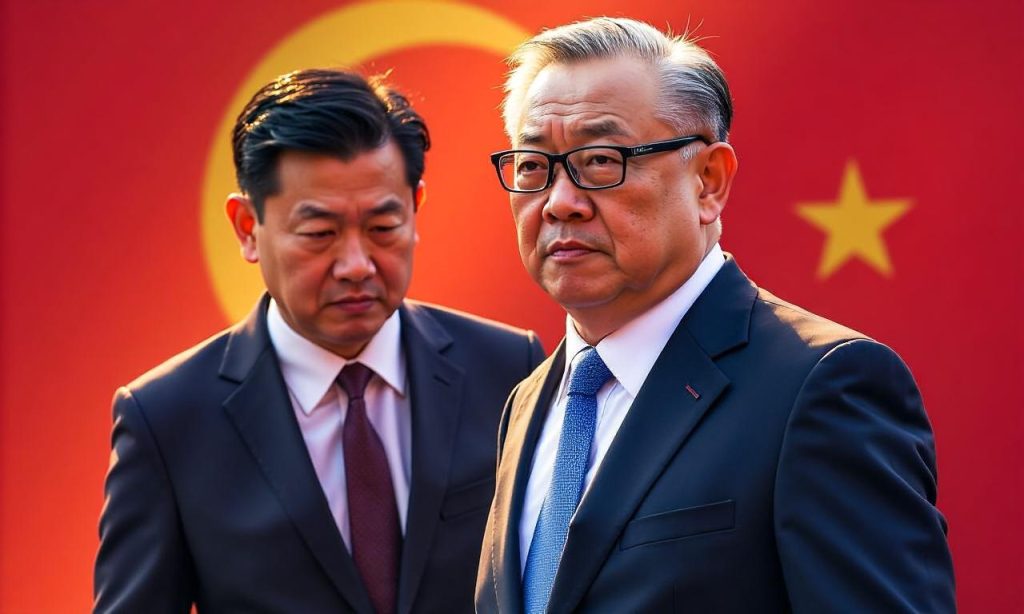
Founder of China’s Evergrande Pleads Guilty to Fraud
Hui Ka Yan, the founder of China’s Evergrande Group, has admitted guilt on multiple counts, including embezzlement and corporate bribery, as disclosed by a court statement. The legal proceedings took place in Shenzhen, where Hui, also recognized by his name Xu Jiayin, expressed regret during the public hearing held on April 13 and 14. The court has yet to deliver its final ruling on the case.
The verdict will be announced at a later date. This plea signifies a critical turning point in the aftermath of Evergrande’s collapse, which has caused significant disruption to China’s real estate industry and left investors and domestic banks in a precarious position. Once a dominant force in the sector with a stock valuation exceeding $50bn, the company faced a debt crisis in 2021 that led to its financial unraveling.
According to the court, Evergrande misused millions in pre-sale funds from prospective homebuyers, diverting them from construction projects to new ventures. This resulted in hundreds of properties remaining unfinished across the nation. Hui’s journey began in rural China, where he was raised by his grandmother before entering the property development field and establishing Evergrande in 1996.
Evergrande’s collapse has been linked to the prolonged stagnation in China’s property market. The downturn accelerated in 2021, casting a shadow over economic growth. At its peak, the company operated 1,300 projects in 280 cities. Its debt levels soared to over $300bn, earning it the title of the world’s most indebted property developer. The 2020 regulatory changes in Beijing further strained its operations, forcing the firm to sell properties at steep discounts to maintain cash flow.
In March 2024, Hui received a $6.5m fine and a lifetime ban from China’s capital markets for overstating his company’s revenue by $78bn. In 2017, he was listed as Asia’s wealthiest individual, with an estimated fortune of $42.5bn. Evergrande’s rapid expansion was fueled by China’s economic boom, which relied heavily on debt. The company diversified into electric vehicles, food production, and even acquired Guangzhou FC, which rose to prominence as China’s leading football club.
Evergrande’s stock value plummeted by 99% before being delisted from the Hong Kong exchange in August 2025, marking the end of its 15-year journey on the market.
