
Chris Mason: Iran war means government’s vicious circles tighten and darken
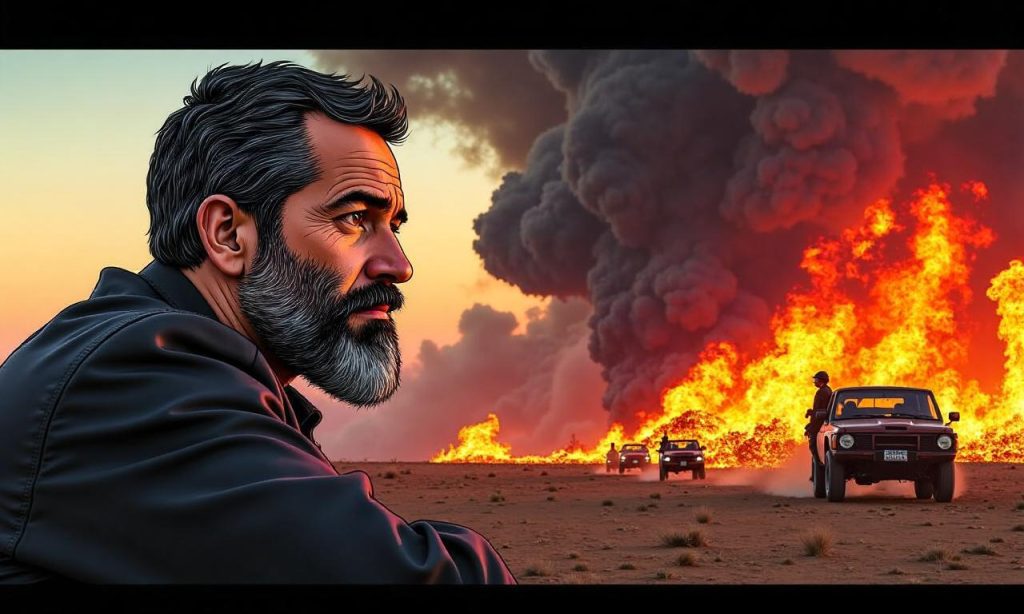
Chris Mason: Iran War Intensifies Government’s Economic Dilemmas
The ongoing conflict in Iran has thrown the UK government into a precarious economic situation, with the International Monetary Fund highlighting the mounting financial pressures. Simultaneously, debates over defense spending have intensified, fueled by recent arguments from figures like former NATO Secretary-General Lord Robertson, who framed the war as proof that military investment must accelerate. Yet, increasing defense budgets is proving challenging in an economy that has been struggling for years.
Rachel Reeves, the chancellor, expressed her frustration in a Mirror interview, stating,
“This is a war we did not start. It was a war we did not want. I feel very frustrated and angry that the US entered this conflict without a clear exit strategy or a defined goal.”
Her anger is understandable, given the existing hurdles she already faces. The war has disrupted progress, undoing the cautious optimism that senior ministers, from Prime Minister Sir Keir Starmer to the top, had begun to express.
As the year turned, the prime minister had declared “we are turning a corner,” pointing to improving economic signals. However, the war’s outbreak shifted this narrative, casting a shadow over earlier gains. A weakened economy now risks a less engaged and possibly discontented public, complicating decisions on public spending. The war in Iran, alongside the conflict in Ukraine, has led to accusations of inefficiency, with Lord Robertson condemning the Treasury for “vandalism” by its non-military experts.
Yet, the Treasury’s role is to oversee fiscal management, and claims of waste in defense spending are not new. Lord Robertson also criticized the Labour government for prioritizing welfare over military preparedness, arguing that “the cold reality of today’s dangerous world is that we can’t defend Britain with our ever-expanding benefits budget.” This summer, the prime minister faced resistance from backbenchers in trying to curb the benefits bill’s growth, a battle that highlighted internal tensions.
Despite these challenges, officials suggest a renewed push to reform the defense funding system may emerge in the future. However, such efforts are politically complex, especially for Labour. The long-anticipated Defence Investment Plan, which was supposed to outline how the Ministry of Defence would fund its needs, was postponed from last autumn. With winter passing and time slipping away, there is still no sign of its release.
These delays underscore the strain the government is under, balancing domestic pressures, international commitments, and fiscal responsibility. When the plan finally arrives, it will likely spark broader discussions. How will this administration and future leaders navigate the trade-offs required to bolster defense while maintaining health and welfare services? Can all three budgets rise together as the tax rate climbs to a historic peak of 38% by 2031? These questions are set to dominate debates for years to come.
