
Gunshots fired in Philippine Senate, where senator wanted by ICC is resisting arrest
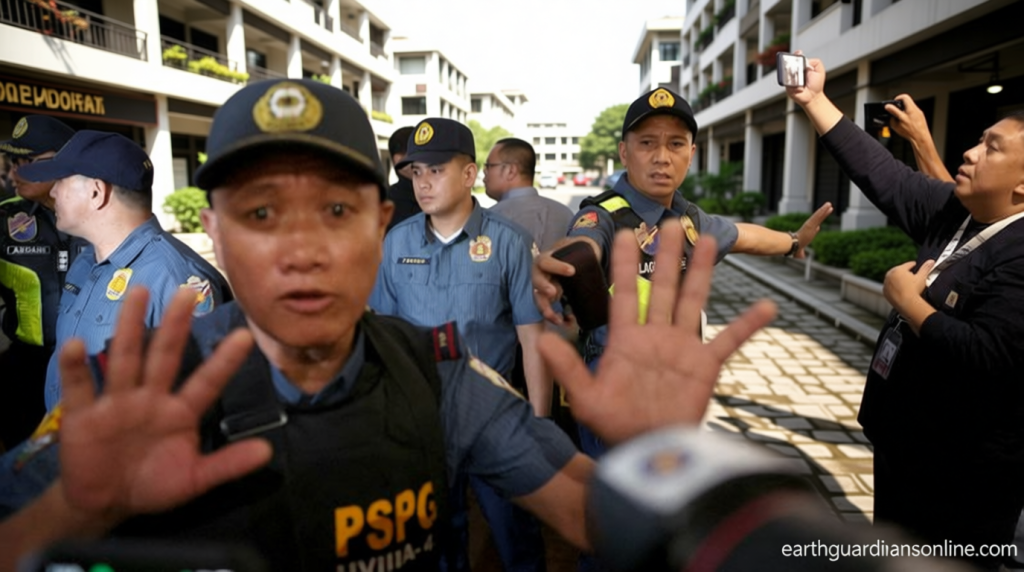
Gunshots Fired in Philippine Senate as ICC-Wanted Senator Resists Arrest
Gunshots fired in Philippine Senate where – Gunshots rang out in the Philippine Senate during a dramatic confrontation on Wednesday, as Senator Ronald Dela Rosa, the ICC’s target, refused to surrender to authorities. The incident, which occurred in the upper floors of the legislative building, escalated when armed individuals attempted to enter the premises. Dela Rosa, a prominent figure linked to former President Rodrigo Duterte’s anti-drug initiatives, remained defiant, leading to a tense standoff. While no injuries were reported, the event has raised questions about the senator’s resistance and the security measures in place within the Senate complex.
Armed Confrontation and Security Measures
The clash began when unknown assailants tried to gain access to the second floor of the Senate, prompting a response from the Office of the Sergeant-at-Arms. A warning shot was fired, causing the attackers to retreat and discharge rounds into the air. Despite the initial chaos, the interior secretary, Jonvic Remulla, confirmed that no federal forces were directly involved. Security personnel were focused on ensuring Dela Rosa’s capture, with the Senate compound under heightened alert following his evasion of local officers earlier in the week.
ICC Charges and Dela Rosa’s Legal Strategy
Senator Dela Rosa faces charges from the International Criminal Court (ICC) for alleged complicity in crimes against humanity during Duterte’s drug war. The warrant, issued on Monday, targets his role in extrajudicial killings between 2016 and 2018. Dela Rosa, who has been stationed within the Senate since the warrant was announced, is now seeking a temporary restraining order from the Supreme Court to delay his arrest. He has argued that the ICC’s decision bypasses due process, emphasizing the need for local judicial review before any detention.
“I am not fleeing from justice, but from an unjust arrest,” Dela Rosa stated in a live-streamed address. “The warrant should be presented to a Philippine court before any action is taken.”
Meanwhile, Senate President Alan Peter Cayetano allowed Remulla to take control of the building, stressing the importance of securing the premises. Cayetano expressed concern over the safety of Senate staff during a Facebook livestream, vowing to protect those inside until the situation is resolved. The security lockdowns, which began earlier this week, have intensified as Dela Rosa’s refusal to leave the Senate compound complicates his legal status.
Political Context and Escalating Tensions
The incident has drawn attention to the political dynamics surrounding Dela Rosa’s case. As a staunch supporter of Duterte, the senator has been a key player in the administration’s drug war, which saw thousands of casualties. The ICC’s involvement highlights the global scrutiny of the campaign, while Dela Rosa’s resistance has sparked debates about the balance between national security and judicial procedures. His defiance has also fueled speculation about potential alliances within the Senate to shield him from prosecution.
“This is not just a personal fight,” Cayetano added during the livestream. “It’s a matter of ensuring that the process is fair and that no one is taken without proper legal grounds.”
President Ferdinand Marcos Jr. has reiterated his government’s commitment to due process, stating that the arrest of Dela Rosa is still under judicial review. The events at the Senate have underscored the complexities of the legal battle, with the senator using the legislative building as a strategic refuge. As the situation unfolds, the role of the Senate in shielding Dela Rosa from ICC enforcement continues to dominate headlines, raising broader questions about the country’s legal system and international obligations.
