
Big lessons the US can learn from a country with one of the fastest-growing lifespans
Big Lessons the US Can Learn from a Country with One of the Fastest-Growing Lifespans
Big lessons the US can learn – As part of CNN’s Original Series “Kara Swisher Wants to Live Forever,” the journalist delves into the world of life extension, examining how individuals and societies are working to increase longevity. The fifth episode, scheduled for broadcast at 9 p.m. ET Saturday, offers insights into the strategies that may hold the key to healthier, longer lives. One nation that stands out in this pursuit is South Korea, where life expectancy has surged rapidly, surpassing many developed countries in recent decades.
Shifting Tides in Life Expectancy
In the 1980s, the U.S. held a moderate position regarding life expectancy among developed countries. However, over the past few decades, a significant gap has emerged. While global life expectancy has risen steadily, the U.S. has slipped to the lower end of the spectrum. Meanwhile, South Korea has seen a remarkable increase of 7.94 years in average lifespan from 2000 to 2021, according to the World Health Organization. This divergence highlights the importance of examining what makes South Korea’s approach to longevity so effective.
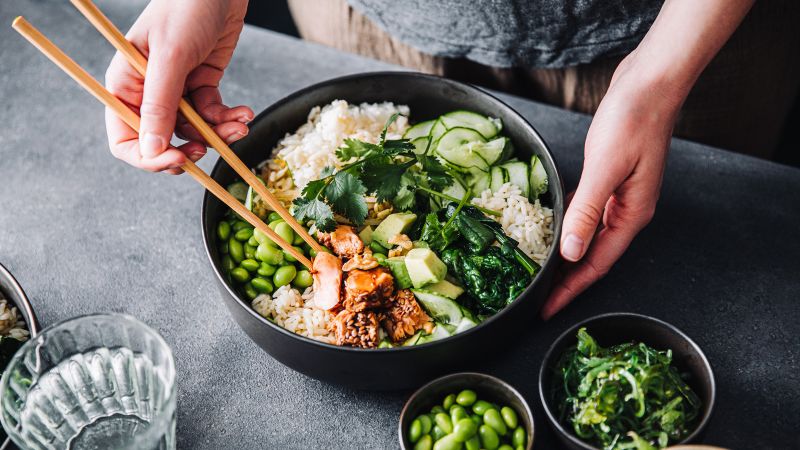
South Korea’s success in extending lifespans is not accidental. It stems from a combination of cultural habits, public policies, and societal attitudes toward health. For instance, the nation’s school lunch program plays a critical role in shaping dietary habits from an early age. During a visit to a South Korean school, Swisher observed students consuming a variety of nutrient-rich foods, including lettuce wraps, radish-chive salad, and seasonal fruits. These meals, designed by school nutritionists, are not only calorie-controlled but also serve as educational tools, teaching children about balanced nutrition through daily practice.
Breaking Bad Eating Habits
The U.S. lags behind in fostering healthy eating patterns, particularly among young children. A 2023 study by the Centers for Disease Control and Prevention revealed that nearly half of children aged 1 to 5 fail to consume a daily vegetable, while a third skip fruit altogether. This trend is exacerbated by the fact that 3 in 5 families rely on short-order cooks to prepare meals for finicky eaters. In contrast, the South Korean system emphasizes consistent, culturally integrated nutrition, ensuring that children develop lifelong healthy habits.
Adults in the U.S. face similar challenges. A 2025 report found that nearly 50% of American adults follow a diet lacking in essential nutrients. This is measured against the American Heart Association’s primary diet score, which prioritizes whole grains, fresh produce, and minimally processed foods. Diets like the MIND (Mediterranean-DASH Intervention for Neurodegenerative Delay) and Mediterranean eating patterns, both rich in fruits, vegetables, and healthy fats, have been linked to extended lifespan and reduced cognitive decline. Yet, many Americans remain unaware of these benefits, relying on convenience rather than nutrition.
The Role of Social Engagement and Activity
Health professionals emphasize that longevity is not solely about diet. Dr. Geon-Ha Kim, a neuroscientist at Ewha Womans University Medical Center, notes that physical exercise, social interaction, and mentally stimulating activities are pivotal for maintaining cognitive health. South Korea’s “SuperAgers”—older adults who retain mental sharpness well beyond their years—often attribute their vitality to active lifestyles and strong community ties. For inspiration, Swisher turned to Park Mak-rye, a 79-year-old social media star known as “Korea Grandma,” who shares her routines online.
“I’m with friends laughing all day. There’s no room for sickness,” Park said.
Park’s regimen includes a blend of traditional and modern practices, such as home-cooked meals, skincare routines, and regular physical activity. Her approach underscores the value of integrating health into daily life, rather than treating it as a separate endeavor. This philosophy aligns with broader research: studies indicate that regular exercise, which elevates heart rate and breathing, can lower the risk of early death by up to 40%. Conversely, social isolation and loneliness are associated with a 32% increased risk of premature mortality, according to a 2023 analysis.
Engaging with arts and culture also appears to play a role in slowing the aging process. Recent research published this week suggests that participation in creative activities may enhance cognitive resilience and overall well-being. These findings reinforce the idea that health is a multifaceted pursuit, requiring both personal discipline and societal support.
Healthcare Systems: Prevention vs. Treatment
A key distinction between South Korea and the U.S. lies in their healthcare systems. Hieun Shin, an Agence France-Presse journalist covering South Korea’s social and cultural landscape, highlighted that the country’s approach emphasizes prevention over reactive treatment. “No one wants to pay for prevention,” remarked Dr. Karen Studer, chair of the department of preventive medicine at Loma Linda University School of Medicine. In the U.S., physicians are often reimbursed more for procedures like heart bypass surgery than for addressing lifestyle factors that could prevent such conditions.
In South Korea, healthcare professionals are routinely engaged, whether for minor ailments or chronic conditions. This proactive mindset is evident in the nation’s emphasis on regular check-ups and preventive care. By prioritizing early intervention, South Korea reduces the burden of disease and extends healthy life expectancy. Such a system not only improves individual outcomes but also lowers long-term healthcare costs, creating a sustainable model for other nations to adopt.
Swisher’s exploration of these differences reveals a broader lesson: longevity is achievable through consistent, accessible efforts. From school nutrition programs to community-driven health practices, South Korea demonstrates that small, systemic changes can yield significant results. As the U.S. grapples with rising healthcare expenditures and declining life expectancy, adopting these principles could offer a path forward. The challenge lies in translating these insights into policy and cultural shifts that prioritize health as a collective goal.
By analyzing the factors that contribute to South Korea’s success, the U.S. can identify actionable steps to improve its own health trajectory. Whether through dietary reform, increased physical activity, or a focus on preventive care, the lessons learned from this East Asian nation provide a roadmap for fostering longer, healthier lives. As Swisher’s journey shows, the key to longevity may not be a single breakthrough but a combination of habits and systems that support it daily.
