
The cost of living in the US weighs on Latino voters as economic discontent grows
The Cost of Living in the US Weighs on Latino Voters as Economic Discontent Grows
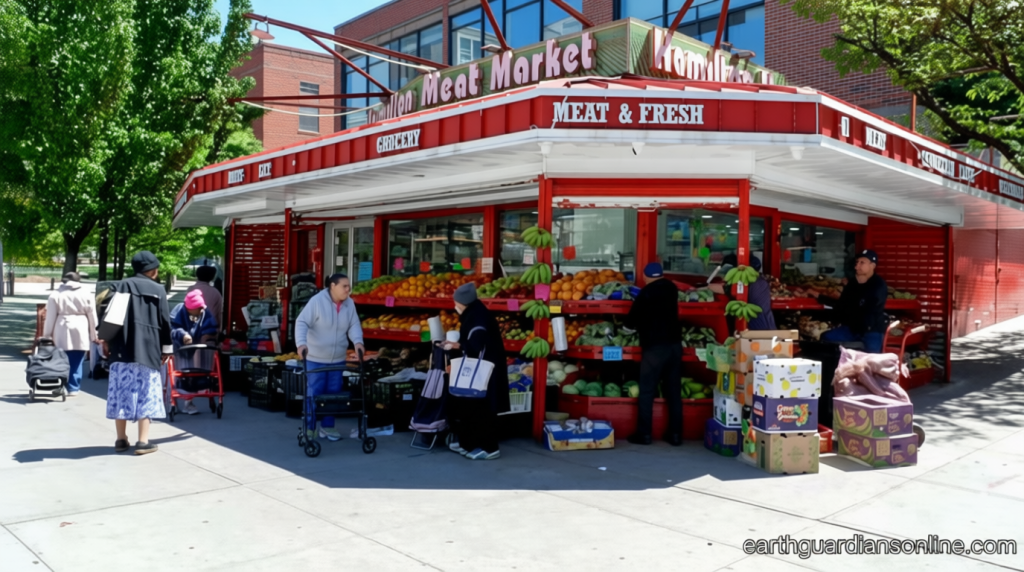
The cost of living in the US – For many Latinos across the United States, the rising cost of everyday essentials is transforming the way they manage their finances, even as broader economic indicators hint at stability. This growing pressure is not just a number on a spreadsheet—it’s a lived reality that’s shaping political priorities and voter sentiment in key states. As inflation continues to climb and basic expenses outpace income growth, families like Esmeralda Roustand’s are feeling the strain. Her frustration at a New York Latino supermarket highlights a common struggle: the same groceries that once filled a shopping cart now fit into a small bag. “It’s like you’re carrying the weight of the entire economy in your hands,” she said, holding a modest haul of two orange juices and a chicken meal with green bananas.
Hardship Beyond the Checkout Line
Roustand, a 60-year-old grandmother from the Dominican Republic, works as a home health aide and sends part of her paycheck to support her family back home. Yet, despite her efforts, she finds it increasingly difficult to balance her own needs with those of her loved ones. “No matter how much you stretch your money, it just isn’t enough anymore,” she explained. Her story mirrors that of countless others in the Latino community, where inflation and housing costs are pushing individuals to rethink their spending habits. For many, the burden isn’t just about buying groceries—it’s about surviving in a city where rent has surged and transportation is a constant expense.
Juan Galván, a young college student in New York, echoed this sentiment. “Every month, I have to decide whether I can afford to eat out or cover rent,” he said. “I’ve had to cut back on social outings, staying inside just to make ends meet.” His experience reflects a broader shift in how Latinos navigate financial uncertainty. Instead of planning for leisure or family gatherings, they’re prioritizing essentials, often at the expense of personal comfort. “You can’t afford to go out with friends because the money you save on groceries doesn’t compensate for the cost of a single meal outside,” Galván added.
Broader Concerns and Poll Data
The challenges faced by Latino voters are part of a larger national conversation. A recent CNN poll reveals that inflation and the cost of living remain among the top issues for Americans ahead of the midterm elections. Nearly 70% of respondents disapprove of President Donald Trump’s economic policies, while over 70% express dissatisfaction with his handling of inflation and gas prices. These figures underscore a widespread sense of unease, but for Latinos, the impact is particularly acute.
According to the latest Consumer Price Index from the Bureau of Labor Statistics, annual inflation reached 3.8% in April, its highest level in nearly three years. Meanwhile, the national average price of gasoline has surpassed $4.50, as reported by AAA. For Latinos, these numbers translate to real struggles. Michael Negrón, a senior fellow at the Center for American Progress and former White House economic adviser under President Joe Biden, notes that inflation disproportionately affects the community. “Hispanic households allocate a larger portion of their income to food and energy, which are the sectors experiencing the most rapid price increases,” he said. This dynamic leaves less room for savings or discretionary spending, compounding the financial stress many face.
Negrón also highlighted the unique challenges of transportation. “Latino families often rely more heavily on cars and travel longer distances to reach work, making them more vulnerable to gas price spikes,” he explained. When fuel costs rise by 40% or 50%, it’s not just a burden for individuals—it’s a ripple effect that impacts entire communities. “This creates a cycle where rising costs force people to work longer hours, but their wages don’t keep pace,” he said, emphasizing that the combination of high food, energy, and housing expenses has created a significant strain on Latino households.
Changing Consumer Habits
At Hamilton Meat Market in Upper Manhattan, José Rosario, a seven-year employee, has observed a noticeable shift in how customers shop. “Before, $100 could fill up a cart. Now, people are carrying only what they can afford,” he said. This change is not just about budgeting—it’s about survival. Rosario pointed to specific examples, like papaya, which has doubled in price from 99 cents to $1.99 per pound. “Some customers ask to have it cut into smaller portions so they can buy just a few pieces,” he explained. Similarly, lemons that once cost five for a dollar now come two for a dollar, forcing shoppers to make difficult choices.
These adjustments are more than just practical—they’re emotional. For many, the sense of economic security that once allowed them to enjoy simple pleasures is slipping away. “It’s like every time you go to the store, you’re not just buying groceries—you’re buying worry,” said María Sofía González, an Ecuadorian mother who feels the impact of high living costs in her daily life. She described how the financial strain has altered family traditions. “We used to take our kids to the park or go out for meals together, but now we’re skipping those moments because we can’t afford to,” she said. Even small, routine activities have become sources of tension, as families prioritize essentials over recreation.
The Ripple Effect on Political Sentiment
While economic indicators may show resilience, the tangible effects of inflation are driving discontent among Latino voters. For this community, the cost of living is not an abstract concept—it’s a daily battle that shapes their views on leadership. “When the president’s policies lead to rising gas prices and unaffordable housing, it’s hard not to feel that the economy is working against them,” Negrón said. This sentiment aligns with the CNN poll’s findings, which reveal a strong majority disapproving of Trump’s economic stewardship. The data suggests that Latinos are not only concerned about their personal finances but also about the broader direction of the country’s economy.
Experts warn that the disproportionate impact of inflation on Latino communities could influence election outcomes. “Latinos are being hit hardest by the rising costs of food, energy, and housing, which are the pillars of their budgets,” Negrón explained. “If these pressures continue, it could shift political support toward candidates who promise tangible relief.” The connection between economic hardship and voter behavior is clear: when people are struggling to afford basics, they’re more likely to seek change. This trend is especially pronounced in urban areas like New York, where the cost of living is highest.
The phrase “Every day you spend more for less” has become a common refrain among Latino consumers. It captures the essence of their experience in a time of economic uncertainty. For many, the feeling of being priced out of their own lives is a growing source of frustration. “You can’t just walk into a store and feel like you’re getting value for your money anymore,” said Rosario, who has seen the shift firsthand. This sentiment is echoed by others, who describe how their purchasing habits have been forced to adapt in response to inflation. “You used to buy a week’s worth of groceries with a single trip, but now it feels like you’re just scraping by,” Galván said.
As the cost of living continues to rise, the story of Latino Americans is one of resilience and adaptation. Yet, the weight of these challenges is undeniable. For families like Roustand’s, the struggle to make ends meet has become a defining feature of their lives. And for the broader community, this economic reality is shaping political discourse in ways that reflect their priorities. “It’s not just about prices—it’s about how the economy is affecting people’s ability to live and thrive,” Negrón concluded. With inflation climbing and essential costs outpacing wages, the fight for economic stability is more urgent than ever, and Latino voters are at the center of this growing movement for change.
