
Tilda Swinton, Demi Moore and Stella Maxwell: The best closing looks from Cannes Film Festival
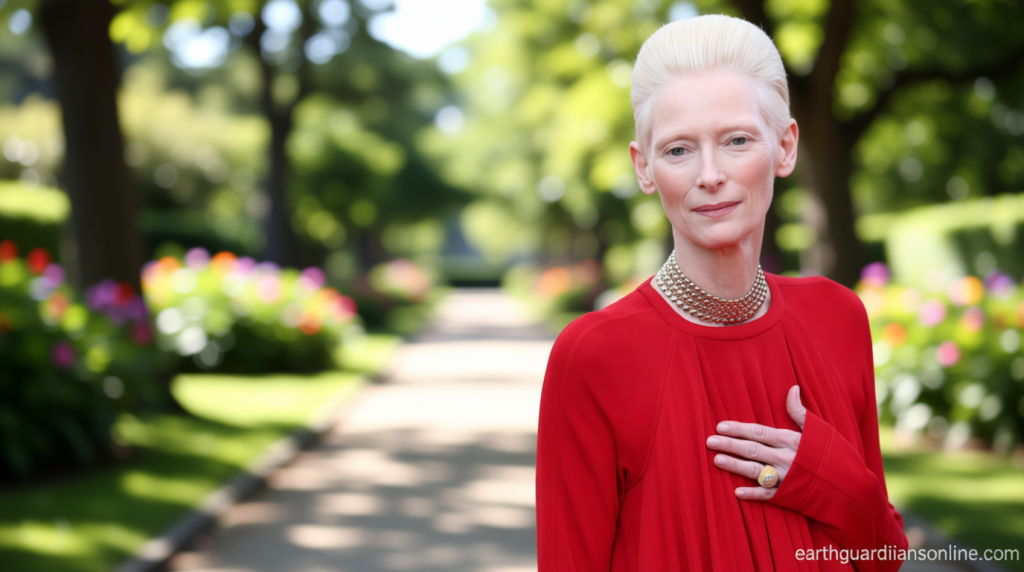
Cannes Film Festival 2026: A Fashion Showcase of Global Diversity and Bold Creativity
Tilda Swinton Demi Moore and Stella – The 79th Cannes Film Festival wrapped up its 12-day run on Saturday, leaving behind a trail of cinematic brilliance and sartorial innovation. While the competition for the Palme d’Or highlighted diverse storytelling, the closing ceremony’s red carpet became a stage for fashion that defied the conventions of past years. This edition of the iconic event, held on the sun-drenched French Riviera, saw a noticeable departure from the sleek, traditional glamour that once dominated the Croisette. Instead, it embraced a more eclectic aesthetic, reflecting the festival’s broader shift toward global narratives and avant-garde styles.
The International Spotlight on Red Carpet Elegance
This year’s Cannes leaned into its reputation as a platform for international cinema, with European and Asian directors taking the spotlight. Names like Pedro Almodóvar, Nicolas Winding Refn, and Ryusuke Hamaguchi brought a new dimension to the festival, and their presence seemed to influence the fashion choices of attendees. Where the 2025 edition featured the premiere of “Mission: Impossible” in a sleek, high-fashion display, 2026’s closing night felt more about cultural fusion and experimental design. The red carpet became a canvas for bold statements, with stars choosing looks that echoed the artistic visions of the films they were promoting.
The competition saw only two American entries, a stark contrast to previous years. Ira Sachs’ “The Man I Love,” starring Rami Malek, and James Gray’s “Paper Tiger,” featuring Scarlett Johansson, Adam Driver, and Miles Teller, were among the few Hollywood offerings. Ultimately, Cristian Mungiu’s “Fjord” took home the top prize, a Norwegian-set drama exploring political divides and the nuanced cultural contrasts within Europe. The film’s success underscored the festival’s growing emphasis on storytelling that transcends borders, which in turn may have inspired a more international flavor in the fashion choices of its participants.
Stars Embrace Avant-Garde Styles Amidst the Red Carpet Shift
As the festival progressed, the red carpet increasingly showcased a departure from the usual sparkle. Stars opted for looks that were as unconventional as the films they represented, with many embracing edgy silhouettes and unique textures. Ruth Negga emerged as a standout in this trend, effortlessly blending elegance with creativity. Her ensemble choices ranged from a haute couture fringed Dior slip dress to an Ami tuxedo suit, proving that versatility is a valuable asset in the world of high-profile fashion.
Chloé Zhao, director of “Hamnet,” also made a memorable impression. If red carpet fashion were an Olympic sport, her selections would have secured a gold medal. Zhao’s wardrobe featured a series of off-beat gowns, each with its own distinctive character. Tassled hemlines, hooded designs, and ruffled details became her signature, but her most striking look was a tailored skirt suit from Schiaparelli’s latest couture collection. The suit’s shoulders were adorned with organza spikes, inspired by the scales of a blowfish. This design not only highlighted Zhao’s ability to push boundaries but also underscored the festival’s embrace of artistic risks.
John Travolta’s Directorial Debut and a Nod to Tradition
John Travolta, a veteran of the red carpet, added a unique touch to the event by making his directorial debut. His film “Propeller One-Way Night Coach” was a collaborative effort, and Travolta’s presence as a filmmaker brought a new layer of meaning to his fashion choices. For the closing ceremony, he arrived in a variety of berets, a deliberate nod to the classic styles worn by older generations of directors. “The old-school directors wore berets,” he told CNN. “And I said, that’s what I’m doing.” Travolta’s decision to embrace this traditional accessory was both a tribute to the past and a symbol of his transition from actor to auteur.
The White Lotus: A Satirical Interlude on the Croisette
While the main competition concluded with its awards, the red carpet remained a vibrant hub of activity. Season four of Mike White’s HBO series “The White Lotus,” set against the backdrop of the Cannes Film Festival, continued to film on the very stage where stars showcased their latest looks. The show, known for its sharp wit and satirical take on the wealthy elite, found itself in an amusing position: its cast and crew were literally walking the line between reality and fiction. Filming scenes on the hallowed red carpet, the series’ creators turned the event into a backdrop for their own brand of cinematic storytelling, blending humor with the grandeur of the festival.
Though the main event concluded, the festival’s influence on fashion lingered. The closing night’s outfits were not just about aesthetics but also about representing the themes of the films on display. From the dramatic silhouettes to the playful accessories, each look seemed to mirror the creative spirit of the cinema itself. The blend of tradition and innovation on the red carpet reflected the broader narrative of Cannes 2026 — a celebration of global voices and bold artistic expression.
Unconventional Choices and Timeless Icons
The festival’s red carpet also served as a testament to the versatility of its attendees. While some stars leaned into the whimsy of the moment, others opted for more subdued yet impactful designs. The choice of attire was often as much about personal identity as it was about the film’s message. For example, Tilda Swinton and Demi Moore, both revered for their distinctive styles, brought their own flair to the closing night. Swinton’s ethereal presence was complemented by her choice of a flowing, asymmetrical gown, while Moore’s look was a masterclass in understated sophistication.
Stella Maxwell, a rising star in the fashion world, also made waves with her appearance. Her outfit, a sleek and modern piece from a lesser-known designer, captured the essence of the festival’s evolving aesthetic. The combination of high fashion and cinematic influence created a unique atmosphere, where the line between film and fashion blurred. This year’s red carpet was not just about the clothes but about the stories they told — stories that were as diverse as the films themselves.
As the sun set on Cannes 2026, the closing ceremony became a defining moment in the event’s history. It was a night where the traditional red carpet was reimagined, with stars choosing looks that were both daring and meaningful. The festival’s legacy as a cultural beacon was reaffirmed, not only through the films it celebrated but also through the fashion that adorned its participants. This year’s edition was a reminder that the Cannes Film Festival is as much about visual storytelling as it is about cinematic innovation.
A Legacy of Style and Substance
From the beginning to the end, Cannes 2026 demonstrated that the red carpet is more than just a platform for glitz and glamour. It is a space where individuality and artistry converge, creating a unique blend of fashion and film. The choices made by stars like Ruth Negga, Chloé Zhao, and John Travolta reflected a deeper understanding of the event’s role as a cultural phenomenon. Their outfits were not mere accessories but extensions of their personalities and the films they represented.
As the festival’s 12-day run drew to a close, the closing night’s fashion choices became a highlight of its legacy. The red carpet, once a symbol of Hollywood’s dominance, now serves as a stage for a more inclusive and diverse celebration of creativity. Whether through the bold designs of haute couture or the understated elegance of a tailored suit, the stars of Cannes 2026 proved that fashion, like film, is a medium for storytelling. This year’s edition will be remembered not only for its cinematic achievements but for the way its attendees redefined the aesthetics of the red carpet in a global, avant-garde light.
