
‘Mind-bogglingly crazy’: Europe’s deadly, early heatwave is smashing records
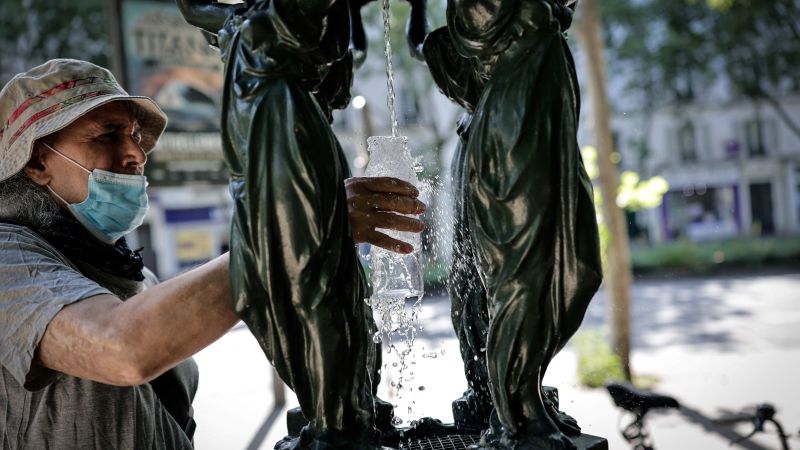
Europe’s Unprecedented Heatwave Sparks Climate Concerns
Mind bogglingly crazy – Europe is currently enduring a historic heatwave that has shattered temperature records earlier in the year than ever before. From the United Kingdom to France, the continent is experiencing extreme heat, with conditions in some regions reaching levels typically associated with summer months. This early surge in temperatures has raised alarms among scientists and officials, who warn that such weather patterns are becoming increasingly common due to the accelerating climate crisis.
The Role of Heat Domes in Intensifying Heat
A key factor contributing to this heatwave is the formation of a heat dome, a high-pressure atmospheric system that acts like a lid, trapping warm air and creating a feedback loop of rising temperatures. These phenomena, which can persist for days or weeks, are becoming more frequent and severe, partly because of human-driven climate change. As the Earth’s average temperature continues to climb, heat domes are expected to intensify, leading to prolonged periods of extreme weather.
Monday marked a significant milestone for the UK, as it recorded its highest May temperature ever, hitting 34.8°C (94.6°F) at Kew Gardens in London. This broke the previous record by 2°C, an unusually large margin. By Tuesday, the temperature had climbed further, reaching 35°C (95°F), a stark contrast to the region’s average high of around 20°C (68°F) in late May. Such rapid temperature spikes are not just unusual but also alarming, as they signal a shift in the continent’s climate norms.
The heatwave has already begun to impact daily life. In Edinburgh, a wildfire erupted near Arthur’s Seat, a hill in Scotland, while residents in southeast England faced water shortages as demand for cooling surged. The UK’s prolonged exposure to heat is particularly concerning because many homes lack adequate insulation, and only about 5% are equipped with air conditioning. Even small temperature increases can create dangerous conditions, especially during nighttime hours when heat persists.
Heat-Related Mortality and Unprecedented Events
As the heatwave continues, its consequences are becoming more evident. In France, officials reported that seven deaths have been directly or indirectly tied to the extreme conditions, including at least five from drowning and fatalities linked to heat during sports activities. A 53-year-old man died during a running event in Paris, while a woman succumbed to heat at a Hyrox sports event in Lyon. Though the exact cause of these deaths remains under investigation, they highlight the growing risk of heat-related illnesses.
France’s Minister of Sports, Marina Ferrari, emphasized the need for heightened awareness, stating that the incident was “a stark reminder that exercising in extreme heat demands absolute vigilance.” Meanwhile, Spain is also grappling with record-breaking temperatures, with southern regions forecasted to reach up to 40°C (104°F) by the latter half of the week. These conditions underscore the widespread nature of the crisis, as multiple European countries face similar challenges.
Climate Change Accelerates Heatwave Intensity
Experts attribute the severity of these heatwaves to climate change, which is increasing the likelihood of extreme weather events. According to the UK’s Climate Change Committee, the country was “built for a climate that no longer exists,” a statement reflecting the gap between historical weather patterns and current realities. Stephen Dixon, a spokesperson for the Met Office, noted that what was once a 1-in-100-year event is now occurring roughly every 33 years, emphasizing the rapid transformation of Europe’s climate.
Peter Thorne, director of the ICARUS Climate Research Centre at Maynooth University, echoed these concerns, stating that “heat wave events such as this have been made more likely and more severe due to climate change.” He described the recent temperature extremes as “mind-bogglingly crazy,” highlighting the disconnection between current conditions and past expectations. Such records are not isolated incidents but part of a larger trend that scientists predict will continue as global temperatures rise.
Historically, heatwaves in Europe have been more common during the summer months. However, this year’s event is occurring in May, a month typically associated with milder weather. The combination of a heat dome and climate change has created a perfect storm, pushing temperatures beyond normal ranges. This phenomenon is not limited to the UK and France; it is affecting the entire continent, with some regions experiencing heat levels that are 10 to 15°C (18 to 27°F) above average.
El Niño and Future Projections
Looking ahead, the potential for even more extreme conditions is growing. The emerging El Niño climate pattern, which can elevate global temperatures, is expected to compound the effects of the current heatwave. Scientists warn that such events will become the norm rather than the exception in the coming years, with Europe poised to lead the way in experiencing the most intense warming trends.
While 2026 may set a new benchmark for heat, it is unlikely to match the record-breaking year of 2024, during which over 62,000 people died from heat-related causes across Europe. However, the trajectory of global warming suggests that future summers will be hotter and more dangerous than any recorded in the past. The heatwave serves as a sobering reminder of the climate crisis, with its impacts already visible in the form of wildfires, water shortages, and deadly heat events.
As temperatures soar, the need for adaptation becomes more urgent. The UK and France, in particular, are facing unique challenges due to their infrastructure and building standards. Without significant investment in cooling systems and climate resilience, the continent may struggle to mitigate the worst effects of rising heat. The current event is not just a one-time anomaly but a harbinger of what to expect in the years to come.
In the face of these challenges, the scientific community remains unified in its warnings. Climate change is not only increasing the frequency of heatwaves but also their intensity, making them more likely to cause irreversible damage. The 2026 heatwave, though severe, is projected to be one of the coolest years in Europe’s history, a sobering thought given the scale of the crisis. As the planet continues to warm, the need for action grows, with Europe at the forefront of a global transformation in climate patterns.
A Call for Urgent Action
The current heatwave underscores the critical importance of addressing climate change. While the immediate effects are devastating, the long-term consequences could be even more severe. Scientists stress that without reducing greenhouse gas emissions and investing in climate adaptation strategies, Europe will continue to face increasingly dangerous weather events. The recent record-breaking temperatures and deadly incidents serve as a wake-up call, demanding immediate and sustained efforts to combat the escalating climate emergency.
