
‘It’s insulting’: Ferrari fans have given their verdict on its first electric car, and it’s not good
‘It’s insulting’: Ferrari fans have given their verdict on its first electric car, and it’s not good
Unveiling and Immediate Backlash
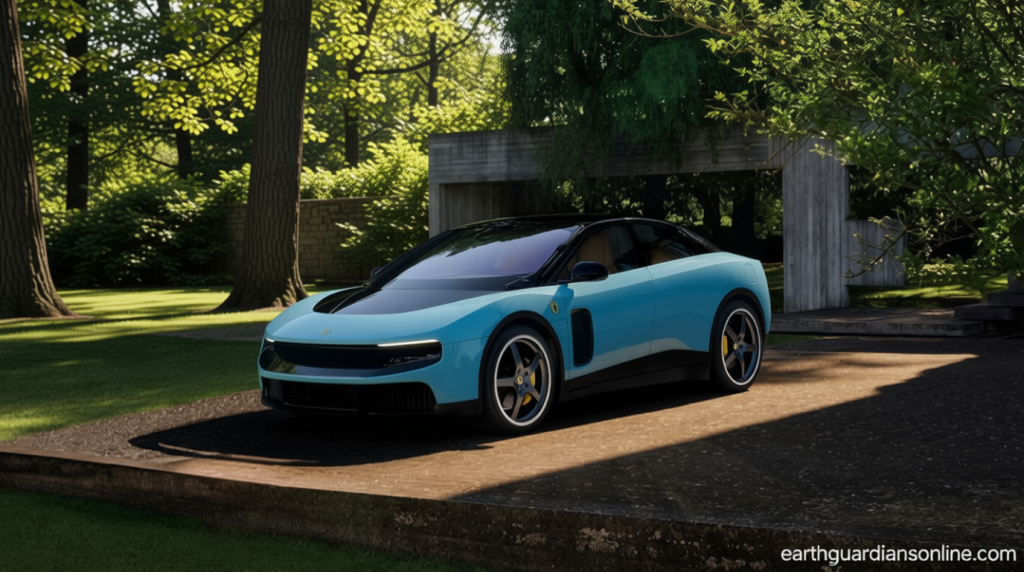
It s insulting – Ferrari’s debut in the electric vehicle market has sparked a wave of criticism from its loyal fanbase, with many expressing dismay over the design and pricing of the company’s first five-seater model, the Luce. Unveiled earlier this week, the vehicle has been met with skepticism, particularly regarding its appearance and the perceived value it offers to traditional Ferrari enthusiasts. The brand, long celebrated for its iconic sports car aesthetics, now faces scrutiny for a model that some argue diverges from its heritage, raising questions about its ability to maintain its elite status in the automotive world.
Aesthetic and Price Concerns
Among the most vocal criticisms is the Luce’s resemblance to the Nissan Leaf, a compact electric car known for its no-frills design and affordability. While the Leaf has served as a reliable and accessible option for eco-conscious drivers, its utilitarian look has been deemed unbecoming for a high-end supercar, according to some fans. The Luce, priced at $640,000, also faces accusations of being overpriced, with critics suggesting that its cost could deter potential buyers who may associate the brand with luxury rather than practicality. This perception has been amplified by the car’s bubbly exterior, which some view as a departure from Ferrari’s signature sharp lines and dynamic curves.
Expert Reactions and Design Criticism
British car magazine Auto Express has described the Luce as the “Apple car that no one wanted,” drawing a parallel to the design approach of former Apple chief Jony Ive, whose team contributed to the vehicle’s development. The comparison highlights a perceived disconnect between the Luce’s modern, minimalist look and the rugged, performance-driven image that has defined Ferrari for decades. “It’s insulting to those of us that have these cars,” remarked US automotive expert Lauren Fix during a segment on CNN’s Quest Means Business. She added that the Luce’s design felt unoriginal, stating, “It looks like a Nissan Leaf,” a model that costs less than a tenth of the Luce’s price. Fix’s comments reflect a broader concern that Ferrari may have prioritized electric mobility over the emotional appeal that has historically set its cars apart.
“I’m a Ferrari owner, so I will tell you, it’s insulting to those of us that have these cars.” – Lauren Fix, US automotive expert
Italian transport minister Matteo Salvini echoed similar sentiments on social media, labeling the Luce as “outrageously expensive (550,000 euros!)” and noting that its aesthetic fails to capture the essence of the prancing horse. His critique suggests that even within Italy, where Ferrari is a national symbol, the new model is struggling to resonate with its core audience. Salvini’s post on X underscores the frustration of fans who see the Luce as a departure from the brand’s storied legacy of craftsmanship and performance. “It looks like anything but a car from the prancing horse,” he wrote, emphasizing the emotional impact of the design on Ferrari’s identity.
Technical Features and Brand Evolution
While the Luce’s appearance has drawn ire, its technical specifications aim to address the demands of a new era. The car features four electric motors, delivering a top speed of 190 mph and a range exceeding 300 miles, positioning it as a serious contender in the electric supercar category. To preserve the Ferrari driving experience, the Luce also includes artificial engine vibrations and sound, a nod to the brand’s commitment to mimicking the thrill of internal combustion engines. These innovations reflect Ferrari’s attempt to bridge the gap between traditional performance and modern sustainability, yet they may not be enough to win over critics who remain fixated on the car’s visual appeal.
Market Response and Investor Doubts
Ferrari’s stock performance has mirrored the public’s mixed reaction. The day after the Luce’s unveiling, its shares fell more than 8% on the Milan stock exchange, signaling investor unease about the brand’s pivot toward electrification. However, some analysts argue that the decline is not insurmountable. Horst Schneider, head of European automotive research at Bank of America, noted that the primary focus of the backlash is whether the Luce still feels like a Ferrari. “The risk to the company looks manageable given its broader line-up,” Schneider said, suggesting that the brand’s existing portfolio could help cushion any financial setbacks. Despite this, the Luce’s design and price tag continue to weigh heavily on its market viability.
“Outrageously expensive (550,000 euros!) and, from aesthetic point of view, it speaks for itself… It looks like anything but a car from the prancing horse.” – Matteo Salvini, Italian transport minister
The Luce’s unveiling marks a pivotal moment in Ferrari’s history, as the company transitions from its traditional focus on gasoline-powered sports cars to a more diversified approach. This shift is not without challenges, as the brand must now compete with both legacy manufacturers and emerging electric startups. The Luce’s four-motor setup and high-speed capabilities are designed to meet the expectations of a new generation of drivers who prioritize eco-friendly technology without compromising performance. Yet, its success hinges on whether these advancements can overcome the cultural and emotional ties fans
