
Iran promises ‘utter ruin’ if war restarts. Here’s what could happen if diplomacy fails
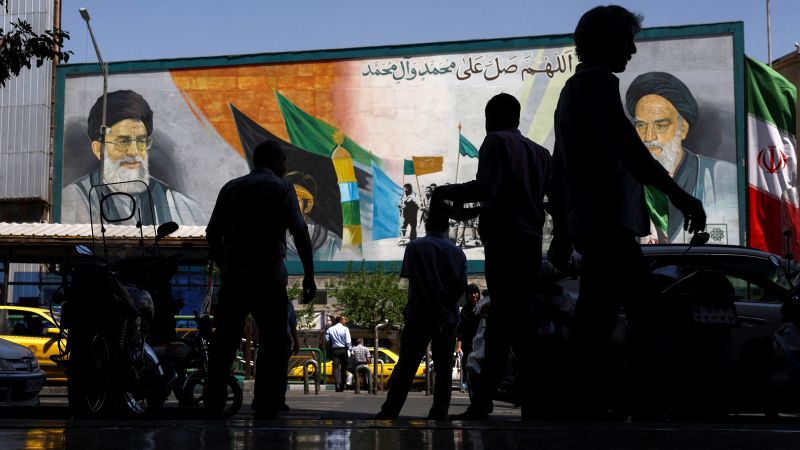
Tehran’s New Threat: A War That Could Reshape Global Trade
Iran promises utter ruin if war restarts – As diplomatic talks between the United States and Iran approach a potential breakthrough, Tehran has begun to hint that any renewed conflict would carry far greater consequences than the previous 40-day war. While U.S. officials announced on Thursday that a draft agreement had been finalized and was pending approval from President Donald Trump, the military standoff between the two nations shows no signs of abating. This week, the U.S. executed its second set of strikes against Iranian targets within days, and skirmishes in the Strait of Hormuz continued into the evening hours. Despite these tensions, Iranian leaders are leveraging the negotiations to reinforce their belief in the country’s readiness to escalate the situation if talks fall through.
A Strategic Gambit with the Houthis
Iran’s military has positioned itself as a formidable force, with the Revolutionary Guards issuing stark warnings that any new conflict would extend well beyond the Middle East. “This war would reach places even opponents cannot foresee,” one official said, emphasizing the potential for devastating global impact. The previous conflict saw Iran strike U.S. bases, Israeli cities, and energy infrastructure in Gulf states, while simultaneously disrupting maritime traffic through the Strait of Hormuz and causing a global energy crisis. Now, with the Houthis in Yemen serving as a proxy, Tehran aims to broaden its reach and create a second critical chokepoint for international trade.
“Tehran’s strategy hinges on using regional allies to control key shipping routes,” said Umud Shokri, an energy strategist and senior visiting fellow at George Mason University. “A simultaneous blockade of both the Strait of Hormuz and the Bab al-Mandeb Strait could cripple energy flows and trade networks, pushing oil prices and inflation to dangerous levels.”
During the ceasefire period, Iran’s armed forces reportedly intensified their preparations, rebuilding capabilities to a “high level” of readiness, according to Mohammad Bagher Ghalibaf, the nation’s lead negotiator. This posture is meant to signal that even if diplomacy fails, Iran has the tools to strike back with significant force. However, analysts caution that while the rhetoric is designed to deter further U.S. action, the actual options for escalation may be more nuanced than the threats suggest.
The Global Economic Leverage of Maritime Blockades
Historically, Iran has relied on economic disruption to counter U.S. military pressure. By blocking the Strait of Hormuz, the country managed to cut off a vital artery for oil transportation, sending shockwaves through global markets. Now, with the Houthis, Iran seeks to replicate this strategy in a different location. The Bab al-Mandeb Strait, which connects the Red Sea to the Gulf of Aden, is a critical route for maritime trade between Europe, Asia, and the Arab world. If Iran succeeds in orchestrating a blockade there, it could amplify the economic toll on nations dependent on these routes.
While the Bab al-Mandeb is not under direct Iranian control, the Houthis have already demonstrated their ability to disrupt shipping in the region. In 2024, their attacks in Yemen led to a sharp decline in oil shipments through the strait, reducing the volume from over 10% of the world’s seaborne oil trade to near-zero for liquefied natural gas. This precedent suggests that Iran could once again use regional allies to create a crisis that strains global energy supply chains. “The Houthis have shown they can paralyze movement in Bab al-Mandeb, but sustaining a full-scale blockade would require sustained coordination and international support,” Shokri added.
Escalation Scenarios: From Oil Infrastructure to Regional Conflict
Should Trump approve a targeted strike on Iran’s oil refineries, infrastructure, or electrical plants, Tehran’s response could escalate dramatically. According to Ahmad Bakhshayesh Ardestani, a member of Iran’s national security committee, the country would retaliate by striking oil wells in Gulf Arab states—targeting the source of energy rather than just pipelines or processing facilities. This shift would mark a more aggressive escalation, aiming to cripple the region’s ability to supply oil to global markets.
Such an attack could trigger a broader regional conflict, with Iran using its allies to strike sensitive targets in neighboring countries. The goal would be to sow economic chaos, undermine trust in energy markets, and damage the reputation of Gulf states as reliable trade hubs. “If Iran can disrupt both energy and maritime corridors simultaneously, the global economy could face a dual crisis,” Shokri explained. “This would not only raise oil prices but also increase costs for goods and services worldwide.”
The Human Cost: 13 U.S. Service Members Killed
Behind the geopolitical maneuvering lies a human cost. Thirteen U.S. military personnel have lost their lives in the conflict with Iran, each representing a unique story of bravery and sacrifice. These casualties underscore the stakes of the war, which has already tested the limits of military endurance. While the exact details of their deaths remain under scrutiny, the broader context highlights how the conflict has evolved from a localized skirmish to a potential flashpoint for global instability.
Iran’s ability to sustain a war effort despite these losses is partly due to its strategic focus on asymmetric warfare. By targeting U.S. supply lines and using proxies, the country can maintain pressure without engaging in a full-scale conventional battle. However, the threat of a prolonged conflict remains real, with experts warning that even a temporary escalation could have cascading effects on international trade and energy security. “The U.S. and Iran are locked in a battle of endurance, where each side must decide whether to keep the war going or risk losing the initiative,” said Shokri.
Global Implications of a Resumed War
The potential for a renewed conflict raises questions about its global reach. If Iran successfully expands its operations to the Bab al-Mandeb Strait, it could create a situation where two critical shipping lanes are simultaneously under threat. This would not only disrupt oil supplies but also impact freight rates and the cost of goods for consumers worldwide. “The combined effect of these blockades would be unprecedented,” Shokri noted. “It could lead to a scenario where energy prices surge, inflation accelerates, and global markets face prolonged uncertainty.”
Moreover, the conflict’s duration and intensity may determine its long-term consequences. If the war persists, it could strain alliances between the U.S. and Gulf states, forcing them to weigh the benefits of military support against the risks of economic fallout. Meanwhile, Iran’s actions could strengthen its influence in the region, leveraging its proxies to project power beyond its borders. “The stakes are high,” said Shokri. “A complete breakdown of diplomacy could set off a chain reaction that reshapes the balance of power in the Middle East and beyond.”
A Divisive Decision: The Trump Factor
President Trump’s potential approval of a new Iran deal has sparked debate among policymakers and analysts. While some see it as a way to de-escalate tensions, others argue it could deepen divisions between the administration and its allies. The decision to target Iran’s oil infrastructure, for example, has already drawn criticism from European partners concerned about the impact on global energy prices. “This deal may be as contentious as the decision to wage war in the first place,” Shokri observed. “It forces a choice between short-term retaliation and long-term stability.”
Despite the political complexities, Iran’s military remains prepared to act. The Revolutionary Guards have emphasized their capacity to deliver “crushing blows” to adversaries, positioning the country as a resilient force in any renewed conflict. However, the effectiveness of such strategies depends on the timing, scale, and international response. “Iran’s threat of ‘utter ruin’ is a calculated move to ensure that the U.S. considers the broader consequences before taking action,” said Shokri. “It’s a reminder that the war is not just about military strength—it’s about economic leverage and global influence.”
As the negotiations continue, the world watches closely. The outcome could determine whether the conflict remains a regional affair or escalates into a global crisis. With both sides poised to act, the next steps will shape the future of Middle Eastern stability and international energy security for years to come.
