
ICE agent charged in shooting during Minneapolis immigration crackdown is arrested in Texas
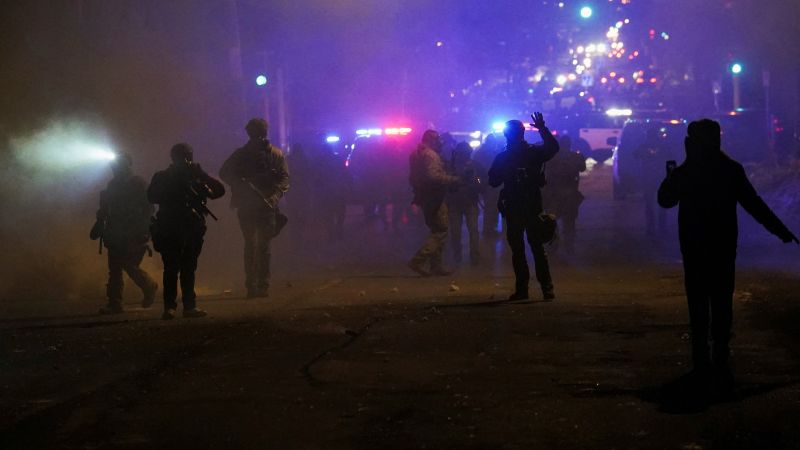
ICE Agent Charged in Minneapolis Shooting Arrested in Texas
ICE agent charged in shooting during – An ICE agent linked to a shooting incident in Minneapolis has been apprehended in Texas, marking a significant development in the ongoing federal investigation. Christian Castro, the agent charged with multiple assault counts following the January 14 shooting, was arrested in Harlingen, Texas, according to the Hennepin County Attorney’s Office. The arrest stems from discrepancies in Castro’s initial account of the event, which took place during a high-profile immigration enforcement operation in the Twin Cities. The case has reignited discussions about the conduct of federal agents and their interactions with immigrant communities in Minnesota.
Charges and Legal Proceedings
Castro faces four counts of second-degree assault and one count of filing a false crime report, as revealed by prosecutors. The charges relate to the shooting of Julio Sosa-Celis, a Venezuelan man who suffered a leg injury after being targeted by Castro through the front door of his Minneapolis home. The arrest occurred without incident, as stated by the Minnesota Bureau of Criminal Apprehension. CNN is investigating whether Castro has legal counsel to represent him in the upcoming court proceedings.
“Falsifying a crime report is a critical step in ensuring accountability,” remarked a DHS spokesperson, emphasizing the seriousness of Castro’s alleged actions. The official noted that the U.S. Attorney’s Office is closely examining Castro’s statements, which have been called into question by new evidence. Disciplinary measures, including potential termination, remain under consideration if the investigation confirms misconduct.
The Minneapolis Shooting Incident
The shooting occurred during Operation Metro Surge, a federal immigration enforcement initiative that escalated in early 2026. Initial reports claimed Sosa-Celis and his cousin Alfredo A. Aljorna had assaulted an ICE agent with a snow shovel or broomstick, leading to the use of force. However, this narrative has been challenged by video footage and witness testimonies, suggesting the men may have been acting defensively rather than offensively.
Surveillance footage from a city camera shows Sosa-Celis outside the home with a snow shovel, which he dropped upon his cousin’s arrival. The video captures the two men running toward the house, raising questions about the justification for Castro’s actions. Prosecutors argue that the evidence contradicts the original claim of an attack, highlighting inconsistencies in the government’s account of the incident.
Previous Cases and Public Reaction
Castro’s arrest follows similar incidents in Minneapolis, where federal agents have been involved in fatal shootings. Earlier this year, Renée Good, a 33-year-old mother, was killed by an ICE agent on January 7, and Alex Pretti, a 37-year-old nurse, was shot dead by DHS officers on January 24. In both cases, initial reports were later scrutinized as new evidence emerged, sparking concerns about transparency and accountability in immigration enforcement.
Minneapolis Mayor Jacob Frey expressed support for the arrest, stating, “Our city was invaded, and people were shot. Now it must be clear – nobody is above the law, including ICE.” The mayor’s comments reflect growing public pressure for federal agents to be held accountable for their conduct. The Minnesota Attorney General’s office reiterated its commitment to equal justice, asserting that the case is a continuation of efforts to ensure all law enforcement, regardless of agency, adheres to legal standards.
Castro was booked into Cameron County Jail in Texas, where he will await extradition to Minnesota for trial. The Hennepin County Attorney’s Office has confirmed that the legal process will proceed as planned, with Castro’s actions under review. This development underscores the intersection of federal and state legal systems in addressing immigration-related incidents and their broader implications for public trust.
