
YouTubers are setting box office records. It could change the future of moviemaking
YouTubers are setting box office records. It could change the future of moviemaking
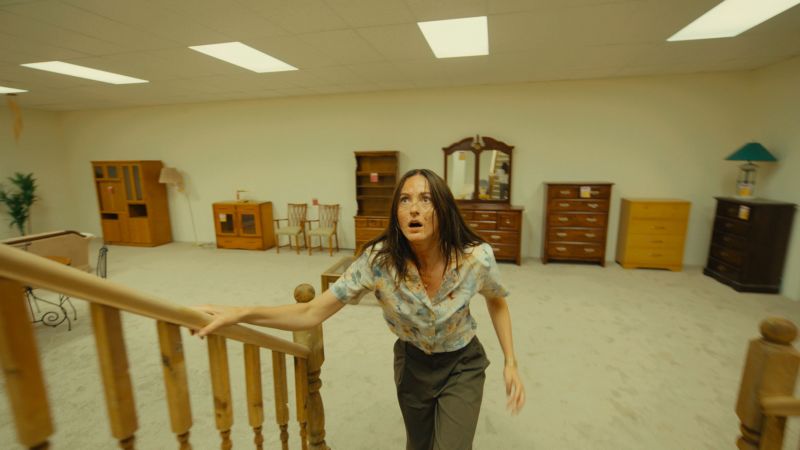
YouTubers are setting box office records – Two recent box office sensations, “Backrooms” and “Obsession,” have defied industry expectations by drawing massive crowds of teens and young adults typically disinterested in cinema. These films, created by filmmakers in their early twenties, have leveraged the power of YouTube to build anticipation and cultivate a loyal fanbase. As their success continues to reshape Hollywood’s traditional model, experts suggest that studios may soon embrace a new approach to film production and distribution.
The Rise of Digital-First Creators
“Obsession,” directed by 26-year-old Curry Barker, became a surprise hit after its May 15 release. With a budget of approximately $750,000, the darkly comedic horror film has generated over $150 million in revenue, marking an extraordinary return for its producers, Focus Features and Blumhouse Productions. Meanwhile, “Backrooms,” helmed by 20-year-old Kane Parsons, has taken even greater strides. The psychological thriller, which featured notable actors like Chiwetel Ejiofor, Renate Reinsve, and Mark Duplass, grossed $80 million in North America and $120 million globally during its debut weekend. This achievement has positioned Parsons as the youngest filmmaker in Hollywood history to open a film at the top of the box office, according to A24, the studio backing the project.
Parsons’ journey began years before his cinematic breakthrough, as he shared early drafts of the film on his YouTube channel. This platform not only allowed him to refine his vision but also to engage directly with potential audiences. The film’s success highlights a growing trend: young creators are no longer waiting for Hollywood’s approval. Instead, they’re using digital channels to build their careers, bypassing traditional gatekeepers and proving that a strong online presence can translate into massive box office wins.
A New Era of Audience Engagement
The performance of these films has sparked a debate about the role of social media in modern moviemaking. “Obsession” continues to outperform its competitors, maintaining its position in the top tier of box office results even as it moves beyond its opening weekend. Focus Features reported that the film’s revenue has increased in subsequent weeks, a rare phenomenon since the last such occurrence in 1982. This suggests that audiences are not only buying tickets for these films but also returning to theaters repeatedly, a sign of sustained interest.
Mark Duplass, who portrays a scientist in “Backrooms,” emphasized the significance of this shift in a recent social media post. “We’ve got an example of creators woodshedding things, putting them online, building an audience,” he explained. “And now the people with the purse strings are going to notice … because they see what they can do at the box office, you know, in the form of these two films that are over-performing.” His words underscore a fundamental change in how Hollywood views content creators. No longer seen as niche entertainers, YouTubers are now recognized as potential blockbuster architects.
Industry Adaptation and Future Implications
As the success of “Obsession” and “Backrooms” becomes more apparent, Hollywood is scrambling to adapt. Warner Bros. Motion Pictures co-chair Michael De Luca noted that filmmakers like Parsons are “in a dialogue with their audience from the word ‘go.’” This ongoing interaction allows creators to tailor their work to viewer preferences, a strategy that could redefine how films are developed. De Luca also highlighted the importance of digital testing, stating that “by the time you get to the movie,” these creators have already conducted “a billion test screenings” through their online platforms.
The phenomenon extends beyond individual success stories. Producers and agents have long been cultivating a pipeline from YouTube to Hollywood, but recent results have accelerated this process. Last winter’s film “Iron Lung,” self-funded by YouTuber Mark Fischbach, demonstrated the viability of this model. Its strong ticket sales hinted at a broader trend: audiences are increasingly drawn to content that resonates with their digital habits and cultural values.
Experts believe this movement represents more than a passing fad. The Hollywood Reporter’s Steven Zeitchik described the rise of YouTuber-driven films as “a teetering, if not the first hints of a collapse, of a legacy-driven studio system.” He argued that this shift reflects a deeper transformation in how stories are told and how they connect with viewers. Traditional studio models, which rely heavily on established franchises and marketing teams, are being challenged by the agility and authenticity of digital-first creators.
From YouTube Shorts to Hollywood Breakthroughs
The transition from online content to feature films is being driven by a combination of talent, creativity, and audience engagement. As Gen Z becomes the primary demographic for these movies, their ability to connect with creators through platforms like YouTube has created a unique dynamic. This generation, which grew up with instant access to diverse media, is now driving the financial success of films that mirror their interests and values.
Zeitchik’s analysis suggests that this cultural moment is not just about discovering new talent but also about reimagining the entire film industry. The success of “Obsession” and “Backrooms” has shown that audiences are willing to pay for stories that feel authentic and relatable, even if they come from unexpected sources. This could lead to a new era where original concepts are prioritized over predictable sequels, allowing filmmakers to experiment with narratives that resonate on a personal level.
While some may view this trend as a threat to Hollywood’s traditional structure, others see it as an opportunity. The ability to generate buzz online, coupled with the flexibility of digital platforms, has given creators more control over their work. As the industry continues to evolve, the question remains: will this shift lead to a more diverse and innovative film landscape, or will it create a new hierarchy where only those with strong online followings can succeed?
Warner Bros. Discovery, the parent company of CNN, has been at the forefront of this change. The company’s executives are now advocating for a more creator-centric approach, recognizing that the old methods of filmmaking may no longer be sufficient. As De Luca explained, the key to success lies in understanding what audiences want and delivering it through platforms they trust. This philosophy could pave the way for a new generation of filmmakers who are as comfortable with a smartphone as they are with a film set.
Ultimately, the rise of YouTubers in the box office signals a broader cultural shift. The lines between online content and cinematic storytelling are blurring, and audiences are embracing this new hybrid model. As Hollywood continues to watch these films, it may soon realize that the future of moviemaking is not just about big budgets or star power—but about the voices that have already built their careers in the digital world.
