
Iran’s media posts photos purportedly showing US bomb remains at destroyed water reservoir
Iran’s Media Posts Photos of US Bomb Remains at Destroyed Water Reservoir
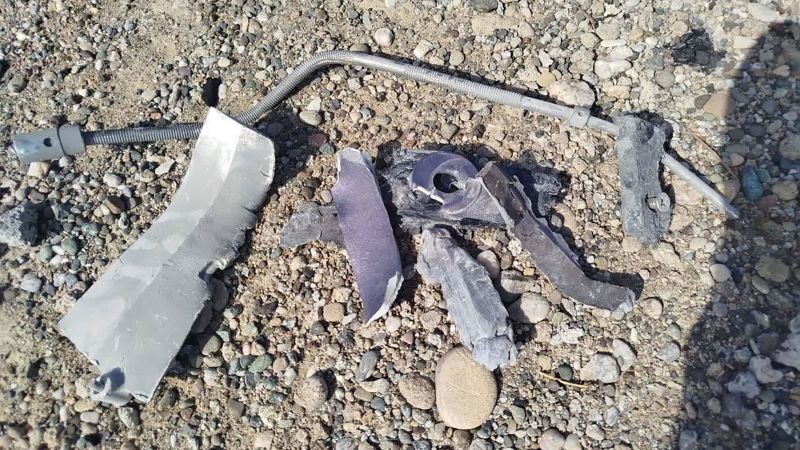
Iran s media posts photos purportedly – On June 10, 2026, Iran’s media posts photos reportedly showing remnants of a US-made bomb at a damaged water reservoir in the Bamani district. The images, published by Iran’s semi-official news agency Mehr, have sparked international debate about the target of the attack. Analysts suggest the weapon used could be a GBU-39 series bomb, a precision-guided munition developed by the United States. While the US has not confirmed direct involvement, independent researchers have geolocated the site, linking the strike to recent military tensions between the two nations.
Debris Indicates US-Origin Munition
Iran’s media posts photos of the damaged tank, which appears to have suffered severe structural damage, including a collapsed roof. The debris at the site, according to munitions experts, aligns with the characteristics of a GBU-39 bomb. Trevor Ball, a former US Army explosives specialist, and N.R. Jenzen-Jones, director of Armament Research Services, both noted that the destruction patterns match those of the weapon. “Iran’s media posts photos of the bomb fragments, which strongly imply a US-origin strike,” Ball stated to CNN. This analysis supports the theory that the attack was deliberate, though it leaves room for questions about targeting accuracy.
Abdul Hamid Hamzehpour, CEO of Hormozgan Water and Wastewater Company, confirmed the loss of two reservoirs in the area, as quoted by Iran’s media posts photos. The combined capacity of the damaged tanks was 2,500 cubic meters, enough to supply thousands of people for several weeks. The attack has raised concerns about the strategic importance of water infrastructure in military operations. While the US has not officially acknowledged involvement, the precision of the strike suggests a targeted effort rather than a collateral event.
Historical Context and Strategic Concerns
Iran’s media posts photos of the site, which has been geolocated to southern Iran, provide critical evidence of the attack’s impact. The region’s water reservoirs are vital for local communities, with the damaged tank serving at least 20,000 residents. This incident echoes past US military actions, such as the proposed attacks on Iran’s desalination plants by former President Donald Trump in March 2026. The current strike adds to fears that water infrastructure may be a recurring target in the region’s escalating conflict.
“Iran’s media posts photos of the damage, emphasizing the strategic significance of the strike,” said Hamzehpour. “The loss of these reservoirs could have lasting effects on the local population.”
The use of precision-guided munitions, like the GBU-39, underscores the US’s ability to conduct targeted strikes. However, the location’s remoteness and the absence of immediate military presence at the site raise questions about the attack’s intent. Whether this was a calculated move or an unintended consequence remains under scrutiny.
Experts caution that the destruction of critical infrastructure, such as water reservoirs, may violate international humanitarian law. The Geneva Convention protects essential facilities during conflicts, yet Iran’s media posts photos of the damage, which could indicate a deliberate targeting of civilian resources. The incident highlights the growing concerns over the collateral damage caused by military operations in the region, particularly as tensions between Iran and the US continue to rise.
As investigations into the attack unfold, Iran’s media posts photos of the site will likely play a key role in shaping public perception. The damaged reservoir, once a crucial source of water, now serves as a symbol of the ongoing conflict. While the US has not yet provided a clear explanation, the precision of the strike and the presence of US-made munitions at the scene suggest a well-planned operation. This development underscores the strategic importance of water infrastructure in the broader context of the Middle East conflict.
