Dissent grows against deal in Iran – but the regime is likely to have final say

Dissent Grows Against Iran Deal – Regime Likely to Have Final Say
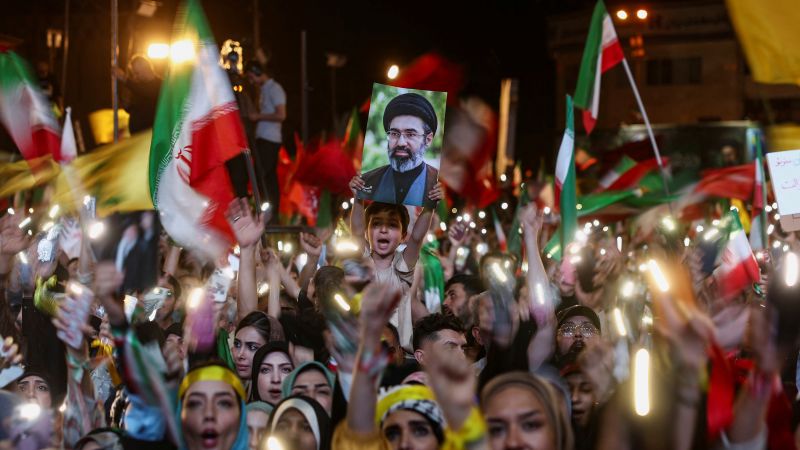
Dissent grows against deal in Iran as the United States and Iran inch closer to a pact designed to end a three-month standoff. While the agreement—initially labeled the “memorandum of understanding”—has drawn cautious optimism from some factions, internal divisions within Iran are intensifying. Hardline critics, including members of the Islamic Republic, have used state-controlled media to voice their opposition, with public protests emerging. Demonstrators have taken to the streets, chanting against the negotiators. Despite these growing tensions, the Iranian leadership seems determined to retain control over the deal’s outcome, indicating the final decision may still rest with them.
Rising Frustration Among Hardliners
The pushback against the agreement is not just a political strategy but a reflection of ideological rifts. A radical group, the “Endurance Front,” has become a central force in opposing the deal. This group, known for its revolutionary stance, views the agreement as a threat to Iran’s core values. They argue that the deal’s terms—such as limits on nuclear enrichment and sanctions relief—compromise Iran’s sovereignty, potentially aligning it too closely with U.S. interests. Such concessions, they claim, could lead to Iran being perceived as a U.S. proxy state, a notion they see as a betrayal of the 1979 Islamic Revolution.
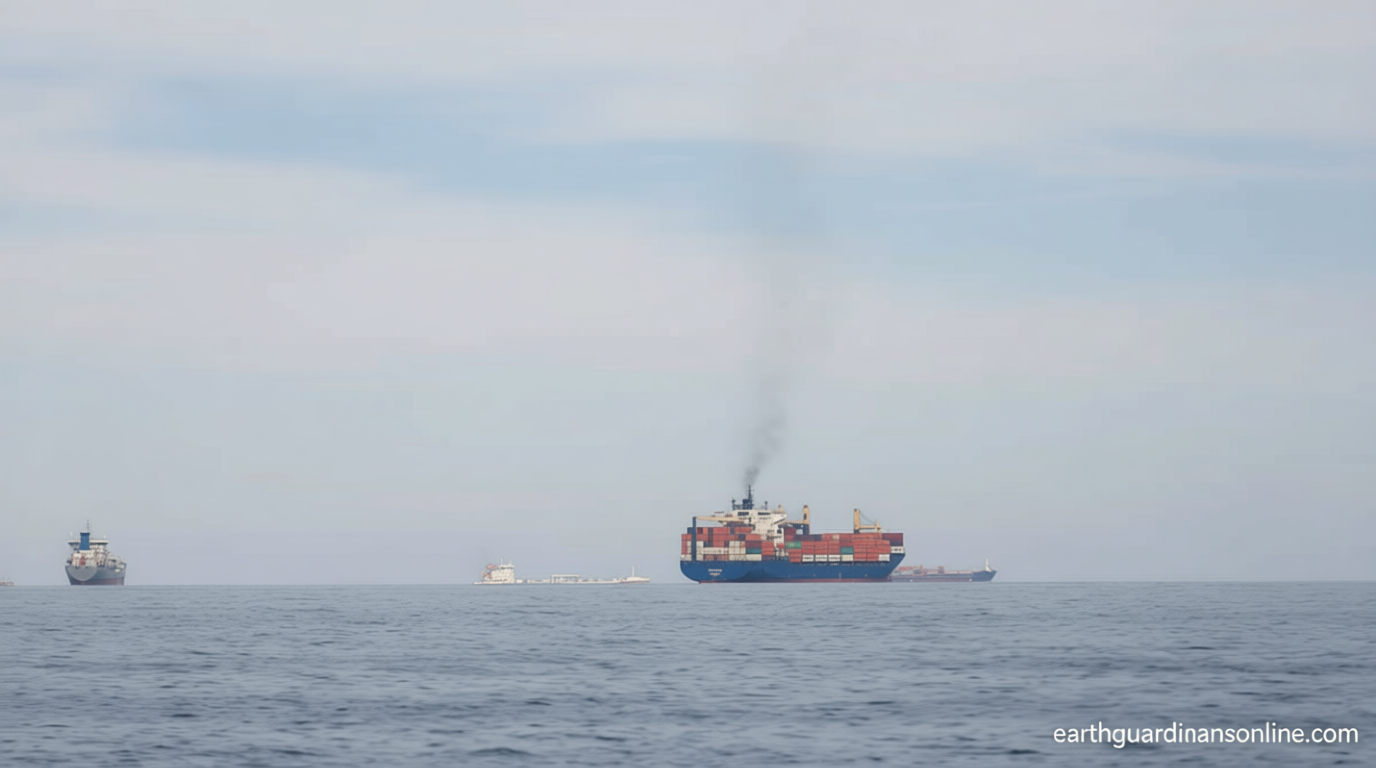
“If Iran signs the agreement, we will effectively become a colony of the United States,” said Mahmoud Nabavian, a hardliner from the Endurance Front. He also warned, “Even the Strait of Hormuz, a key trade route, would be open to Israel under this deal.”
Nabavian, who previously participated in negotiations, highlighted the risks of the deal during a televised address. He argued that Iran’s compromises could erode its independence, forcing the nation to seek approval for every nuclear activity, from power generation to pharmaceutical production. “The more signals of weakness we send, the closer war comes to us,” he emphasized, echoing concerns that the deal weakens Iran’s global standing and emboldens external pressures.
Protests and Political Pressure
Although the regime has attempted to maintain unity, protests against the deal have gained momentum. Demonstrators have targeted Iran’s top diplomat, Abbas Araghchi, and chief negotiator, Mohammad Bagher Ghalibaf, with calls for their resignation. These demonstrations, often held in defiance of unity efforts, underscore the growing discontent among hardliners. At a rally in Tehran, attendees linked their anger to the recent assassination of the Supreme Leader’s father in February, using it as a symbol of resistance. The slogan “Ghalibaf, Araghchi—what about my Leader’s blood?” resonated with participants, highlighting the emotional stakes of the conflict.
Social media footage from the event showed a fervent crowd, with some speakers accused of undermining the Supreme Leader’s directives. The conservative newspaper Javan, aligned with the Islamic Revolutionary Guard Corps (IRGC), criticized dissenters as “acting to scatter the seeds of schism and division among the people.” Meanwhile, the regime has launched countermeasures, with Supreme Leader Mojtaba Khamenei’s social media accounts reposting a March message urging media to focus on national strength rather than perceived weaknesses. The semi-official Tasnim news agency also condemned recent attacks on officials, calling them “unacceptable” despite being limited to a specific group.
As the negotiations continue, the balance between compromise and defiance remains precarious. While the deal offers potential relief for Iran’s economy, it has also ignited fears of long-term consequences. Analysts suggest that the regime’s ability to consolidate power will determine the agreement’s fate, even as opposition groups rally to challenge its terms. The outcome could shape Iran’s foreign policy trajectory, with the final decision resting in the hands of its leadership, despite the mounting voices of dissent.