The true test of Trump’s Iran agreement will come only if the fighting stops

The True Test of Trump’s Iran Agreement Will Come Only if the Fighting Stops
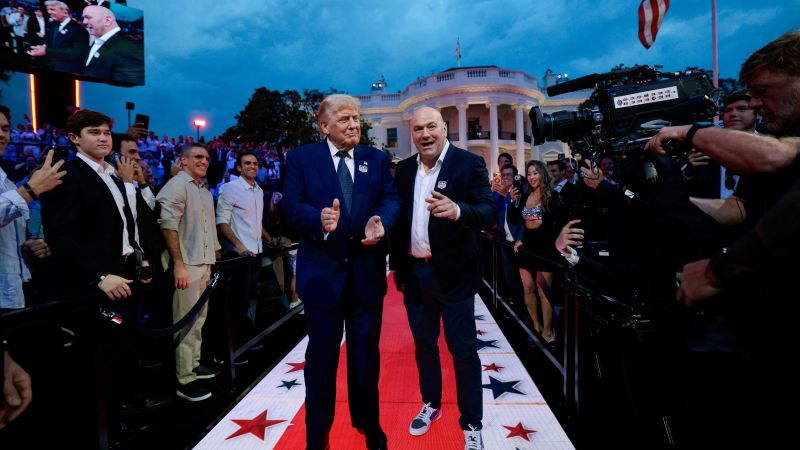
The true test of Trump s Iran – President Donald Trump’s 80th birthday celebration on June 15, 2026, featured more than just cake and speeches—it included a high-stakes political showdown. Amidst the chaos of mixed martial arts matches, Trump unveiled a memorandum of understanding aimed at ending the Iran war, marking a pivotal moment in his foreign policy. However, the symbolic weight of the agreement was tempered by the ongoing instability in the Middle East, where the conflict between the U.S. and Iran had dragged on for months without clear resolution. While the memo’s announcement was framed as a victory, its true significance hinges on whether it can bring an end to the hostilities that have strained global energy markets and deepened geopolitical tensions.
Key Provisions of the Agreement
The agreement, set to take effect after a formal signing in Switzerland on Friday, proposes a 60-day ceasefire to halt combat in the Strait of Hormuz. This strategic waterway, critical for global oil shipments, had become a flashpoint for Iran’s military actions, disrupting supply chains and fueling fears of an energy crisis. The deal also includes provisions to lift the U.S. naval blockade and ease Iran’s grip on the region’s oil infrastructure. These terms are designed to provide immediate relief to consumers and stabilize markets, though their long-term effectiveness remains uncertain.
“Many presidents have tried to make Peace with Iran, and all have failed before me,” Trump declared on social media, attempting to cast himself as a singular figure in resolving a decades-old standoff.
According to Vice President JD Vance, the agreement contains a binding assurance that Iran will not produce, procure, or acquire a nuclear weapon. This commitment, he stated, is a critical step toward eliminating the nuclear threat posed by the Islamic Republic. Yet, the lack of detailed provisions has raised questions about the deal’s durability. Vance’s remarks on Monday, while optimistic, underscore the challenge of translating promises into tangible outcomes.
A Hopesful but Uncertain Shift
Analysts argue that the memo offers a glimmer of hope for ending the economic fallout of the war, which has already destabilized global markets. The conflict, which saw 13 American service members killed and an unspecified number of Iranian civilians, has disrupted oil prices and triggered inflationary pressures. If the ceasefire holds, it could ease these strains and restore some confidence in the U.S. ability to manage international crises. However, the deal’s success depends on whether the parties can maintain the truce and address the core issues that led to the war.
The agreement’s most contentious element is its handling of Iran’s nuclear program. Despite Trump’s claims, the memo does not fully resolve the question of Iran’s nuclear ambitions. The regime has long asserted it does not seek weapons, but the U.S. and its allies remain wary of its enrichment activities. The terms of the deal leave this critical issue for future negotiations, which will determine whether Iran’s nuclear path is constrained or if the pact merely postpones the inevitable.
Legacy and Strategic Implications
For Trump, the memo represents a chance to reshape his political legacy. The president has long positioned himself as a disruptor of traditional foreign policy, and this deal could solidify that image. Yet, the agreement’s effectiveness will be judged by its ability to alter the strategic balance of the Middle East. If Iran regains its leverage over the Strait of Hormuz, the U.S. may find itself in a weaker position, raising concerns about its global influence. Conversely, a successful ceasefire could signal a shift toward diplomacy, even if it comes at the cost of military confrontation.
Inside Iran, the deal’s impact is equally complex. While the immediate reduction in hostilities may alleviate pressure on civilians, the regime’s survival could bolster its resolve. The war and subsequent blockade have tested Iran’s resilience, but the country’s leaders may view the truce as a temporary reprieve rather than a definitive victory. This dynamic could lead to renewed repression or a strategic pivot to consolidate power under new leadership.
Unanswered Questions and Future Risks
The memo leaves three critical questions unresolved: First, will the easing of tensions in the Strait of Hormuz merely restore pre-war conditions, or will it mark a lasting peace? Second, does this deal represent a breakthrough over the Obama-era pact, which Iran had upheld until Trump withdrew from it? Third, has the war, which a majority of Americans opposed, achieved any meaningful results that justify its cost? These questions will shape the agreement’s legacy and determine whether it is seen as a success or a temporary fix.
Long-term implications also depend on Iran’s future actions. Should the memo hold, the nation’s demonstrated control over the Strait of Hormuz could become a bargaining chip in future negotiations. The ability to leverage this vital chokepoint may influence Iran’s diplomatic strategies, particularly in relation to regional allies like Lebanon and Syria. Meanwhile, the U.S.-Israel campaign to remove Iran’s Supreme Leader Ali Khamenei has left the regime’s leadership intact, raising concerns about its potential to reignite hostilities.
Global Perceptions and U.S. Power
The war’s aftermath will also reveal whether Trump’s strategy of imposing military might was effective or if it exposed American power as fragile. The conflict has been seen by some as a setback, with perceptions in China and other regions questioning the U.S.’s ability to maintain dominance in the Middle East. However, if the agreement leads to sustained peace, it could counteract these doubts and reinforce the narrative of a strong, decisive leader.
Vance’s assertion that the memo “certainly eliminates the nuclear threat of Iran” has been met with cautious optimism. While the text of the agreement includes commitments to nuclear restraint, the absence of binding verification mechanisms leaves room for skepticism. Future negotiations will be key in determining whether these assurances translate into concrete action or if the deal is simply a pause in a longer conflict.
As the dust settles on the agreement, the focus will shift to its implementation. The 60-day ceasefire provides a window for dialogue, but the underlying tensions—rooted in Iran’s desire to challenge U.S. influence and the regime’s hostility toward Israel—remain unresolved. The memo’s ability to bridge these divides will determine whether it becomes a landmark achievement or a stepping stone to renewed strife. For now, the deal offers a temporary reprieve, but the true test lies in its ability to sustain peace and address the nuclear question that has defined the conflict for decades.