Trump’s new acting intel chief Bill Pulte arrives early, eyes firing hundreds

Bill Pulte, Trump’s Acting Intelligence Chief, Arrives Early, Eyes Major Staff Cuts
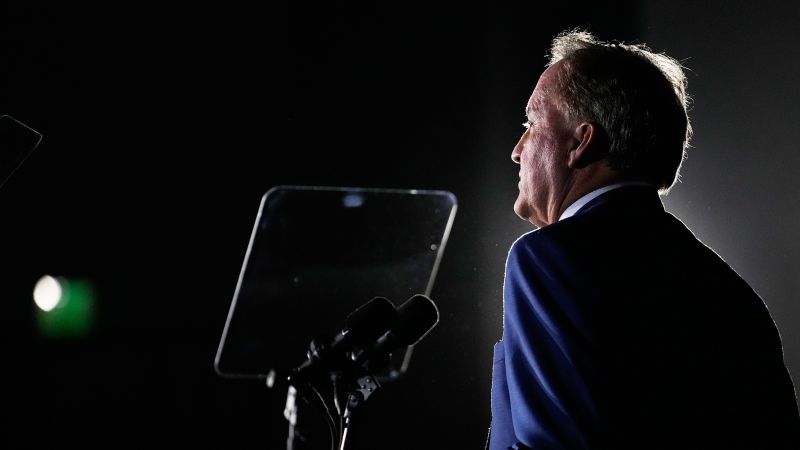
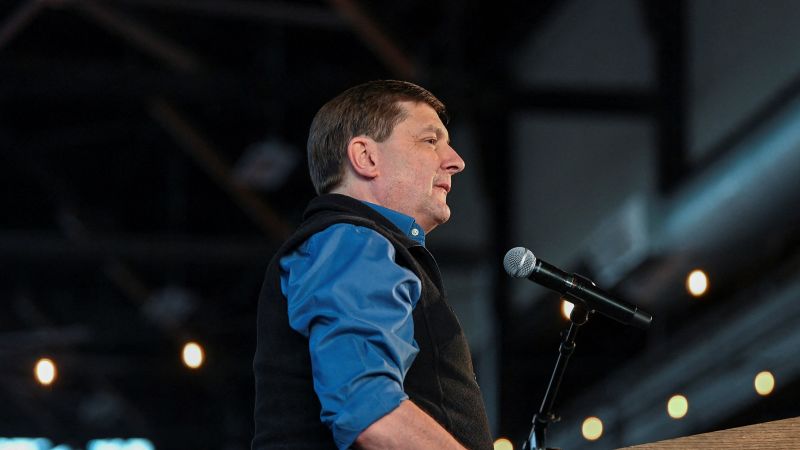
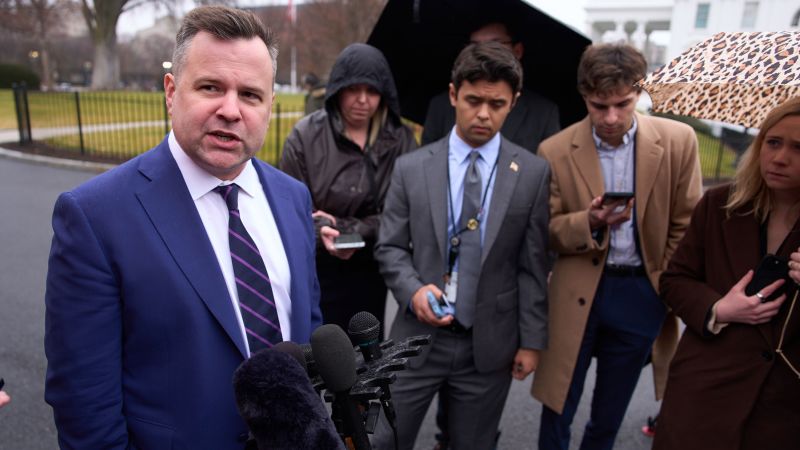
Trump s new acting intel chief – Bill Pulte, the acting director of national intelligence appointed by President Donald Trump, began his duties at the Office of the Director of National Intelligence (ODNI) one day earlier than scheduled on Thursday. According to two individuals with knowledge of the situation, Pulte’s early arrival was prompted by his request for a comprehensive list of all ODNI employees, signaling his intention to evaluate which staff members might be removed from the agency. This move has sparked discussions about the potential for significant workforce reductions, with sources indicating that Pulte is targeting hundreds of positions for elimination.
Staff Caught Off-Guard by Pulte’s Sudden Presence
The unannounced visit by Pulte to the ODNI caught many in the office by surprise, including the outgoing director, Tulsi Gabbard. Gabbard, who had previously served as a member of the House Intelligence Committee, received only a brief notification about the visit, leaving her and her team unprepared for the abrupt change in leadership. While the White House had initially scheduled Pulte’s start date for Friday, he opted to begin his tenure earlier, raising questions about the timing and purpose of his accelerated arrival.
Pulte’s Focus on Efficiency and Security Clearance
During his early visit, Pulte engaged with legal advisors and personnel within the ODNI, according to the sources. His inquiries extended beyond operational matters, as he also questioned whether his security clearance was classified as top-secret and whether he would have access to a government-issued aircraft. These questions, though seemingly routine, were notable given that the briefing was meant to familiarize him with the agency’s core functions. The first source emphasized that Pulte’s interest in security details and travel logistics appeared unusually intense for someone in a newly appointed role.
Requests for the President’s Daily Brief Prompt Alarm
In a prior interaction with the ODNI, Pulte had requested to take the President’s Daily Brief (PDB) to his residence, a development that caused unease among intelligence professionals. The PDB, a highly classified summary of the day’s critical national security intelligence, is typically shared with select officials. While one source described Pulte’s request as a sign of his desire to control information flow, another noted that the PDB is available in electronic format, making it feasible to transport without compromising security. Nevertheless, the act of wanting to carry the brief home underscored his eagerness to assert authority over the intelligence apparatus.
Background on Pulte’s Qualifications and Prior Actions
Before assuming his current role, Pulte had not yet been granted a security clearance that allowed him access to classified information. This omission raised eyebrows among some observers, who questioned whether he was adequately prepared for the responsibilities of the position. However, his appointment was backed by Trump’s supporters, who emphasized his loyalty to the administration. In his previous role as head of the Federal Housing Finance Agency, Pulte had taken steps to refer criminal cases against Democrats accused of mortgage fraud, aligning him with the president’s partisan agenda.
Political Motivations and Concerns About Firing Decisions
Pulte’s proactive approach has fueled speculation that he intends to streamline the intelligence community by eliminating positions perceived as inefficient or politically aligned with the previous administration. Critics argue that his focus on staff reductions could reflect a broader strategy to reshape the agency in line with Trump’s priorities, including his repeated claims of election fraud. The timing of his arrival, coinciding with the US and Iran’s efforts to conclude a four-month conflict, has also drawn attention to the potential impact of his leadership on national security coordination.
Reactions from Congressional Critics
Democratic Rep. Jim Himes, the ranking member of the House Intelligence Committee, expressed strong reservations about Pulte’s suitability for the role. In a statement, Himes called the reports of Pulte’s early arrival “demonstrative of why he should never spend a minute as Director of National Intelligence,” a position he is technically not qualified for due to his lack of prior intelligence experience. “If the reports are accurate, it shows that Pulte is poised to take a more aggressive stance than his predecessor,” Himes added, noting concerns over the potential for widespread staff firings and the erosion of impartiality within the intelligence community.
Expanding the Scope of Pulte’s Influence
Pulte’s new role places him in charge of 18 separate intelligence agencies, giving him unprecedented authority to shape policy and operations. This expanded power has intensified fears that he may leverage his position to advance Trump’s grievances, particularly regarding the 2020 election. While Gabbard had previously used her time in office to investigate voter fraud allegations, Pulte’s potential actions could amplify those efforts, potentially blurring the line between foreign and domestic intelligence operations—a distinction that was solidified after the Watergate scandal.
Quotes Highlighting Pulte’s Loyalty and Ambition
“This isn’t something to overthink—President Trump wanted someone in that position who is a true loyalist, who will do what he wants him to do. He has that in Bill,” said a source close to Pulte. This statement reflects the perception that Pulte’s primary objective is to align the intelligence community with Trump’s vision, even if it means challenging established norms or procedures.
As the ODNI transitions into new leadership, the agency’s ability to maintain independence while executing its mission will be closely watched. The recent events suggest that Pulte is not only focused on operational efficiency but also on consolidating influence within the intelligence structure. With the US and Iran nearing a peace agreement and the ongoing scrutiny of election-related claims, his tenure is set to test the balance between political loyalty and objective intelligence analysis.
Implications for the Intelligence Community
Analysts warn that Pulte’s aggressive posture could lead to a shift in the intelligence community’s priorities, favoring partisan narratives over neutral assessments. His early arrival and emphasis on staff evaluations have already signaled a willingness to act decisively, potentially disrupting the agency’s usual workflow. While some view this as a sign of leadership, others argue that it may result in the premature removal of experienced professionals, jeopardizing the continuity of critical intelligence operations.
With the potential for sweeping changes, the intelligence community remains on high alert. The White House and ODNI have yet to issue official statements in response to the reports, leaving the situation open to further developments. As Pulte prepares to take charge, the focus will be on how his decisions affect both the structure and the integrity of the US intelligence apparatus in the coming months.