Iran’s hardliners threaten to spoil the regime’s victory lap

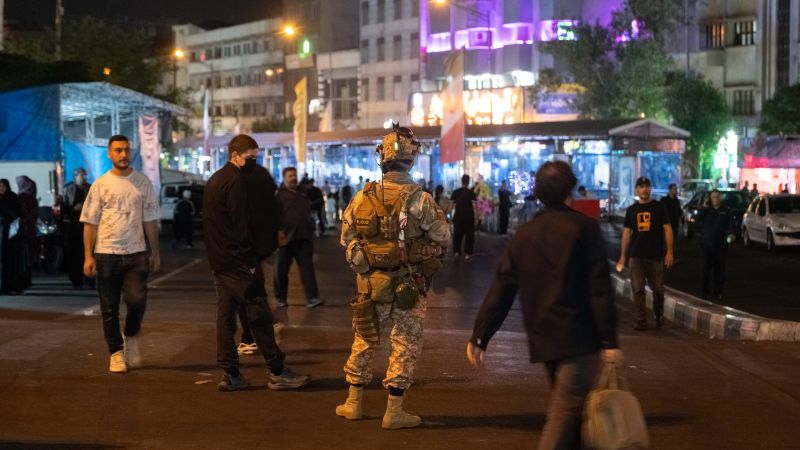
Iran’s Hardliners Pose Challenge to US Peace Accord Amid Domestic Struggles
Iran s hardliners threaten to spoil – Last week, as the U.S.-Iran peace deal began to take shape, a prominent Iranian figure seized the moment to voice deep concerns about its implications. Mahmoud Nabavian, a senior member of the parliament’s National Security Commission, addressed a gathering in Tehran, unveiling what he called the final version of the agreement. His remarks, which were aired live nationwide, sparked immediate controversy. Nabavian accused the deal of transforming Iran into a “colony of the United States” and warned that it would permit Israeli access to the Strait of Hormuz—a move he framed as a concession to foreign dominance. His words, though stark, reflect a broader unease within Iran’s hardline political circles about the deal’s long-term consequences.
Despite the protests, the agreement that emerged between the two nations has been hailed as a significant victory for Iran. State media and government officials have framed it as a triumph over Washington, emphasizing its strategic benefits. The pact, which includes provisions for lifting sanctions and restoring diplomatic ties, is seen as a major step in stabilizing the country’s international standing. However, the enthusiasm has not silenced all dissent. Nabavian’s critique highlights the internal divisions within the regime, where factions remain skeptical of the deal’s ability to secure Iran’s interests without compromising its sovereignty.
Hardline Opposition: A Battle Within the Regime
The tension between the government’s desire to celebrate the deal and the hardliners’ resistance underscores a critical challenge in consolidating support for the agreement. Dina Esfandiary, a Middle East geoeconomics expert at Bloomberg Economics, noted that the war had revitalized the Iranian government, enabling it to reclaim authority after periods of unrest. “The conflict provided the regime with a renewed sense of purpose,” she explained. Yet, this revival does not guarantee a unified front. The government must now navigate not only external pressures but also internal dissent, as hardline factions seek to undermine the deal’s credibility.
“For this agreement to work, Mojtaba Khamenei and the Revolutionary Guards have to control the very forces that they helped create,” said Vali Nasr, author of *Iran’s Grand Strategy*. He pointed to the Jebhe-ye Paydari, a hardline group that has actively opposed the deal since its inception. Nabavian, a key ally of this faction, has been at the forefront of criticism, arguing that the agreement represents a shift toward U.S. influence and a potential weakening of Iran’s regional power.
Nasr’s analysis reveals that the Paydari faction, often referred to as the “Super Revolutionaries,” has played a pivotal role in shaping the debate. This group, which blends ideological fervor with pragmatic tactics, has demonstrated its ability to mobilize public sentiment. During the war, they organized supporters to take to the streets, amplifying anti-government protests. Their influence remains strong among poorer, religiously conservative Iranians who feel the economic and military strain of the conflict most acutely. These populations, according to Nasr, are crucial to the deal’s acceptance, yet their loyalty is not guaranteed.
The deal’s success also hinges on the government’s ability to deliver tangible economic relief. While the agreement promises to ease sanctions and restore trade, experts caution that these benefits alone may not quell the growing discontent. “Iran’s economy is in a crisis, and the people are demanding immediate results,” said Sanam Vakil, director of the Middle East and North Africa program at a leading think tank. “Without visible improvements in daily life, the agreement risks being viewed as a hollow gesture.” The government must not only address the immediate hardships but also demonstrate that the deal will protect its long-term strategic goals.
Khamenei, the supreme leader, has attempted to manage the fallout by publicly endorsing the agreement. A recent message attributed to him stated that he authorized the deal after being assured by top negotiator Mohammad Bagher Ghalibaf of its alignment with Iran’s national interests. “While my stance was initially different, I accepted the responsibility of the architects to safeguard the rights of the Iranian nation and the Resistance Front,” the message read. This statement aims to position Khamenei as a stabilizing force, distancing himself from the hardliners’ more aggressive critiques.
Strategic Implications and the Road Ahead
The agreement’s impact extends beyond domestic politics. By opening the Strait of Hormuz to Israeli naval traffic, it signals a potential realignment of regional alliances. While this move may ease tensions with the U.S., it could also provoke friction with Iran’s Arab neighbors, particularly those wary of Israel’s growing role in the region. The question remains: Will the deal foster lasting peace, or will it create new fault lines?
Analysts argue that the success of the agreement depends on its ability to address both external and internal challenges. On the international stage, the deal aims to reduce Tehran’s military vulnerabilities and restore its economic stability. However, domestically, it faces an uphill battle against entrenched opposition. The Paydari faction, with its grassroots mobilization and ideological appeal, continues to challenge the government’s narrative, emphasizing the risks of ceding power to the West.
Moreover, the agreement must navigate the complex interplay of Iran’s political factions. While the government seeks to portray the deal as a unifying achievement, critics point to the deep ideological divides that persist. The Revolutionary Guards, a key pillar of the regime, are now tasked with balancing the demands of both hardliners and moderates. This balancing act is critical, as the Guards’ support is essential for the agreement’s survival.
Experts warn that the government’s ability to maintain authority will depend on its capacity to integrate the deal into its broader strategy. “The agreement is a step forward, but it is not a panacea,” said Vakil. “Iran’s leaders must address the root causes of dissatisfaction, including economic inequality and political repression, to ensure the deal is seen as a genuine opportunity rather than a temporary compromise.”
As the regime moves to solidify the deal’s support, the battle between hardliners and reformists is set to intensify. The opening of the Strait of Hormuz, a symbol of both victory and vulnerability, highlights the delicate balance the government must strike. While the deal may provide relief from immediate threats, its long-term viability will depend on the regime’s ability to navigate internal divisions and secure the backing of its most influential supporters. The coming weeks will be a test of Iran’s political resilience, with the outcome shaping its future on the global stage.
For now, the agreement remains a point of contention. The government’s efforts to sell it as a necessary step for stability will face ongoing scrutiny, particularly from those who view it as a betrayal of Iran’s revolutionary ideals. As the nation grapples with this new chapter, the struggle between the regime’s leaders and its hardline factions will continue to define the path forward. The peace deal, while promising, is far from a guaranteed success—its fate rests on the ability of Iran’s political elite to unify the country behind a shared vision of the future.