
10 Most Mysterious Natural Phenomena That Will Amaze You
Discover the 10 most mysterious natural phenomena that defy explanation. From glowing beaches to eternal flames, nature’s secrets await!
Have you ever looked at the world around you and wondered how some of its most mind-boggling mysteries exist? Nature, as intricate as it is, has a way of surprising us with phenomena that seem to transcend the boundaries of science. From glowing oceans to waterfalls with eternal flames, these wonders make us marvel at the extraordinary.
In this article, we’ll unravel the 10 most mysterious natural phenomena that continue to baffle scientists and ignite curiosity. Ready to dive into the fascinating side of nature? Let’s explore!
10 Most Mysterious Natural Phenomena
Nature’s marvels often leave us speechless, presenting sights and experiences that seem to challenge what we know about the physical world.
The 10 most mysterious natural phenomena listed here not only capture the imagination but also showcase the planet’s diverse beauty and complexity. Each phenomenon is a reminder of nature’s creativity and the mysteries we have yet to fully unravel.
1. Aurora Borealis and Aurora Australis
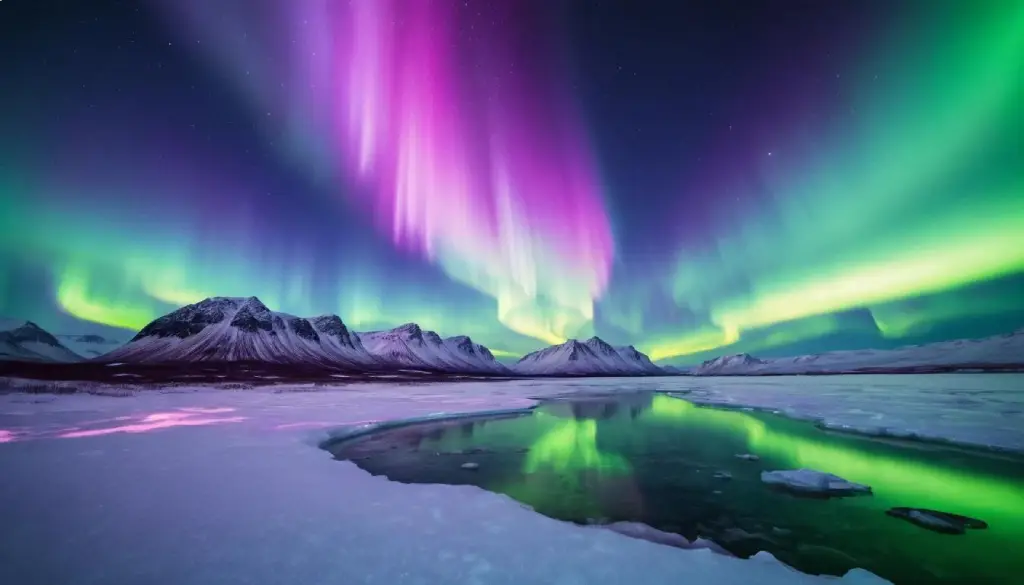
The Aurora Borealis (Northern Lights) and Aurora Australis (Southern Lights) are two of the most visually stunning phenomena on Earth. These natural light displays occur in polar regions and fill the sky with dazzling colors ranging from green to purple.
What Creates the Auroras?
Auroras are caused by the interaction between solar winds and Earth’s magnetic field. Charged particles from the sun collide with atoms in the atmosphere, exciting them and causing them to emit light.
The specific colors depend on the type of gas involved, with oxygen producing green and red hues, and nitrogen creating purples and blues.
Best Places to See the Lights
- Northern Hemisphere: Norway, Sweden, Finland, Canada, and Alaska.
- Southern Hemisphere: Antarctica, southern Australia, and New Zealand.
Why Are They Mysterious?
While the science behind auroras is well-understood, their unpredictable appearances and mesmerizing forms make them one of nature’s most magical displays.
2. Bioluminescent Beaches
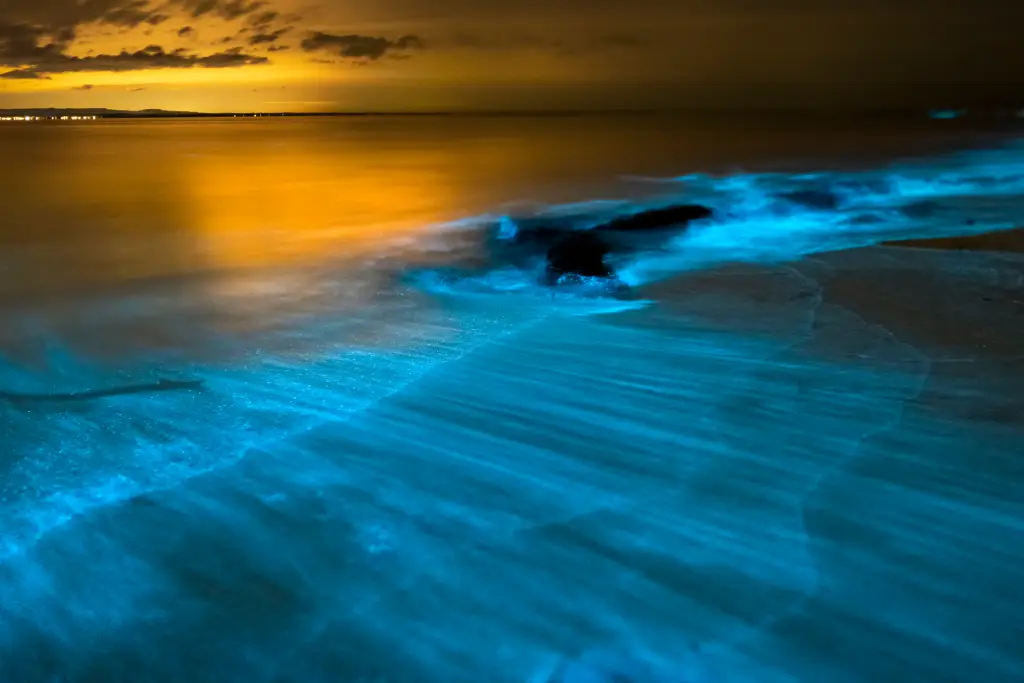
Bioluminescent beaches are places where the ocean glows at night, creating an almost surreal experience. This phenomenon occurs due to marine organisms like plankton emitting light through a natural chemical process.
How Does Bioluminescence Work?
These organisms produce light using a reaction between luciferin (a light-emitting molecule) and luciferase (an enzyme). When the water is disturbed, such as by waves or human movement, the organisms glow brightly.
Famous Bioluminescent Beaches:
- Mosquito Bay, Puerto Rico: Known as the brightest bioluminescent bay in the world.
- Vaadhoo Island, Maldives: A popular destination for glowing beach lovers.
- Toyama Bay, Japan: Home to glowing firefly squid.
Why Visit a Bioluminescent Beach?
Experiencing the glow of the ocean firsthand feels like stepping into a dream, offering a glimpse into the lesser-known wonders of marine life.
3. Blood Falls in Antarctica
Blood Falls is a dramatic red-colored waterfall flowing from the Taylor Glacier in Antarctica. This eerie sight appears as though blood is seeping from the ice.
Why Is It Red?
The water emerging from the glacier is rich in iron. When exposed to oxygen, the iron oxidizes, creating a rust-like red color. This process gives the falls their bloody appearance.
Why Is It Unique?
- The water comes from a subglacial lake trapped beneath the glacier for millions of years.
- The extreme environment of this lake may host microorganisms, offering insights into life in harsh conditions.
Blood Falls is not just visually striking but also holds scientific importance for understanding life in extreme environments, both on Earth and possibly other planets.
4. Sailing Stones in Death Valley
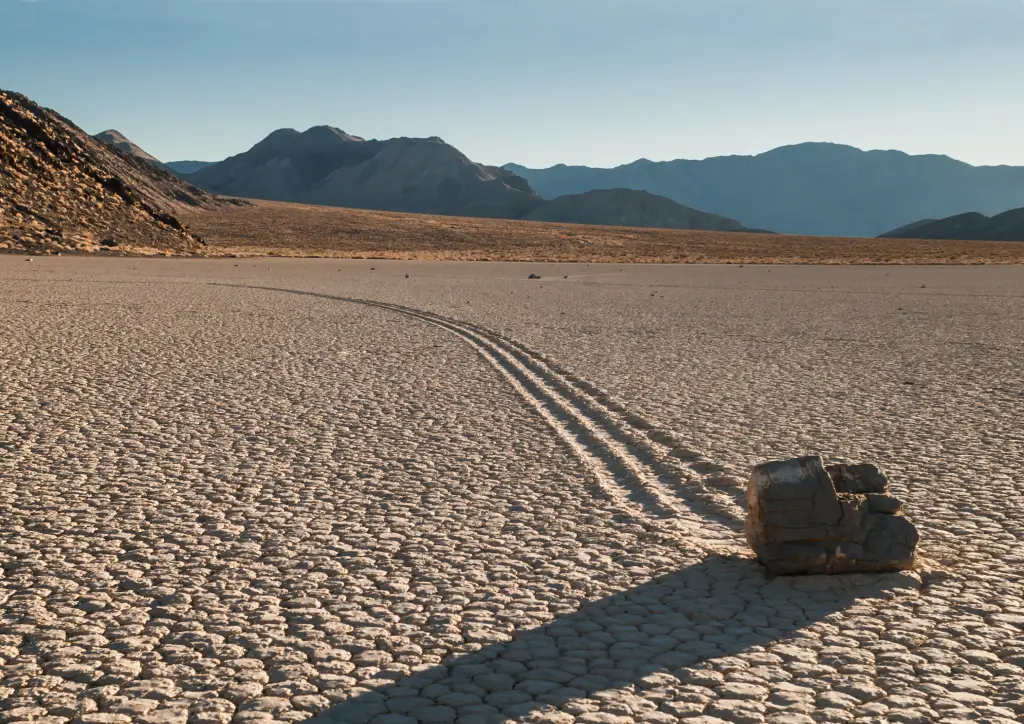
The sailing stones of Death Valley have baffled observers for years. These rocks, some weighing hundreds of pounds, appear to move across the desert floor, leaving trails behind.
How Do They Move?
Recent studies suggest a combination of factors:
- A thin layer of ice forms on the desert floor during cold nights.
- As the ice melts and winds blow, the rocks slide, leaving behind their characteristic trails.
What Makes Them Mysterious?
While science has demystified the process, the spectacle of seeing rocks move “on their own” is undeniably fascinating and unique.
5. The Bermuda Triangle
The Bermuda Triangle, a region in the North Atlantic, is infamous for mysterious disappearances of ships, planes, and people. Bound by Miami, Bermuda, and Puerto Rico, it has inspired countless conspiracy theories.
Theories About the Triangle:
- Magnetic anomalies affecting navigation equipment.
- Methane gas pockets erupting and causing ships to sink.
- Rogue waves and unpredictable weather patterns.
Why Does It Still Baffle Us?
Despite numerous investigations, no single explanation covers all the incidents, keeping the legend of the Bermuda Triangle alive.
6. Hessdalen Lights
The Hessdalen Lights are mysterious lights observed in a remote valley in Norway. These lights appear as glowing orbs, changing colors and moving unpredictably.
Possible Explanations:
- Plasma created by natural ionization in the valley’s atmosphere.
- Combustion of specific dust particles in the area.
- Electromagnetic activity from local geological features.
Why Visit Hessdalen?
The lights are a rare and ongoing phenomenon, attracting scientists and tourists alike for decades.
7. Lake Hillier’s Pink Water
Lake Hillier, located on Middle Island in Western Australia, stands out for its bubblegum-pink waters. The vivid hue is a natural phenomenon that has fascinated researchers.
Why Is It Pink?
- Microorganisms like Dunaliella salina produce carotenoids, giving the water its pink color.
- The high salt concentration supports these microbes.
Fun Fact:
The lake retains its pink hue even when the water is removed, making it a permanent spectacle.
8. Morning Glory Clouds
The Morning Glory Clouds are massive, tubular clouds that stretch across the sky, typically seen in northern Australia during certain times of the year.
How Do They Form?
- A combination of high-pressure systems and sea breezes creates these rolling clouds.
- The clouds move like waves, often covering hundreds of kilometers.
Why Are They Rare?
Their appearance depends on highly specific weather conditions, making them a once-in-a-lifetime sight for most observers.
9. The Eternal Flame Waterfall
The Eternal Flame Waterfall in New York’s Chestnut Ridge Park is a small yet enchanting cascade of water with a natural flame flickering behind it.
How Does It Burn?
Natural gas seeps from beneath the rock, feeding the flame. Despite the flowing water, the flame continues to burn.
Why It’s Special:
This rare combination of fire and water creates a surreal experience for visitors.
10. The Door to Hell
The Door to Hell, a fiery crater in Turkmenistan’s Karakum Desert, is a man-made feature that has become a natural phenomenon.
How Was It Created?
In the 1970s, Soviet geologists accidentally created the crater while drilling for gas. To prevent methane leaks, they set it on fire, expecting it to burn out in a few days. Over 50 years later, it’s still burning.
Why Visit the Door to Hell?
The constant flames, visible for miles, create an eerie and unforgettable sight, earning it a place among the 10 most mysterious natural phenomena.
Conclusion
The 10 most mysterious natural phenomena remind us of how little we truly know about the world. From glowing waters to unending flames, these wonders push the boundaries of our imagination.
If you’re fascinated by nature’s mysteries, visit Earth Guardians Online to explore more about our planet’s wonders and how you can help preserve them. Stay curious, and keep marveling at the beauty of our extraordinary Earth.
FAQs
Q: What causes Aurora Borealis?
A: Aurora Borealis is caused by charged solar particles colliding with Earth’s magnetic field.
Q: Where can you see bioluminescent beaches?
A: Bioluminescent beaches can be seen in places like Puerto Rico, the Maldives, and Japan.
Q: What is Blood Falls in Antarctica?
A: Blood Falls is a crimson waterfall created by iron-rich water seeping from Taylor Glacier.
Q: How do sailing stones move?
A: Thin ice layers and wind allow the rocks to slide across the ground.
Q: What makes Lake Hillier pink?
A: The lake’s pink color comes from halobacteria and Dunaliella algae in its salty water.
