Why is baseball having a gay meltdown?

Why Are Baseball Players Sparking a Religious Debate?
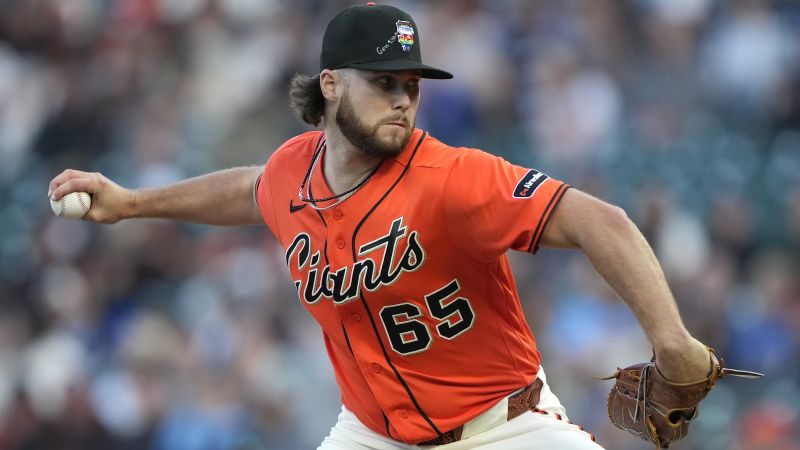
Why is baseball having a gay meltdown – On June 19, 2026, the San Francisco Giants faced a wave of controversy during their Pride Night celebration at Oracle Park. Three pitchers on the team, including starting hurler Landen Roupp, chose to defy the league’s uniform guidelines by incorporating biblical verses into their caps, sparking a heated discussion about religious expression in professional sports.
The Rise of Pride Nights in Major League Baseball
Since the 2020 season, 29 of the 30 Major League Baseball teams have embraced Pride Nights as part of their annual themed game lineup, aiming to honor LGBTQ+ communities and attract diverse fanbases. These events typically feature rainbow-colored uniforms, promotional materials, and symbolic gestures designed to foster inclusivity. The Texas Rangers remain the only team not to participate in this initiative.
While most teams focus on the symbolic aspect of Pride Nights, the Giants stood out by integrating the theme into their player gear. A rainbow logo adorns their caps, reflecting the team’s commitment to visibility and celebration. However, this decision became a flashpoint when three pitchers opted to personalize their hats with messages rooted in their faith, challenging the secular nature of the event.
A Clash of Symbols: From Pride to Scripture
During the game, Landen Roupp and two other Giants pitchers added their own interpretations to the Pride Night design. Roupp inscribed “Gen 9:12-16” on his cap, referencing a biblical passage about the covenant of the rainbow—a nod to God’s promise rather than the LGBTQ+ movement. The other players followed suit, displaying similar scriptural references on their gear.
“That’s just kind of something I believe in, and I stand firm in that, and I’m thankful we live in a country where, you know, we have the freedom to believe what we want … and express what we want,” Roupp told reporters after the game.
Their actions drew swift attention from Major League Baseball, which issued a verbal warning for violating uniform rules. The league clarified that players are not permitted to affix or display messages on their apparel, yet the Giants had previously agreed to the Pride-themed design. This contradiction has fueled accusations that the league is inconsistent in enforcing its policies.
Political Reactions and Legal Scrutiny
The incident quickly escalated beyond the ballpark, drawing criticism from high-profile figures. Missouri Senator Josh Hawley and other Trump administration officials claimed that MLB was discriminating against Christian players by penalizing them for their religious expressions. They argued that the league’s uniform rules, while allowing secular messages, now seemed to target faith-based symbols.
MLB has defended its stance, emphasizing that the warnings were routine and not tied to the content of the messages. The league stated, “This routine verbal warning not to wear the hat in future games is not disciplinary and had absolutely nothing to do with the content of the message. We respect players’ right to free expression.” Yet, the debate over whether this constitutes religious discrimination has intensified.
In response, Assistant Attorney General Harmeet K. Dhillon sent a public letter to MLB Commissioner Robert Manfred, urging the Equal Employment Opportunity Commission to investigate the matter. The letter highlighted federal law, which mandates that employers must reasonably accommodate religious practices. “Federal law is clear: employers must modify their uniform requirements to reasonably accommodate their employees’ exercise of religion,” Dhillon emphasized.
Florida’s Attorney General James Uthmeier also weighed in, announcing a formal probe into whether the league’s uniform policies are selectively enforced. “I am launching a formal probe into whether the league is engaging in religious discrimination by punishing Christian players for displaying Bible verses while routinely permitting and even encouraging secular, ‘social justice,’ and ideological messages,” Uthmeier stated.
The Giants’ Defiance and a Broader Pattern
While the Giants and Dodgers had the option to wear non-rainbow caps during Pride Night, two players on the Dodgers and one Giants player chose to avoid the themed gear. These choices were not met with the same level of public attention as the pitchers’ actions, raising questions about the league’s consistency in addressing religious expressions.
MLB’s uniform policy has been a recurring point of contention. In 2022, the Tampa Bay Rays attempted to join the Giants and Dodgers in commemorating Pride with dedicated caps and patches. However, five players opted out, wearing their regular uniforms instead. This decision, though allowed by the team, sparked criticism and prompted the league to encourage teams to avoid making uniforms central to Pride Night celebrations in the following year.
Freedom of Expression vs. Uniform Rules
The Giants’ pitchers argued that their actions were a form of free expression protected by the First Amendment. “We have the freedom to believe what we want and express what we want,” Roupp reiterated. MLB, however, maintains that its rules apply equally to all players, regardless of their beliefs. The league’s warning served as a reminder that personalized gear is optional, not a mandate.
Despite the symbolic protest, the Giants did not face formal disciplinary action. This leniency has been interpreted as a sign that MLB is willing to accommodate religious objections while enforcing its policies against secular expressions. The league’s stance appears to be one of balance: respecting individual beliefs without compromising its branding.
As the legal inquiries continue, the issue has sparked a broader conversation about the role of religion in sports. Critics argue that the league’s uniform rules are discriminatory, while supporters defend them as necessary for maintaining a cohesive brand. For now, the Giants’ pitchers stand by their choice, framing it as a personal conviction rather than a political statement. Their act of defiance, though small, has ignited a debate that stretches far beyond the field of play.
With the EEOC and state attorneys general now involved, the situation could set a precedent for future disputes. Whether this marks the beginning of a larger movement or a fleeting moment of controversy remains to be seen. What is certain is that the intersection of faith, identity, and corporate policy continues to shape the landscape of professional sports.