James Burrows, director of classic TV comedies including ‘Cheers’ and ‘Friends,’ dies at 85

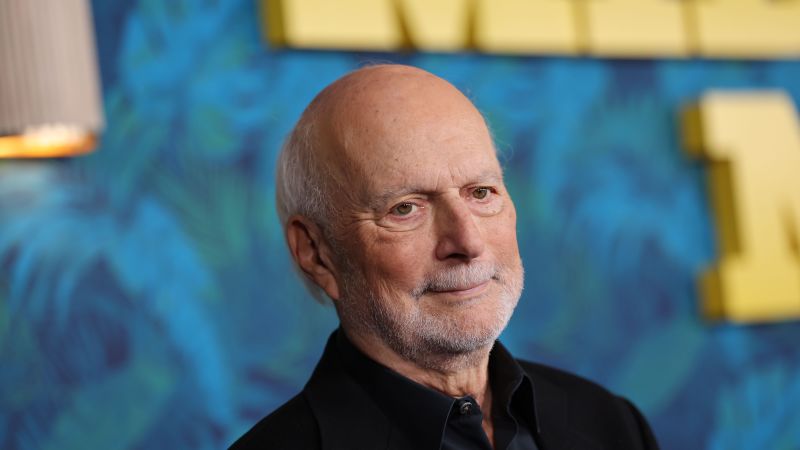
James Burrows, Creator of Iconic TV Comedies, Passes Away at 85
James Burrows director of classic TV comedies – James Burrows, a visionary television director whose work on beloved sitcoms like “Cheers,” “Friends,” and “Will and Grace” left an indelible mark on the genre, has died at the age of 85. His family announced the news in a heartfelt statement to People, revealing that he “passed away peacefully today surrounded by his family.” While the exact cause and location of his death were not disclosed, his legacy as a master of comedic storytelling remains vivid and enduring.
A Career Defined by Laughter and Humanity
Burrows’ career was built on a rare ability to blend humor with deep emotional resonance. Though many viewers may not recall his name beyond the opening credits, they recognize his influence through the iconic moments he crafted. From his early days in television to his later triumphs, Burrows consistently delivered shows that balanced witty dialogue with authentic character dynamics, earning him a reputation as one of the most respected figures in the industry.
Known for his meticulous approach, Burrows directed over a thousand episodes across decades of work. His tenure on “Cheers” was particularly notable, as he helmed 243 of the show’s 273 episodes. He also oversaw all 246 episodes of “Will and Grace,” a groundbreaking series that redefined the possibilities of sitcom storytelling. Beyond these, he contributed to the success of other classics such as “Frasier,” “Mike & Molly,” and the pilots of “Two and a Half Men” and “The Big Bang Theory.” Each project reflected his dedication to elevating the sitcom format, proving that great comedy is not just about jokes, but about capturing the essence of human connection.
“When I direct a television show, I try to reach that sweet spot where the best script meets the best performance and the best chemistry between performers,” Burrows wrote in his 2022 memoir, “Directed by James Burrows.” “Hitting that exact moment, where these factors land in combination, results in the sweetest and most enduring laugh.”
His family emphasized that Burrows’ contributions extended far beyond the screen. They described him as someone who “understood that great comedy was never simply about laughter. It was about humanity, connection, and truth.” This insight became the cornerstone of his career, which transformed the way sitcoms were crafted and received. More than his technical skill, his ability to nurture talent and foster collaboration made him a beloved figure among colleagues and creators alike.
From Broadway to Television: A Journey of Influence
James Burrows was born on December 30, 1940, in Los Angeles, but his early life was deeply rooted in the world of theater. At age 5, he relocated to New York, where he spent five years in the Metropolitan Opera Children’s Chorus before his voice matured. His passion for performance led him to LaGuardia High School of Music & Art, a rigorous program that shaped his artistic foundation. Burrows’ father, Abe Burrows, was a prominent writer, director, and producer whose Broadway successes included “Guys and Dolls” and “Can-Can.” This legacy of creativity and innovation would profoundly shape James’s path.
While growing up, Burrows had the unique privilege of witnessing his father’s work firsthand. He often dined with him at iconic New York restaurants like Sardi’s and Gallagher’s, and attended his New Year’s Eve parties where celebrities from all walks of life mingled. These experiences immersed him in the performing arts from a young age, fostering a deep appreciation for storytelling and the collaborative nature of theater. However, his professional journey began later than most, as he pursued higher education before diving into television.
After earning a bachelor’s degree from Oberlin College, Burrows enrolled in the graduate program at the Yale School of Drama. There, he studied under influential figures like actor-comedian Robert Klein, playwright John Guare, and film director John Badham. It was during this time that he discovered his love for directing, a passion that would define his career. His first taste of television came as a dialogue coach for Burl Ives on “O.K. Crackerby!,” a short-lived ABC sitcom directed by his father in 1965.
Breaking Barriers in Sitcom Direction
Burrows’ entry into television was marked by a blend of determination and opportunity. By 1974, after years of experience in stage management and theater, he found his calling when he watched Mary Tyler Moore’s eponymous show, “The Mary Tyler Moore Show.” Inspired, he reached out to Moore, writing a letter to inquire if there was “any opening small or smaller” at her production company. His letter caught the attention of Moore’s husband and business partner, Grant Tinker, who invited him to Los Angeles to direct an episode of the comedy.
Working with MTM Enterprises, Burrows refined his craft, helping to direct episodes for the network’s other sitcoms. His background in theater proved invaluable, as he applied techniques to enhance actor performances and scene composition. Burrows is credited with pioneering the use of four cameras in multi-camera television shoots, a shift that expanded the visual possibilities of sitcoms and set a new standard for production quality. This innovation, coupled with his focus on character-driven humor, allowed him to elevate shows like “Cheers” and “Will and Grace” into cultural phenomena.
“Burrows understood that great comedy was never simply about laughter. It was about humanity, connection, and truth. That understanding became the foundation of a career that forever changed television.”
His work on “Cheers” was a turning point, as it became one of the most successful sitcoms of the 1980s and 1990s. The show’s blend of witty banter and heartfelt moments resonated with audiences, and Burrows’ direction played a pivotal role in its success. Similarly, his helm over “Will and Grace” brought a fresh perspective to the genre, balancing humor with social commentary and personal storytelling.
Burrows’ influence extended beyond his own projects. He mentored countless writers and directors, fostering a creative environment where ideas could flourish. His colleagues often spoke of his generosity, recalling how he consistently remembered names and made everyone feel valued. This trait, combined with his belief in the potential of those around him, cemented his reputation as a mentor and a collaborator.
A Lasting Legacy
As the television industry evolved, Burrows remained a constant source of inspiration. His ability to connect with audiences through humor and sincerity ensured that his work would be remembered not just for its entertainment value, but for its emotional depth. Even as he stepped back from the spotlight, his contributions continued to shape the genre, leaving a legacy that endures in the laughter of millions.
James Burrows’ career was a testament to the power of dedication and vision. From his early days in theater to his groundbreaking work in television, he consistently delivered shows that resonated with viewers and creators alike. His passing marks the end of an era, but his influence will continue to inspire future generations of comedy writers and directors. As his family noted, Burrows will be remembered for his kindness, his unwavering belief in others, and the laughter he helped bring to the world—laughter that was as meaningful as it was memorable.