
Self-exiled Chinese billionaire gets 30 years in US jail for ‘astonishing’ fraud
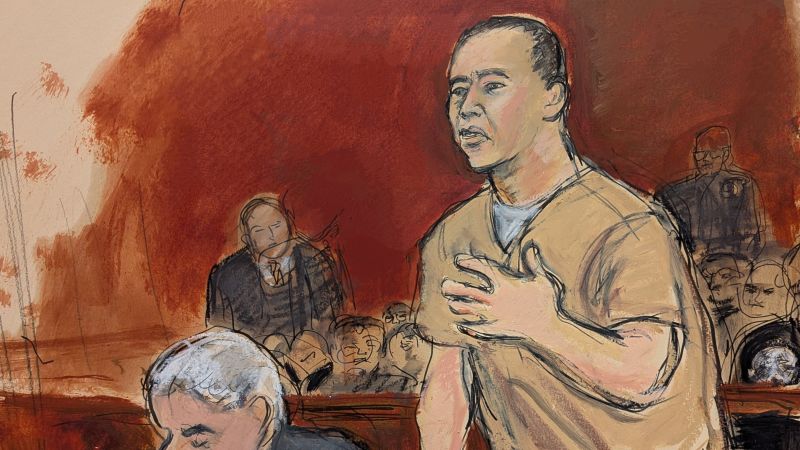
Self Exiled Chinese Billionaire Guo Wengui Gets 30-Year U.S. Sentence for Fraud
Self exiled Chinese billionaire gets 30 years – Guo Wengui, a self-exiled Chinese billionaire, has been sentenced to 30 years in U.S. prison for orchestrating a large-scale financial fraud scheme. The ruling, handed down in Manhattan by federal Judge Analisa Torres, concludes a seven-week trial that exposed how the entrepreneur allegedly defrauded thousands of investors worldwide. The sentence underscores the gravity of his actions, which prosecutors claim led to billions in losses and widespread economic disruption. Guo, who fled China in 2014, has long been a vocal critic of the Chinese Communist Party (CCP), but his legal troubles now tie his activism to a criminal indictment.
The Fraud and Its Global Fallout
Guo’s case centers on a multi-million-dollar investment scam that targeted individuals in China and abroad. Prosecutors allege he used his media empire, GTV Media Group Inc., and two shell companies—Himalaya Farm Alliance and Himalaya Exchange—to lure investors with promises of high returns. Between 2018 and 2023, the scheme reportedly siphoned over $1 billion from unsuspecting individuals, many of whom lost their life savings. Victims’ testimonies described the devastation caused by Guo’s deceit, including ruined businesses and fractured families. The judge called the fraud “astonishing” for its reach and impact across continents.
“I came to the U.S. to dismantle the CCP,” Guo stated during his brief court address, framing his actions as a political mission. This claim aligns with his self-exiled status and his role as a critic of China’s governance. However, his legal team argued that his exile was driven by a desire to expose corruption, not to commit fraud. The prosecution, on the other hand, emphasized that Guo’s wealth grew through exploitation, not ideological conviction.
Legal Proceedings and Defense Arguments
Guo’s trial highlighted the tension between his political motives and financial crimes. His lawyers contended that the U.S. justice system was being used as a tool to target Chinese dissidents. They cited evidence of his health struggles, including a severe stomach ache that reportedly forced him to miss parts of the proceedings. Prosecutors, however, dismissed these claims, asserting that Guo’s illness was a ruse to avoid accountability. The defense also stressed that his family’s ownership of a major Chinese securities firm played a role in his financial success, challenging the idea that he acted solely for personal gain.
During the sentencing phase, the judge acknowledged the emotional and financial toll of Guo’s alleged misconduct. She emphasized the victims’ suffering, citing letters detailing their losses and the erosion of trust in Chinese institutions. While Guo’s legal team argued for leniency based on his political background, the judge focused on the irreversible damage his schemes caused. The 30-year sentence reflects a balance between his role as a critic of the CCP and the scale of the fraud he is accused of perpetrating.
Guo’s case also draws attention to the intersection of finance and politics in global markets. His self-exiled status has made him a symbol of dissent, but his sentence now ties that identity to criminal behavior. The trial revealed how his media influence and business acumen were weaponized to manipulate investors, creating a web of deceit that spanned years. As the U.S. government continues to pursue high-profile cases against Chinese nationals, Guo’s story illustrates the complexities of legal accountability in an international context.
Restitution and Future Implications
As part of his sentence, Guo must pay $889 million in restitution to victims of the alleged fraud. This amount, calculated based on the total sums defrauded, represents a significant financial burden for those impacted. The court’s decision to impose such a hefty restitution highlights the severity of the offense and the expectation that Guo will make amends for the harm he caused. His legal team has since pledged to challenge the ruling, arguing that the sentence is excessive given the political context of his case.
The self-exiled Chinese billionaire’s sentence has sparked debates about the fairness of U.S. legal proceedings for foreign nationals. While some view it as a necessary step to hold individuals accountable for financial crimes, others see it as an extension of China’s diplomatic tensions. Guo’s case may also influence future prosecutions of business leaders who operate across borders, setting a precedent for how financial misconduct is judged in a globalized economy. Regardless of the outcome, his 30-year prison term marks a pivotal moment in his journey from activist to accused criminal.
