
Central banks think the US has become riskier. They plan to sell dollars and buy gold
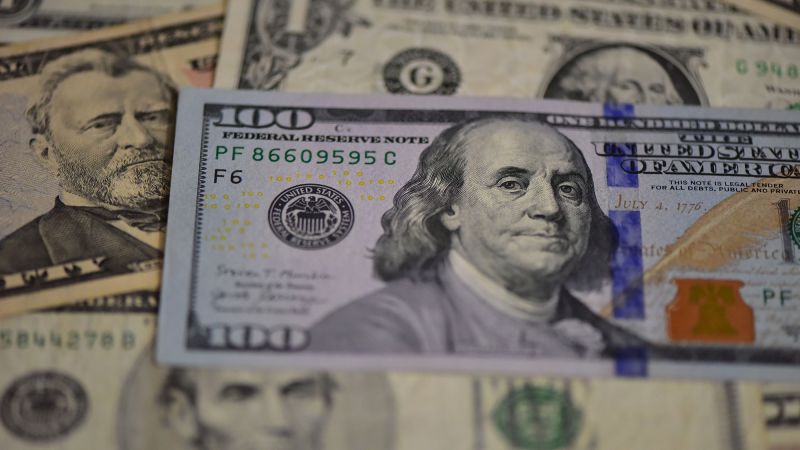
Central Banks Question US Dollar’s Stability, Turn to Gold
Global Concerns Emerge Over Dollar’s Dominance
Central banks think the US has become – Central banks are growing wary of the US’s increasing risk, signaling a significant shift in their monetary strategies. A recent survey indicates that more than half of the world’s central banks are now prioritizing diversification from the dollar, reflecting concerns about its long-term reliability. This marks a pivotal moment, as the desire to reduce dollar holdings has overtaken the intent to expand them for the first time since 2023. The trend highlights a broader reevaluation of the dollar’s role in international finance amid rising geopolitical tensions and economic uncertainties.
The survey, conducted by the Official Monetary and Financial Institutions Forum (OMFIF), was completed between March and May 2026. It involved 74 central banks globally, capturing their evolving preferences in currency allocation. The results reveal a gradual decline in the dollar’s dominance, with its share in global reserves hitting a two-decade low. While the dollar still accounts for about 58% of reserves, central banks are increasingly allocating funds to alternatives, such as gold, to counterbalance perceived risks associated with the US financial system.
“Geopolitics has become the primary factor driving central banks away from the dollar,” the OMFIF analysis noted. “The US’s role in escalating global conflicts and policy unpredictability has made it a less attractive currency for international reserves.” Andrea Correa, OMFIF’s head of research, emphasized that the dollar’s decline is not a sudden trend but a culmination of sustained economic and political pressures, which have intensified in recent years.
Political and Geopolitical Factors Undermine Dollar Confidence
Central banks think the US has become riskier due to a combination of domestic and international challenges. The administration of President Donald Trump has introduced new tariff policies, fueling concerns about the stability of American economic leadership. Concurrently, ongoing Middle East conflicts tied to US military interventions have disrupted global energy markets, further casting doubt on the dollar’s resilience as a safe-haven currency.
The report underscores that geopolitical risks are now the main driver of central banks’ strategic adjustments. With the dollar’s dominance waning, institutions are seeking alternative assets to safeguard against potential volatility. This shift is part of a broader effort to reduce reliance on the US currency, as central banks align their reserves with currencies perceived as more stable. The trend also reflects a growing preference for assets like gold, which have historically acted as a hedge during periods of uncertainty.
Emergence of Euros and Renminbi as Alternatives
As central banks think the US has become riskier, they are turning to the euro and renminbi as viable replacements. The euro, once a secondary choice, is now favored by two-thirds of surveyed institutions for global trade transactions. This represents a notable increase from 43% in the previous year, driven by the Eurozone’s economic resilience and the euro’s growing acceptance in international debt markets.
Meanwhile, the renminbi is gaining traction as a diversification tool, particularly with China’s expanding economic influence. Nearly all central banks cited the renminbi’s value in reducing exposure to the dollar, though its adoption remains gradual. These currencies are now playing a more prominent role in global financial systems, signaling a long-term realignment in reserve management strategies as the US dollar’s position faces increasing scrutiny.
Gold Reserves Rise Amid Dollar Uncertainty
Central banks are also boosting their gold reserves as a response to growing risks. A record number of institutions plan to increase gold holdings, even as prices have surged by over 20% in the past year. This strategy is designed to hedge against potential dollar devaluation and global market instability. Gold’s role as a stable store of value has made it an attractive option, especially as central banks seek to insulate their portfolios from the volatility associated with the US currency.
Experts note that this shift is not merely a temporary reaction but a strategic move toward a more balanced global financial system. By diversifying into gold, central banks are reinforcing their positions as the dollar’s dominance is challenged. This trend aligns with a broader movement toward “de-dollarization,” which aims to reduce the US’s influence on international trade and finance while enhancing financial resilience in the face of global uncertainties.
