
China conducts rare submarine-launched ballistic missile test, angering Pacific neighbors
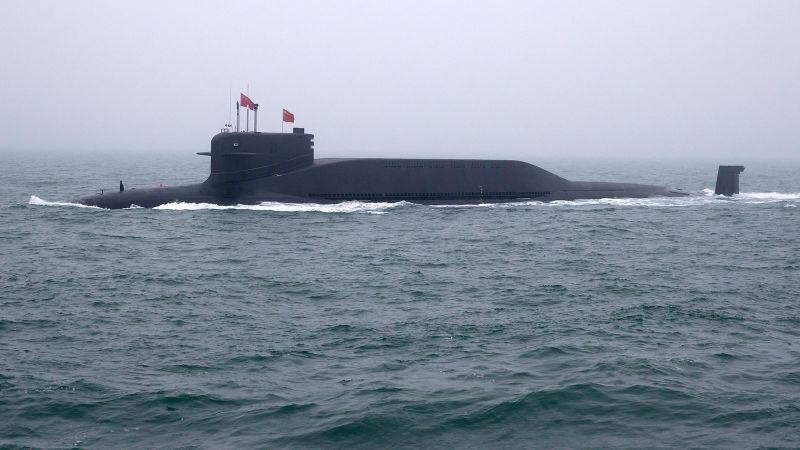
China Tests Submarine-Launched Missile, Heightening Regional Concerns
China conducts rare submarine launched ballistic – China conducts a rare submarine-launched ballistic missile test, sparking alarm in the Pacific region. On Monday, the People’s Liberation Army Navy launched a strategic missile from a submarine into designated waters, according to a military statement. While the test was described as a routine exercise, neighboring nations expressed unease over its implications for security. The operation, which occurred in the Pacific Ocean, is part of China’s ongoing efforts to enhance its naval capabilities, though it has drawn scrutiny due to its location near sensitive areas.
PLA Navy Clarifies Test Intentions
Senior Captain Wang Xuemeng, speaking on behalf of the PLA Navy, emphasized that the test “aligns with international norms” and targeted “no specific adversary.” The missile, which landed within the planned zone, was part of China’s annual training regimen. Although the exact model used was not revealed, analysts suggest it could be the JL-3, a long-range SLBM capable of striking the U.S. mainland from Chinese coastal waters. The test highlights China’s growing emphasis on submarine-based nuclear deterrence as a key pillar of its strategic defense posture.
“This launch was a standard exercise in our military training, ensuring operational readiness,” Wang stated.
Regional Reactions to the Test
New Zealand’s Foreign Affairs Minister, Winston Peters, voiced apprehension over the test, pointing to its location within the South Pacific Nuclear Free Zone. Established in 1986, the zone prohibits nuclear testing in the region, a commitment China signed in 1987. Peters noted the test “rekindled memories of 2024, when the PLA tested an intercontinental ballistic missile in the same area,” underscoring growing unease about China’s military activities. He urged greater transparency to ease tensions with regional partners.
“China informed us of its plans, yet this test feels like a strategic move without clear justification,” Peters remarked.
Australia’s Foreign Minister, Penny Wong, echoed similar concerns, calling the exercise “a destabilizing factor in the Pacific.” She highlighted that China’s rapid advancements in nuclear capabilities have outpaced its transparency, leaving allies uncertain about its intentions. “This test must be viewed in the context of China’s broader military expansion,” Wong said, stressing the need for clarity in its strategic actions.
Strategic Significance of SLBM Development
China’s development of submarine-launched ballistic missiles (SLBMs) reflects its ambition to establish a credible second-strike capability. The JL-3, first tested in 2018 and again in 2019, is a critical component of this strategy, enabling the country to project power across vast distances. With six operational Jin-class submarines in service, China has bolstered its ability to launch missiles from beneath the waves, a capability seen as vital for deterring potential threats.
“The JL-3’s range underscores China’s growing influence in the Pacific,” noted a CSIS missile analyst. “Such tests are part of a deliberate shift toward long-range strategic dominance.”
Experts also highlighted the broader implications of the test, linking it to China’s increased focus on maritime capabilities. The exercise, conducted alongside other military drills, demonstrates the nation’s commitment to strengthening its naval forces, which play a central role in its geopolitical strategy. While China claims the test was pre-announced, some nations argue that more detailed communication is necessary to alleviate fears.
Global Context of Missile Testing
China’s test is part of a wider trend of missile testing among nuclear powers. The U.S. Navy recently conducted four Trident SLBM launches off Florida, showcasing its continued reliance on submarine-based nuclear forces. Similarly, India tested a submarine-launched missile in December 2025, and Russia carried out an SLBM test in October of the same year. These actions, though routine for major militaries, have intensified discussions about the role of missile testing in shaping regional security dynamics.
“Missile tests are standard for nuclear nations, but their frequency and location matter,” said a defense strategist.
Despite the routine nature of such exercises, China’s tests in the Pacific have drawn particular attention due to their proximity to Pacific Island nations. The recent launch, combined with earlier tests, has raised questions about the country’s transparency and its strategic objectives in the region. As China continues to expand its nuclear arsenal, the focus on submarine-launched capabilities signals a new era in its military modernization efforts.
