
Utah revokes license for boarding school where Paris Hilton says she was abused as a teen
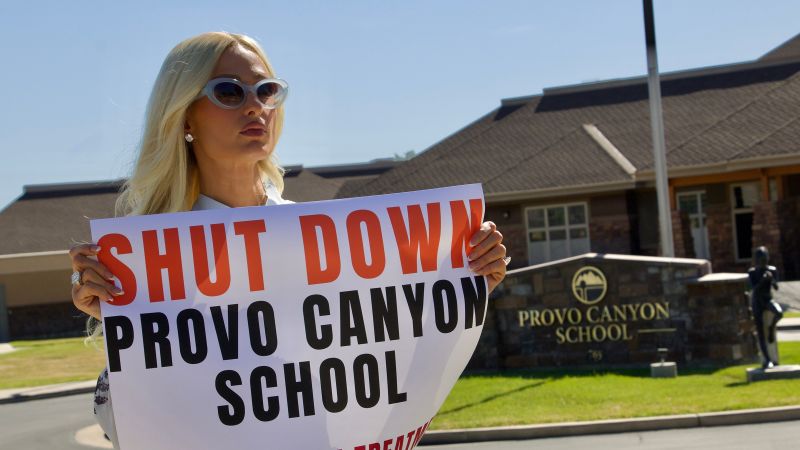
Utah Revokes License for Boarding School Linked to Paris Hilton’s Teen Abuse Claims
Utah revokes license for boarding school – Utah has taken the step of revoking the license of Provo Canyon School, a facility where socialite Paris Hilton claims she endured abuse during her teenage years. The decision, which became effective on Monday, follows allegations that the school “failed to provide applicable health and safety services for clients.” State authorities cited a range of compliance issues on the campus located in Springville, including staffing shortages, inadequate care protocols, and failures in employee background checks. The school now has a 15-day window to request a hearing with the Department of Health & Human Services, a critical opportunity to challenge the revocation.
Historical Noncompliance and Immediate Restrictions
The revocation is part of a broader pattern of oversight actions against the school, which has faced scrutiny for years. According to state records, the school’s violations extend back to 2025, encompassing multiple instances of neglect and improper procedures. These include a failure to maintain adequate staff-to-client ratios, the use of unnecessary restraints, and instances of aggressive physical contact. Additionally, the facility was found to have neglected routine care, such as failing to verify employee credentials or submit timely background checks for new hires. In May, temporary restrictions were imposed, citing a specific case where staff did not provide immediate medical attention to a student suffering from severe injuries.
The state’s decision underscores a growing concern over the safety and well-being of students in the troubled teen industry. Provo Canyon School, a prominent institution in this network, has been under investigation for its treatment of young individuals, particularly those with behavioral challenges. While the exact timeline of the school’s shortcomings remains under review, the cumulative effect of these violations has led to its license being stripped. The 15-day period for a hearing allows the school to present its case, but the state has also mandated that all services at the facility must cease by August 6, leaving little room for delay.
Paris Hilton’s Allegations and Personal Experience
Paris Hilton, the heiress and reality television star, has been a vocal advocate for reform since her time at Provo Canyon School in the late 1990s. She spent nearly a year at the institution, describing her experiences as traumatic. In a statement released on Tuesday, Hilton detailed how staff members subjected her to physical abuse, including beatings, and monitored her private moments, such as showering. She also alleged that unknown pills were administered to her without explanation and that she was locked in solitary confinement without clothing. “I was one of those children,” she said, emphasizing the personal stakes of the situation.
“For more than fifty years, children came forward with stories of abuse, neglect, and trauma. Today, the state confirmed what survivors have known all along: Provo Canyon School failed the children in its care. I was one of those children. I know what it feels like to cry for help and believe no one is coming. Today, children still inside that facility know someone is finally coming to protect them.”
Hilton’s account has resonated with many, particularly within the context of Utah’s long-standing role in the troubled teen industry. The state has historically been a hub for for-profit residential centers catering to children with behavioral issues. These facilities often operate with minimal oversight, making them susceptible to repeated violations. The revocation of Provo Canyon School’s license marks a pivotal moment in this industry, highlighting the state’s willingness to act on long-standing concerns.
Advocacy and Legislative Impact
Since disclosing her traumatic experiences, Hilton has become a central figure in efforts to reform the system. She has testified before Congress and state legislatures across the U.S., using her platform to raise awareness about the mistreatment of teens in such institutions. Her advocacy contributed to the passage of laws in Utah and 15 other states, aiming to improve conditions and protect vulnerable students. In June, Hilton returned to Provo Canyon School to support two families who filed lawsuits alleging their children were abused there. This visit symbolized both her continued engagement with the issue and the school’s current status under new ownership.
The school’s recent ownership change has not erased its past controversies, but it has also allowed the administration to distance itself from earlier practices. While the new leadership has not commented on the specific allegations from Hilton’s time, they have acknowledged the need for accountability. The revocation of the license now places the school in a precarious position, with its future hanging in the balance as it awaits the hearing. This action could set a precedent for other facilities in the troubled teen industry, prompting further scrutiny and regulatory action.
Legacy of the Troubled Teen Industry in Utah
Utah’s role in the troubled teen industry has been significant, with Provo Canyon School serving as a case study in the challenges faced by such institutions. The state’s decision to revoke the school’s license reflects a broader shift in how these centers are perceived and managed. For decades, these facilities have operated under a model that prioritizes behavioral correction over student welfare, often employing strict methods such as solitary confinement and physical restraints. However, as public awareness of these practices has grown, so too has the pressure on states like Utah to intervene.
Provo Canyon School’s situation highlights the systemic issues within the industry. While the school has now been placed under new management, the legacy of its past actions remains. The temporary restrictions imposed in May and the subsequent revocation of its license demonstrate a commitment to addressing these concerns. For Hilton, the revocation represents a validation of her claims and a step toward justice for those who have suffered under similar conditions. As the state moves forward, the focus will be on ensuring that the new administration takes responsibility for the school’s future and implements changes to prevent further harm.
The impact of this decision extends beyond the immediate closure of the facility. It signals a turning point for the troubled teen industry, with states likely to follow Utah’s example in holding institutions accountable. Provo Canyon School’s case has sparked conversations about the need for stricter oversight, more transparent practices, and greater support for students in these environments. As the school faces the possibility of permanent closure, its story serves as a reminder of the importance of protecting children from abuse and ensuring they receive the care they deserve. Hilton’s continued efforts to shine a light on these issues will remain crucial in shaping the future of the industry and advocating for the rights of those who have been affected by it.
