
Nigel Farage quits UK parliament amid financial donations controversy and will seek re-election
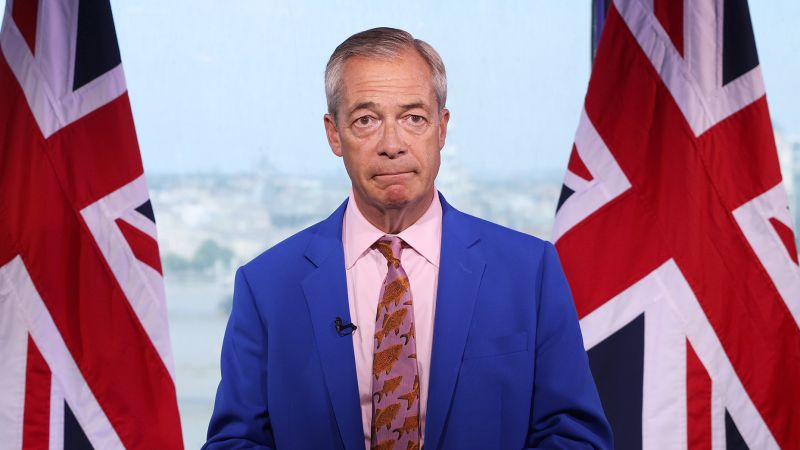
Nigel Farage Resigns from UK Parliament, Eyes Re-election
Nigel Farage quits UK parliament amid – Nigel Farage resigns from UK parliament, marking a pivotal moment in his political career. The Reform UK leader has announced his departure from the House of Commons, setting the stage for a by-election where he plans to run again for the constituency of Clacton-on-Sea in Essex. This decision comes amid escalating scrutiny over his financial contributions, which have ignited discussions about transparency and accountability in British politics. Farage’s resignation, shared through a YouTube video on Tuesday, aims to shift the focus back to the voters, allowing him to re-enter the race as a candidate. His move underscores the ongoing tension between personal wealth and public service in modern governance.
Financial Donations Scandal and By-election Strategy
Nigel Farage resigns from UK parliament, a move that has drawn attention to his financial ties and donations. The UK Parliament’s standards watchdog is investigating his wealth sources, with allegations suggesting he may have failed to disclose significant contributions from individuals like George Cottrell. Cottrell, a businessman with a history of legal issues, was indicted in 2016 for money-laundering and wire fraud. Farage’s resignation appears to be a calculated step to control the narrative, as he prepares to campaign in the upcoming by-election. This strategic timing allows him to frame the debate around his personal accountability and the people’s right to judge his actions.
“Let me be absolutely clear, I have done nothing wrong. I have not broken the law in any way at all,” Farage stated in his video announcement. “I’ve decided the people of Clacton should be the judges of my actions.”
Political Impact and Public Perception
Nigel Farage resigns from UK parliament, leaving a significant void in the Reform UK party’s leadership. His departure has raised questions about the party’s future direction, especially as it navigates internal debates over his role in the Brexit movement. The financial donations controversy has amplified public perception of his influence and the potential for conflicts of interest. While some argue his earnings reflect his political acumen, others see it as a sign of self-serving behavior. This division highlights the broader challenges faced by UK politicians in balancing private interests with public duties.
Farage’s financial dealings have become a focal point of the scandal. Reports indicate he received a £5 million gift from Christopher Harborne, a billionaire with ties to the financial sector. This donation, made shortly before his 2024 general election bid, has prompted calls for greater transparency in political fundraising. Despite these claims, Farage remains steadfast in his defense, emphasizing his contributions to the UK’s political landscape. The by-election in Clacton-on-Sea is expected to test his ability to maintain public support in the face of these allegations.
Context and Implications for UK Politics
Nigel Farage resigns from UK parliament, joining a wave of political resignations that reflect shifting priorities within the country. His exit follows the recent departure of Prime Minister Keir Starmer, who stepped down amid internal pressures in the Labour Party. The Reform UK party’s strategy to retain Farage as a candidate highlights the importance of his public image, even as scrutiny over his financial activities intensifies. This situation underscores how personal finances can influence political careers and how voters may perceive leaders differently when transparency is questioned.
As the by-election approaches, the financial donations controversy is likely to shape the campaign’s dynamics. Farage’s ability to reconcile his financial success with his political integrity will be critical to his re-election prospects. The ongoing investigation into his wealth sources could also impact the broader conversation about ethical standards in UK politics. Whether voters see him as a reformer or a self-promoter may determine the outcome of this election and the trajectory of his political influence moving forward.
