
What a young generation of basketball players can learn from Kyle Lowry
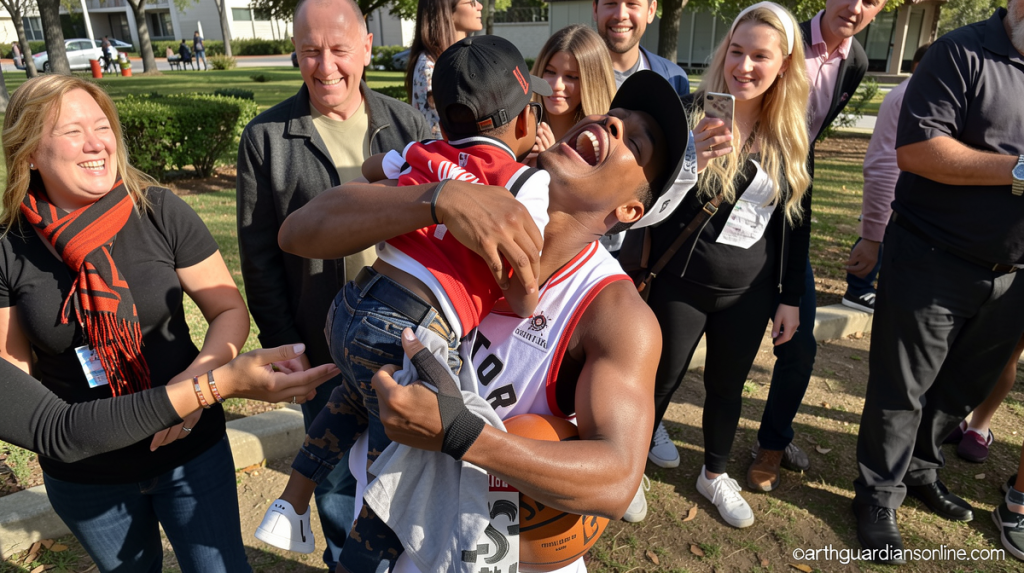
Kyle Lowry's Legacy: What Today's Basketball Generation Can Learn
The Villanova Revolution That Changed College Basketball
What a young generation of basketball – Before Jalen Brunson elevated Villanova to national prominence with the New York Knicks, the university had already established an identity that would define its basketball program for decades. This transformation began unexpectedly in the mid-2000s when head coach Jay Wright was beginning to leave his mark on college basketball. The catalyst? Injuries to key players. Forward Curtis Sumpter suffered an ACL tear, while center Jason Fraser dealt with persistent knee problems. These setbacks forced Wright to deploy a four-guard offense that would forever change how Villanova played.
The quartet of Randy Foye, Allan Ray, Mike Nardi, and Kyle Lowry became the foundation of Wright’s system. Their four-out, one-in approach evolved into the Wildcats’ signature style, creating a lineage of excellence that connected these original guards through Scottie Reynolds, Corey Fisher, Ryan Arcidiacono, and eventually Brunson.
Lowry: The Hard-Edged Archetype
Among this distinguished group, Kyle Lowry stood apart as the quintessential tough player. Known for his posting-up ability and distinctive “booty-balling” style, Lowry embodied everything Villanova basketball represented. Wright recruited him specifically because he needed “a hard ass” on the roster—a player who wouldn’t back down from any challenge.
During his two seasons at Villanova, Lowry fundamentally altered the Wildcats’ trajectory. He carried that same relentless mentality into the professional ranks, where he would enjoy a remarkable twenty-year career. His accomplishments include an Olympic gold medal and an NBA championship, achievements earned through his unique combination of playmaking, physicality, and defensive prowess.
> “Of them all, Lowry – who announced he would retire after signing a one-day contract with the Toronto Raptors – was the hard-scrabble, posting up, booty-balling archetype.”
A Career Built on Iron Will
Lowry’s path to greatness wasn’t paved with natural size or elite skill. Standing as one of the smaller players on most courts, he compensated with determination and basketball IQ. His career culminated in becoming a six-time All-Star and the honor of carrying the American flag at the 2016 Summer Olympics closing ceremony in Rio de Janeiro.
What set Lowry apart was his refusal to accept defeat. Even years after leaving the Connie Mack playgrounds in North Philadelphia, he played with the same intensity as if every loss meant missing out on the next opportunity. His near-pigheaded obsession with the game earned him respect from coaches, teammates, and opponents alike.
The Beautiful Dichotomy
Lowry’s personality contained contradictions that made him both challenging and lovable. His iron will sometimes manifested as stubbornness, while his basketball obsession occasionally created tunnel vision. Teammates and reporters alike remember his unique interview style—initially defensive and rebuttal-heavy before transforming into an animated storyteller.
> “I can still see Lowry plopped on a table in the old Villanova media room, legs dangling over the edge as he gave me the side eye.”
His rebellious spirit showed early. He missed his freshman orientation to play pickup basketball, only to tear his ACL in the process. Rather than following medical advice, he rehabbed in defiance of doctors, sneaking into games with regular students while officially recovering. Remarkably, he returned to the lineup just three months after the injury.
Challenging Authority
Lowry never hesitated to challenge authority figures, including his own coach. He zigged when Wright zagged, asked questions when obedience was expected, and preferred improvisation over structure. Yet this very quality made him invaluable—he brought a manic desire to win that infused the entire program.
His fearless approach extended to his teammates as well. He challenged Nardi when first cleared to practice, refused to defer to senior players Foye and Ray, and made everyone around him tougher through his competitive fire.
The Game That Changed Everything
December 2005 marked a turning point for both Lowry and Villanova. Facing No. 2 Kansas with a modest 10-4 record, the Wildcats found themselves in trouble during the first half. The pivotal moment came when Lowry, trapped deep in the paint, threw a punch at Keith Langford’s groin. The ejection sparked something in the team, igniting a 34-6 second-half run that secured the upset victory.
This game catalyzed a transformation. Villanova went on a 36-4 run, winning eleven of their next thirteen regular-season contests. Despite missing Sumpter in the NCAA tournament, they pushed eventual national champion North Carolina to the limit in the Sweet 16.
Lessons for a New Generation
As today’s basketball players grow up expecting transfers at the first sign of difficulty and demanding payment before fully committing to their craft, Lowry’s career offers valuable lessons. His journey from a stubborn freshman who missed orientation to an Olympic flag bearer demonstrates that success comes through perseverance, not entitlement.
Lowry proved that being the smallest or least naturally gifted player doesn’t prevent greatness. Through sheer willpower, basketball obsession, and an unyielding desire to win, he became one of the most respected players in the game. His retirement marks the end of an era, but the lessons he taught—both on and off the court—will continue to inspire future generations of basketball players.
