
Man accused of shooting two National Guard members hospitalized after refusing to eat in jail
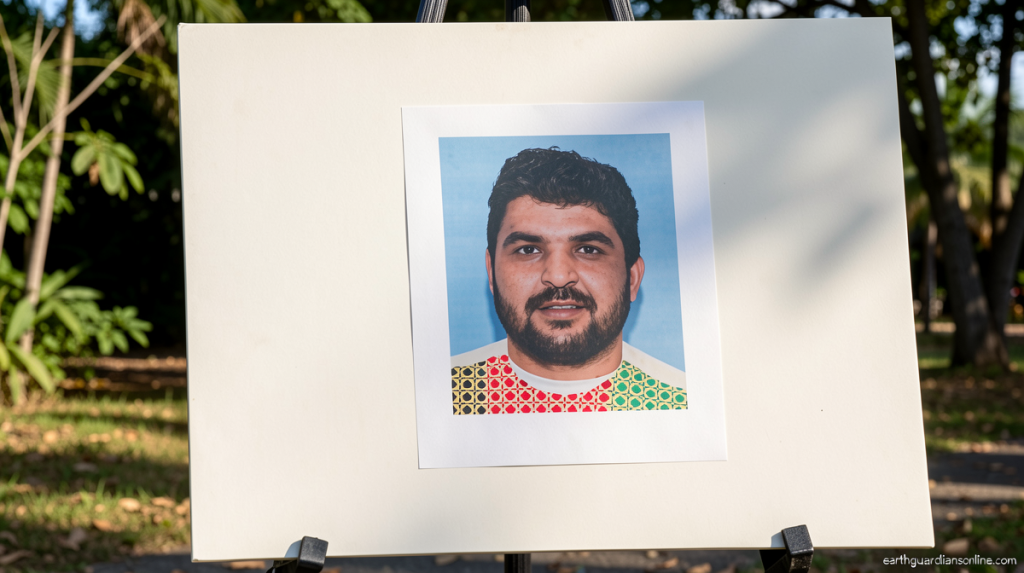
Man Accused of Shooting Two National Guard Members Hospitalized
Health Crisis Leads to Emergency Court Appearance
Man accused of shooting two National – Rahmanullah Lakanwal, the suspect facing serious charges for allegedly attacking two National Guard personnel in Washington, DC, has been transferred to a medical facility after refusing to eat for an extended period while in custody. The dramatic incident that initiated this legal case unfolded in the nation’s capital during 2025, when Lakanwal reportedly ambushed the service members, killing one and wounding another in what prosecutors describe as a targeted attack.
During an emergency judicial proceeding held on Thursday, DC federal Judge Amit Mehta addressed the courtroom regarding Lakanwal’s deteriorating physical condition. The presiding judge noted that the defendant’s “health has deteriorated quite substantially” and characterized the situation as partly “self-inflicted” in nature. According to the judge’s observations, Lakanwal has consistently declined food offerings and has occasionally refused water as well, raising serious concerns among medical professionals and correctional staff alike.
Prosecutors confirmed that Lakanwal was admitted to George Washington University Hospital at midnight, following mounting concerns raised by correctional authorities about his wellbeing. The US Marshal Service had previously notified legal representatives about general health complications the defendant experienced approximately two weeks prior to his hospitalization. This timeline suggests that the current medical crisis may have been developing for some time before reaching critical levels that necessitated immediate medical intervention.
Legal Proceedings Continue Amid Medical Uncertainty
During the emergency hearing, Judge Mehta authorized prosecutors access to Lakanwal’s medical records spanning the previous 24 hours. These documents, which have remained under seal throughout the proceedings, are expected to provide crucial guidance for determining the appropriate course of action in the case. The sealed status of these records indicates that the court considers them sensitive and potentially significant to the ongoing legal proceedings and potential trial schedule adjustments.
Lakanwal entered a not guilty plea to all nine charges brought against him in February of this year. These charges include first-degree murder, among other serious offenses related to the deadly attack. The defendant originally traveled from Washington state to the capital city in late November before allegedly carrying out the ambush on the two National Guard officers, setting the stage for what would become one of the most high-profile cases in recent DC history.
“Mr. Lakanwal’s health circumstances,” Mehta said, “is in some sense self-inflicted.”
Victim Details and Case Background
The shooting incident claimed the life of Sarah Beckstrom, one of the National Guard members who sustained a gunshot wound to the back of her head. She was pronounced dead the day following the attack, becoming the first casualty of what would become a major federal case. Andrew Wolfe, the second National Guard member involved, survived the assault and remains a key witness in the case against Lakanwal, providing critical testimony about the events of that day.
Lakanwal brings a significant background to this case, having worked with the Central Intelligence Agency for more than ten years in Afghanistan before the United States military concluded its withdrawal from the country. His arrival in the United States occurred in 2021, establishing his presence in the nation for several years prior to the incident. This extensive experience in Afghanistan may prove relevant to understanding his motivations and actions.
The Justice Department has announced its intention to pursue the death penalty against Lakanwal, reflecting the severity of the charges and the circumstances surrounding the attack. This decision underscores the federal government’s commitment to seeking maximum punishment for what it considers a particularly egregious crime against national service members. The pursuit of capital punishment demonstrates the seriousness with which federal authorities are treating this case.
As the case moves forward, the combination of Lakanwal’s medical condition, the sealed records, and the prosecution’s strategy will likely shape the trajectory of the legal proceedings. The court will need to balance concerns for the defendant’s health with the need to ensure a fair and thorough trial for all parties involved. Legal experts suggest that the medical situation could potentially delay trial proceedings, though prosecutors remain confident in their ability to proceed when appropriate.
