
Florida teen drops addiction case against Meta ahead of second ‘bellwether’ trial
Florida Teen Drops Addiction Case Against Meta Before Second Bellwether Trial
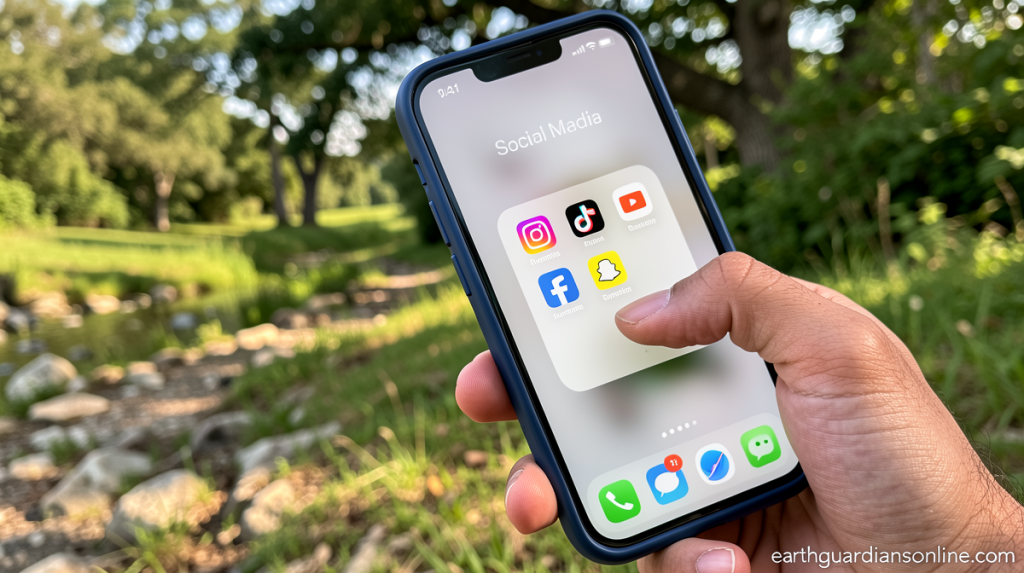
Earthguardiansonline.com – A Florida teen drops addiction case against Meta, sparing the social media giant from a second major trial accusing it of intentionally addicting and harming teenagers. The plaintiff officially withdrew the lawsuit on Wednesday, just days before trial was scheduled to commence in Los Angeles. The teenager, identified by his initials R.K.C., originally filed suit in 2023 against Meta, TikTok, YouTube, and Snap, claiming that the “addictive design” of these platforms hooked him and caused significant harm.
Background of the Bellwether Litigation
R.K.C. argued that the addictive nature of social media platforms led to severe sleep deprivation, suicidal thoughts, and various other mental health challenges. His case was poised to become the second “bellwether” trial among hundreds of similar lawsuits filed against these technology companies. Earlier this year, Meta and YouTube were found liable in the first bellwether case, setting an important precedent for future litigation. In recent weeks, R.K.C. settled his claims with YouTube, TikTok, and Snap under undisclosed terms, leaving Meta as the sole remaining defendant.
However, on Wednesday, Meta announced that R.K.C. had dropped the case against the company without receiving any financial compensation. This development comes as Meta continues to vigorously defend itself against what it characterizes as baseless lawsuits targeting its business model.
Meta’s Response and Legal Strategy
“The claims never held up, and this outcome makes clear that we will not back away from defending ourselves against baseless lawsuits,” Meta spokesperson Liza Crenshaw said in a statement regarding the case dismissal.
Attorneys for R.K.C. framed the litigation as a victory for social media accountability. “In light of the overall successful result of the litigation and his concerns about enduring a grueling weekslong trial, he has elected to withdraw his claims against Meta. He’s ready to close this chapter and focus on his recovery and engage in therapy as he aspires to have a normal life,” attorneys Emily Jeffcott and Rahul Ravipudi explained in their Wednesday statement.
The Florida teen drops addiction case decision marks a significant win for Meta amid a growing wave of litigation from families, school districts, and state attorneys general. These legal actions claim that the company’s platforms have harmed young people through addictive design and inadequate safety measures. Beyond the Los Angeles ruling against Meta and YouTube, a New Mexico jury in March ordered Meta to pay $375 million for failing to protect children from sexual predators on its platforms.
Additionally, in May, Meta, YouTube, Snap, and TikTok agreed to settle a lawsuit brought by a Kentucky school district over addiction claims. That settlement, while financial terms remained undisclosed, was set to be the first of hundreds of similar cases to proceed to trial. Meanwhile, trial is currently underway in another case brought by Tennessee’s attorney general, alleging that Meta knowingly harmed young people’s mental health through its platform design.
Meta has long maintained that it invests heavily in guardrails and features designed to make its platforms safe for young users. The company argues that these investments demonstrate its commitment to youth safety while acknowledging the challenges of balancing engagement with protection. The Social Media Victims Law Center, which coordinates the litigation of hundreds of cases brought by individuals and families against the four major platforms, declined to comment on R.K.C.’s decision to drop his case against Meta.
As the legal landscape continues to evolve, this dismissal provides temporary relief for Meta while the broader question of social media addiction and corporate responsibility remains unresolved. The outcome may influence how other plaintiffs approach their claims and how technology companies design their platforms going forward.
