
The Michelin Guide has awarded stars for 100 years. These dishes tell its story
The Michelin Guide Has Awarded Stars for a Century: Iconic Dishes That Define Its Legacy
Earthguardiansonline.com – For nearly a century, the Michelin Guide has awarded stars to restaurants worldwide, creating a benchmark for culinary excellence. What began as a simple tire company’s marketing tool in 1900 has evolved into the most prestigious dining accolade on the planet. The Michelin Guide has awarded stars since 1926, when undercover inspectors first began evaluating restaurants for their quality and consistency.
The original red guidebook was distributed to French motorists with practical information about routes, repairs, and dining options. The strategy was straightforward: encourage more driving, which meant more tire wear. As the guide gained popularity, it introduced the now-iconic one-, two-, and three-star system in 1931, establishing criteria that remain largely unchanged today.
From French Roads to Global Recognition
Today, the Michelin Guide spans 28 editions across more than 25 countries, maintaining its reputation as the gold standard for fine dining. The impact of receiving a star extends far beyond prestige—it transforms restaurant reservations, revenue streams, and staffing capabilities. As British chef Tommy Banks noted, the recognition provides “a lot of clout and relevance” in an increasingly digital world.
Despite occasional criticism that the guide favors French gastronomy or expensive tasting menus, Michelin maintains that its selection process remains completely independent. Anonymous inspectors evaluate restaurants without bias, ensuring that quality matters more than location or price point.
Legendary Dishes That Tell the Story
Among the most celebrated creations is Joël Robuchon’s Pommes Purée, which uses just four ingredients: La Ratte potatoes, butter, milk, and salt. The technique involves slowly incorporating vast quantities of chilled butter while vigorously stirring by hand, resulting in a dish that is approximately 50% butter and 50% potatoes. This elegant creation continues to be served at Robuchon au Dôme in Macau, one of the three Michelin-starred locations bearing his name.
Another timeless masterpiece comes from Eugénie Brazier, who earned three Michelin stars in 1933 for her Lyon restaurant—a record that stood for over six decades. Her signature poularde demi-deuil features Bresse chicken with black truffles tucked beneath the skin before poaching. The name translates to “chicken in half mourning,” referencing the visual contrast between the dark truffles and white meat.
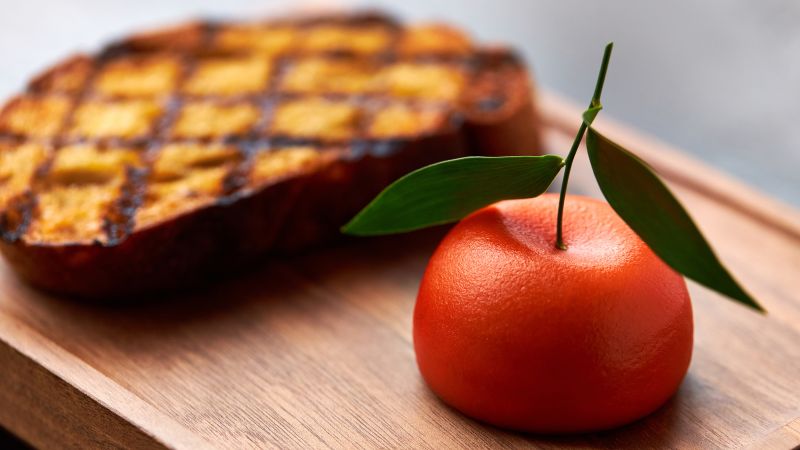
At Dinner by Heston Blumenthal in London, the “Meat Fruit” dish pays homage to Tudor-era culinary tricks from around 1500. This creation disguises savory ingredients as fruit, continuing a tradition of visual deception that has captivated diners for centuries.
FAQ: Understanding the Michelin Star System
When did the Michelin Guide first award stars? The Michelin Guide has awarded stars since 1926, when it first hired undercover diners to evaluate restaurants. The three-tier rating system was formalized in 1931.
How many countries does the Michelin Guide currently cover? The guide spans 28 editions across more than 25 countries, making it a truly global assessment of dining quality.
What does each star level represent? One star indicates “high-quality cooking, worth a stop”; two stars mean “excellent cooking, worth a detour”; and three stars are reserved for “exceptional cuisine, worth a special journey.”
Is the Michelin Guide selection process fair and unbiased? Yes, Michelin states that its selection process is determined by anonymous inspectors and remains completely independent, free from external influence or paid partnerships.
“It’s testament of how relevant it is, at a time when everything’s available on social media, that Michelin still means a lot because it’s a chef’s award and international.” — Tommy Banks, British chef with two Michelin-starred restaurants
