
The BBC’s best thriller has never been stronger – it’s being let down
The BBC’s best thriller has never been stronger – it’s being let down
People frequently inquire about my current viewing choices, and for the past three weeks, I’ve been enthusiastically promoting The Capture to anyone willing to engage. I assumed my friends would share my fervor, yet their responses have been muted, as if the show’s brilliance hasn’t quite reached the mainstream.
From quiet success to overlooked potential
Upon its debut in 2019, The Capture quietly gained traction, eventually drawing over five million viewers – a remarkable achievement for a new crime series. The show also launched the career of Callum Turner, who was tipped as a future James Bond and earned a BAFTA nomination for his role.
Despite its early promise, The Capture hasn’t captured the cultural spotlight it deserved. With the same buzz as Line of Duty or the recent revival of The Night Manager, it could have become a phenomenon, sparking conversations and debates. Instead, it remains under-discussed, maintaining a small but dedicated audience, even as its relevance grows.
Technology’s role in the show’s premise
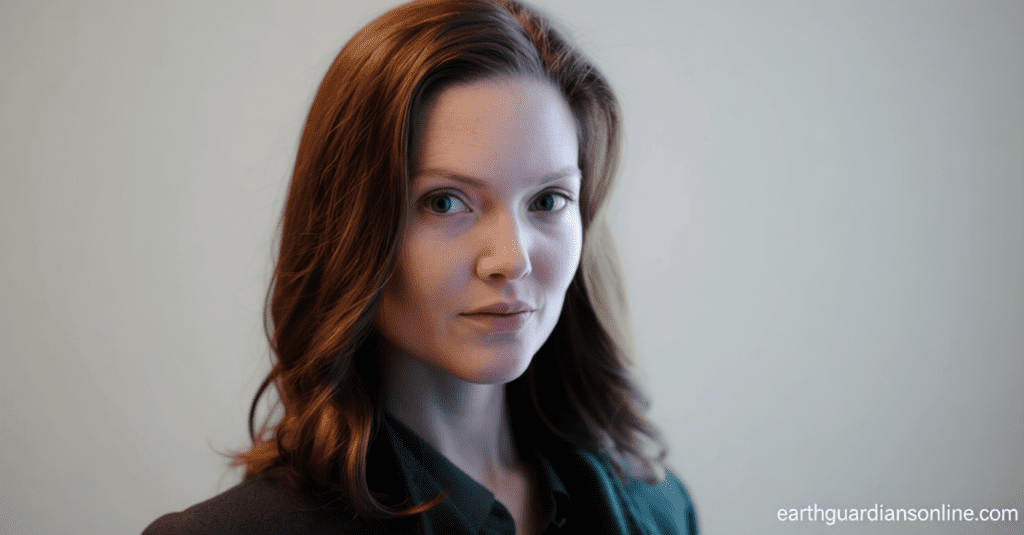
The Capture stars Holliday Grainger as Rachel Carey, a relentless detective navigating a world where digital evidence is manipulated so convincingly that reality itself is in question. The show’s premise – that CCTV footage can be altered to mislead – once seemed far-fetched, dismissed as sci-fi by some.
Now, with deepfakes rampant on platforms like TikTok and political misinformation shaping public discourse, the idea that video evidence is no longer trustworthy feels eerily prescient.
This foresight makes The Capture remarkable. It hasn’t just kept pace with current trends; it’s anticipated them. The second series pushed the show’s chilling concept further, depicting falsified live broadcasts influencing elections and public sentiment. Its third season, currently airing Sundays on BBC One, has reached peak form, delivering its best work yet.
In the latest episode, Rachel Carey witnesses a shooting, only for the suspect she identifies as the triggerman to become her own colleague. This twist leaves viewers disoriented, a sensation I haven’t experienced in a long time. Yet, the response has been underwhelming, with viewership figures falling short.
Scheduling missteps and missed opportunities
The first episode attracted 1.84 million viewers on its debut, but this number pales in comparison to the 16 million that Line of Duty averaged in 2021. While streaming on iPlayer will likely boost these numbers, the show’s lack of a prime-time push has hindered its visibility.
Earlier this year, the BBC also launched Lord of the Flies, an adaptation by Jack Thorne that was hailed as a triumph. However, like The Capture, it was quietly released on iPlayer before its main broadcast, leading to a sharp decline in ratings by nearly 1 million.
Both shows exemplify the BBC’s ability to craft compelling thrillers, yet their scheduling has limited their impact. The Capture deserves more than a quiet launch; it should dominate headlines, spark discussions on morning shows, and gain traction in awards season. Without a stronger push, it risks being overshadowed by other acclaimed series in the network’s lineup.
