The Buffalo Bills’ new stadium has some seats with obstructed views. What’s worse are the ticket prices

Daftar Isi
Bills Fans Face Steep Costs and Sightline Issues at Highmark Stadium Debut
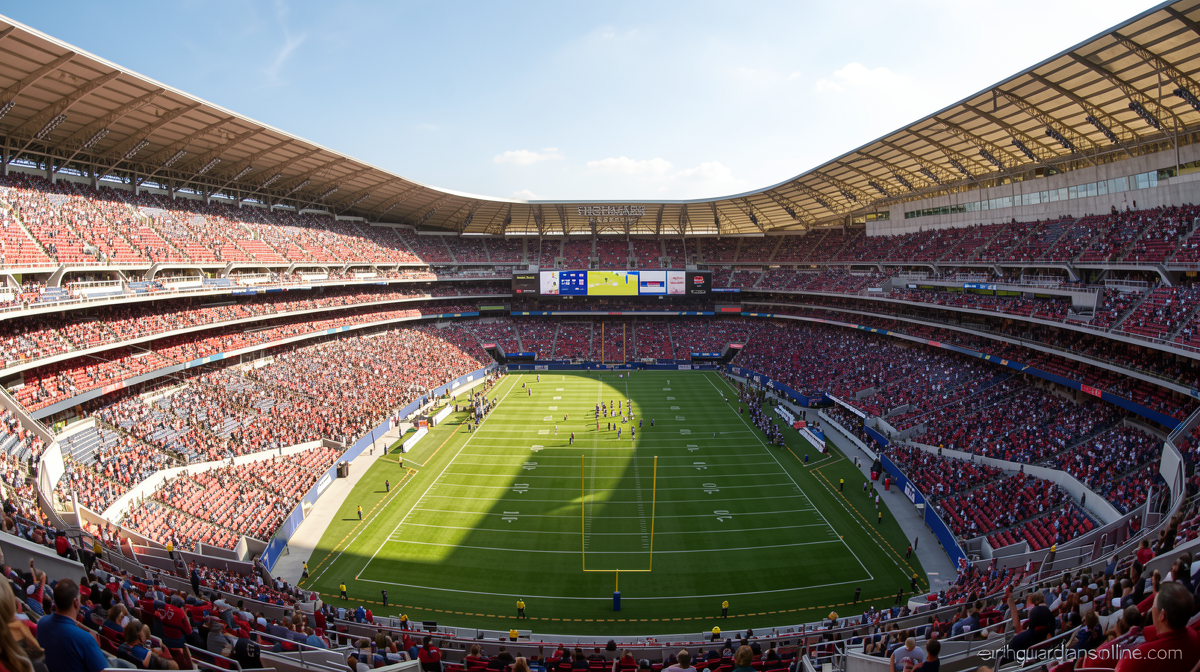
Earthguardiansonline.com – The Buffalo Bills are set to host their inaugural preseason contest at Highmark Stadium this weekend, but the excitement is tempered by mounting concerns from supporters. Season ticket holders who attended a recent open practice gained their first glimpse of the facility and many expressed dissatisfaction with both the viewing experience and the financial burden. Social media platforms have been inundated with images capturing limited field visibility from certain seating sections, yet this visual concern represents only a fraction of the broader challenge facing attendees.
The Financial Reality of Modern Stadiums
Beyond the sightline complaints lies a more substantial issue: the escalating expense of attending games at the $2.2 billion venue. The financial structure includes not only elevated ticket prices but also personal seat licenses, commonly referred to as PSLs. These licenses grant fans the privilege to purchase season tickets rather than the tickets themselves. The cost spectrum for PSLs ranges dramatically from $750 to $50,000 per seat, adding a significant layer to the overall expense of being a Bills supporter.
This financial model arrives alongside $850 million in public funds already contributed toward construction. The combination of taxpayer investment and private fan contributions has created a pricing environment that some longtime supporters find difficult to justify.
A Fan’s Perspective on the Changes
Angelica James, a season ticket holder whose seats between the 20- and 30-yard lines remained unobstructed, made a deliberate choice to accept inferior seating this season while maintaining the same expenditure as the previous year. Despite the inconvenience, she maintains a balanced perspective on the situation.
It’s not just the Bills. It’s everyone in the world is trying to make money.
James and her husband Cameron had anticipated paying for PSLs alongside moderately increased ticket prices. However, a meeting for season ticket holders revealed a startling reality: their previously purchased seats, costing $4,300 each the prior year, would now require $8,610. The couple ultimately decided to abandon their club seats, which included weather protection and access to private bars and restrooms, opting instead for general admission seating with PSLs priced at $6,000 each.
National Trends in Stadium Development
The Bills are not alone in this stadium evolution. Five additional National Football League franchises are preparing new facilities within the next five years. These projects span Hammond, Indiana for the Chicago Bears, as well as developments in Cleveland, Kansas City, Tennessee, and Washington, DC. Each of these venues is expected to introduce similar financial structures, including PSLs, premium seating options, and reduced numbers of affordable seats.
Historical precedent provides guidance for what fans might expect. Victor Matheson, an economics professor at the College of the Holy Cross who focuses on sports business, notes that the NFL’s previous stadium construction wave at the beginning of this century resulted in a 30 percent increase in average ticket costs during the inaugural year of new facilities. He anticipates this current cycle will produce comparable or greater increases, alongside more expensive PSL arrangements.
The Economics of Personal Seat Licenses
PSLs have become a standard feature in modern NFL stadiums, largely because they generate substantial revenue. Under league regulations, teams must distribute a portion of ticket sales revenue to other franchises. However, all income derived from PSLs remains with the originating team. This financial advantage explains why every NFL franchise with a new stadium has adopted the practice since the Carolina Panthers pioneered PSLs at Ericsson Stadium in 1996.
The Bills’ approach has been particularly aggressive. Kurt Badenhausen, a sports business reporter for Sportico, estimates that the franchise raised approximately $250 million through PSL sales for the 60,000-seat facility. This translates to an average of roughly $4,000 per seat, which fans pay in addition to season ticket costs. For Highmark Stadium, season ticket prices for comparable seating can reach twice the amount charged at the previous venue.
Capacity, Demand, and the Fan Experience
New stadiums offer enhanced amenities including wider seating, improved concourses, and upgraded concession areas. Marc Ganis, a sports business consultant who collaborates with the NFL and multiple franchises, explains that these improvements theoretically enhance the overall fan experience. However, additional amenities require more space, resulting in fewer total seats and the elimination of budget-friendly options.
The Bills’ former stadium accommodated 71,600 spectators, while Highmark Stadium seats 60,000. Despite the reduction in capacity, ticket demand remains exceptionally strong. The Bills website indicates that all season tickets have been sold. Matheson attributes this persistence to post-pandemic enthusiasm for live entertainment, noting that NFL ticket sales have remained relatively stable over the past twenty years due to the absence of new franchises and limited stadium expansion.
Regarding the obstructed views that sparked social media complaints, Bills executives clarified that many of these seats are designated for non-football events such as concerts. Less than one percent of these seats are reserved for games, suggesting that the visibility concerns may be less impactful than initially perceived.
As the Bills prepare for their first regular season game at Highmark Stadium, fans must navigate a complex landscape of elevated costs, reduced capacity, and mixed viewing experiences. The financial model reflects a broader industry shift toward maximizing revenue through multiple streams, ensuring that attending games in the modern era requires both passion and a willingness to invest significantly in the experience.
Related Reading
Frequently Asked Questions
What is The Buffalo Bills new stadium has some?
The Buffalo Bills new stadium has some is the main topic of this guide. The article explains the context, practical details, and next steps readers should understand.
Why does The Buffalo Bills new stadium has some matter?
The Buffalo Bills new stadium has some matters because readers are looking for a useful answer, not just a short summary. Good content should match search intent and help them decide what to do next.