Want to buy a camel? Now there’s an app for that

Daftar Isi
Camel commerce goes digital in the Gulf’s oldest trading tradition
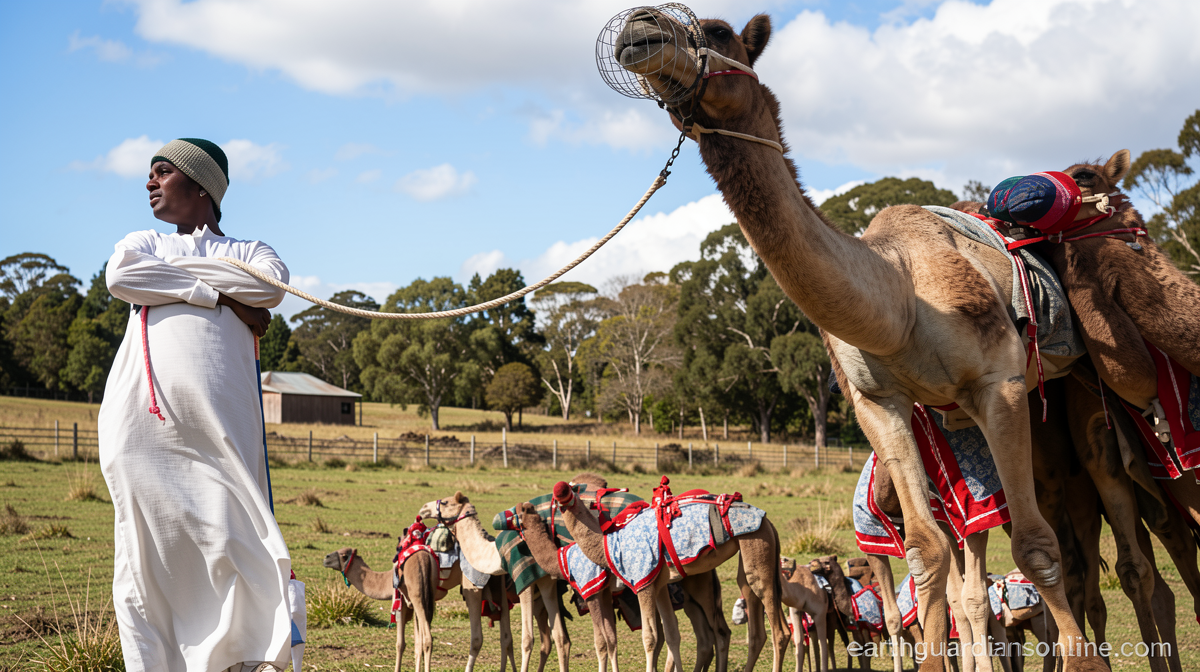
Earthguardiansonline.com – For generations, the rhythm of Gulf life has been shaped by the camel. The animal has carried riders across dunes, supplied milk and meat to families, provided leather and wool for daily use, and anchored an entire sporting culture built around racing and beauty contests. In the emirate of Abu Dhabi alone, roughly half a million camels roam the desert landscape surrounding cities like Al Ain, where a bustling open-air market has long served as the nerve center of regional camel commerce. Tourists still flock to photograph the humped beasts while traders haggle over prices under the sun.
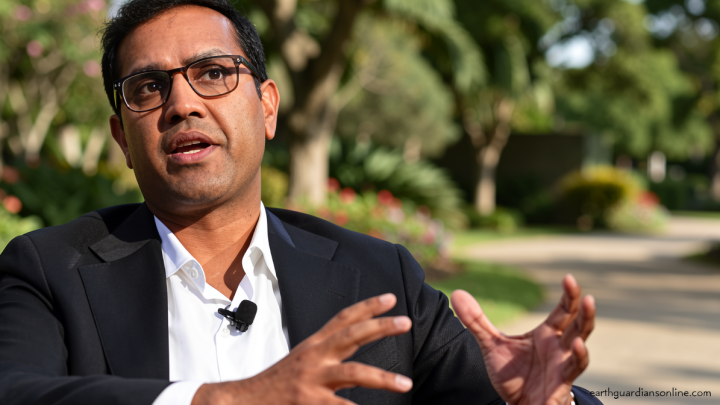
Yet that centuries-old ecosystem is undergoing a quiet but consequential transformation. In late 2024, a startup called Hign Al Khaleej — a name that translates loosely as “Gulf camels” — launched a digital platform designed to let buyers, sellers, and auctioneers transact without hauling animals across borders in pickup trucks. By 2025, the company reported more than 15,000 registered users across its mobile application and web interface, according to founder and chief executive Jaber Al Ahbabi.
Why the old system broke down
Al Ahbabi, a former government employee who now devotes his full attention to the venture, grew up in a family that owned and raced camels. He watched firsthand how cumbersome the traditional process had become. A seller wishing to offload an animal might load it into a truck and drive long distances to meet prospective buyers, with no assurance of a transaction. Buyers, meanwhile, could find themselves flying to Saudi Arabia or another Gulf state to inspect stock with little advance information, only to discover the animals were kept in remote desert locations far from urban centers.
“It’s a traditional activity deeply rooted in our history and culture, so the system to buy and sell camels is quite old school.”
The friction, he argued, had made trading prohibitively expensive and logistically complicated for ordinary participants. The digital marketplace was conceived as a remedy: a single point of contact where every element of a camel transaction could be handled.
How the platform operates
At the time of reporting, approximately 3,300 camels were listed for sale on the marketplace, spread across the UAE, Saudi Arabia, Qatar, Oman, and Kuwait. Each listing carries details on the animal’s age, breeding lineage, and medical history. Before completing a transaction, users must register their phone number and government-issued identification number, providing a baseline layer of vetting for both parties.
The platform also extends beyond simple animal sales. Users can purchase camel feed and veterinary medicines, and browse job postings connected to the industry, including positions as trainers and shepherds. Al Ahbabi describes the design philosophy plainly:
“Everything a camel buyer or seller might need in one place to keep it as safe and efficient as possible.”
Since launch, roughly 3,000 camels have changed hands through the app, a figure that signals meaningful penetration of a market that had previously operated almost entirely through face-to-face negotiation.
A market measured in millions
The financial stakes in Gulf camel commerce are far from trivial. Camels remain central to racing — a sport with enormous followings across the region — and to elaborate beauty pageants where prize pools rival those of major horse events. At this year’s Al Dhafra Camel Festival in Abu Dhabi, scheduled to run from late October through mid-January, a combined AED97 million (approximately $26.4 million) is allocated to beauty-competition prizes.
Auction results underscore the value at play. At a 2025 sale in Abu Dhabi, fifteen camels fetched a combined AED1.77 million (around $500,000). One animal, following a particularly fierce bidding contest, cleared the hammer at AED500,000 (roughly $136,000), local media noted. Elite specimens with distinguished racing pedigrees have traded for multiples of that figure, sometimes reaching into the millions.
That concentration of value, combined with the logistical headaches of the old system, created what Al Ahbabi sees as an opening ripe for disruption. The digital intermediary removes the need for physical transport before a sale is confirmed, compresses information asymmetry, and brings transaction records into a verifiable digital trail.
Growth, funding, and the road ahead
Despite the industry’s conservative character, Hign Al Khaleej has scaled quickly on organic demand. Al Ahbabi initially resisted outside capital, citing his lack of tech-sector experience and a preference to avoid debt. That posture has shifted as user numbers and transaction volume climbed.
In May, the company was named among seventeen Al Ain-based firms selected by the technology ecosystem Hub71 and the Khalifa Fund for Enterprise Development to enter a three-month startup development program. At the program’s July demo day, Hign Al Khaleej placed third, earning AED40,000 (approximately $10,000) in in-kind support.
The founder’s stated ambition is to make the platform the default destination for anyone involved with camels — whether purchasing an animal, sourcing supplies, hiring a handler, or simply researching breeding lines.
“I want anyone who has an interest in camels, and for anyone who wants a camel or anything for camels to go straight to Hign Al Khaleej.”
Whether a marketplace built on smartphones and identification numbers can fully absorb a trade that has run on handshakes, desert roads, and generational trust remains an open question. What is clear is that the economic gravity of Gulf camel culture — measured in hundreds of thousands of animals, nine-figure prize pools, and auction prices that would buy a modest apartment in most Western cities — has finally attracted the kind of digital infrastructure that other livestock sectors adopted decades ago. The question now is not whether the old ways will persist alongside the new, but how quickly the balance tips.
Related Reading
Frequently Asked Questions
What is Want to buy a camel Now there?
Want to buy a camel Now there is the main topic of this guide. The article explains the context, practical details, and next steps readers should understand.
Why does Want to buy a camel Now there matter?
Want to buy a camel Now there matters because readers are looking for a useful answer, not just a short summary. Good content should match search intent and help them decide what to do next.