
Gas is just the start: What else the Iran war could soon cost you
Fuel Prices Are Only the Beginning: Iran Conflict Could Impact More Than Gas
The escalation of the Iran conflict has triggered a notable surge in oil and gas prices, drawing widespread attention from financial markets and everyday consumers. However, this is merely the surface of a broader economic ripple effect that extends to other essentials. As oil prices climb, transportation costs for goods worldwide have already risen, and this trend is likely to persist if the conflict continues.
Transportation Costs and Fuel Surcharges
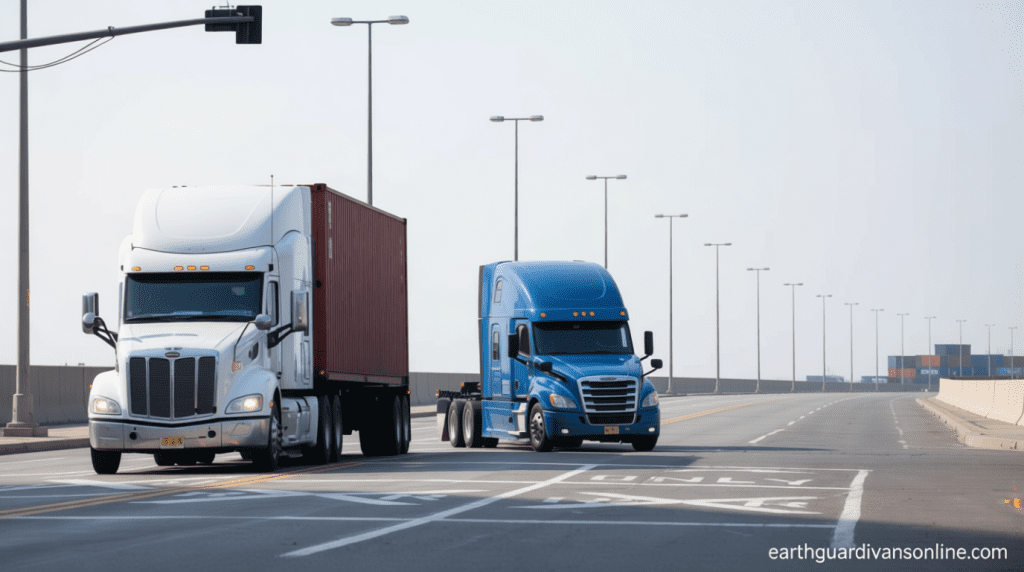
Higher oil prices directly influence shipping rates, as diesel is a primary driver of freight costs. For example, FedEx Ground now applies a 21.5% fuel surcharge for home deliveries when diesel prices reach $3.55 per gallon. As of March 9, diesel prices stood at $4.86 per gallon, marking a $1 increase from the previous week, according to the US Energy Information Administration. This means a 24.75% surcharge will take effect in the coming week.
“If these elevated oil prices remain for an extended period, you’ll witness a lasting cost shock,” explained Brian Bethune, an economics professor at Boston College.
Consumer Impact in Grocery Stores
Supermarkets may be the first retail sector to feel the strain of higher fuel costs, particularly in perishable categories like produce, meat, and dairy. Deborah Weinswig, CEO of Coresight Research, noted that goods with shorter shelf life are harder to stockpile, making them more susceptible to price hikes. In contrast, non-perishable items might see delayed price adjustments.
“The less shelf-stable a product, the greater the risk of price spikes,” said Weinswig.
Business Adaptation and Past Inflation Trends
Businesses have already adjusted to previous tariff hikes under Trump, leading to inventory stockpiling. This strategy may cushion some impacts from rising fuel costs, but it could also limit their ability to pass on expenses to consumers. A similar scenario unfolded during the 2022 Russia-Ukraine conflict, where oil prices spiked and intensified inflation. At that time, companies often reduced product sizes while maintaining prices, a tactic known as shrinkflation.
“There’s no free lunch. It’s going to show up somewhere,” Bethune told CNN.
